Only Two States Are Delivering Computer Science. Wichita Is Not Waiting.
A first-release Super Snoopy scan of K-12 computer science policy, opened against statutes where we could, and started in Wichita at Spaght Code to the Future and HACK.
Kansas does not require computer science to graduate. Wichita Public Schools is teaching it anyway.
Andrew Ng's answer to whether you should still learn to code is yes. AI makes more people able to write software. It does not make computer science optional.
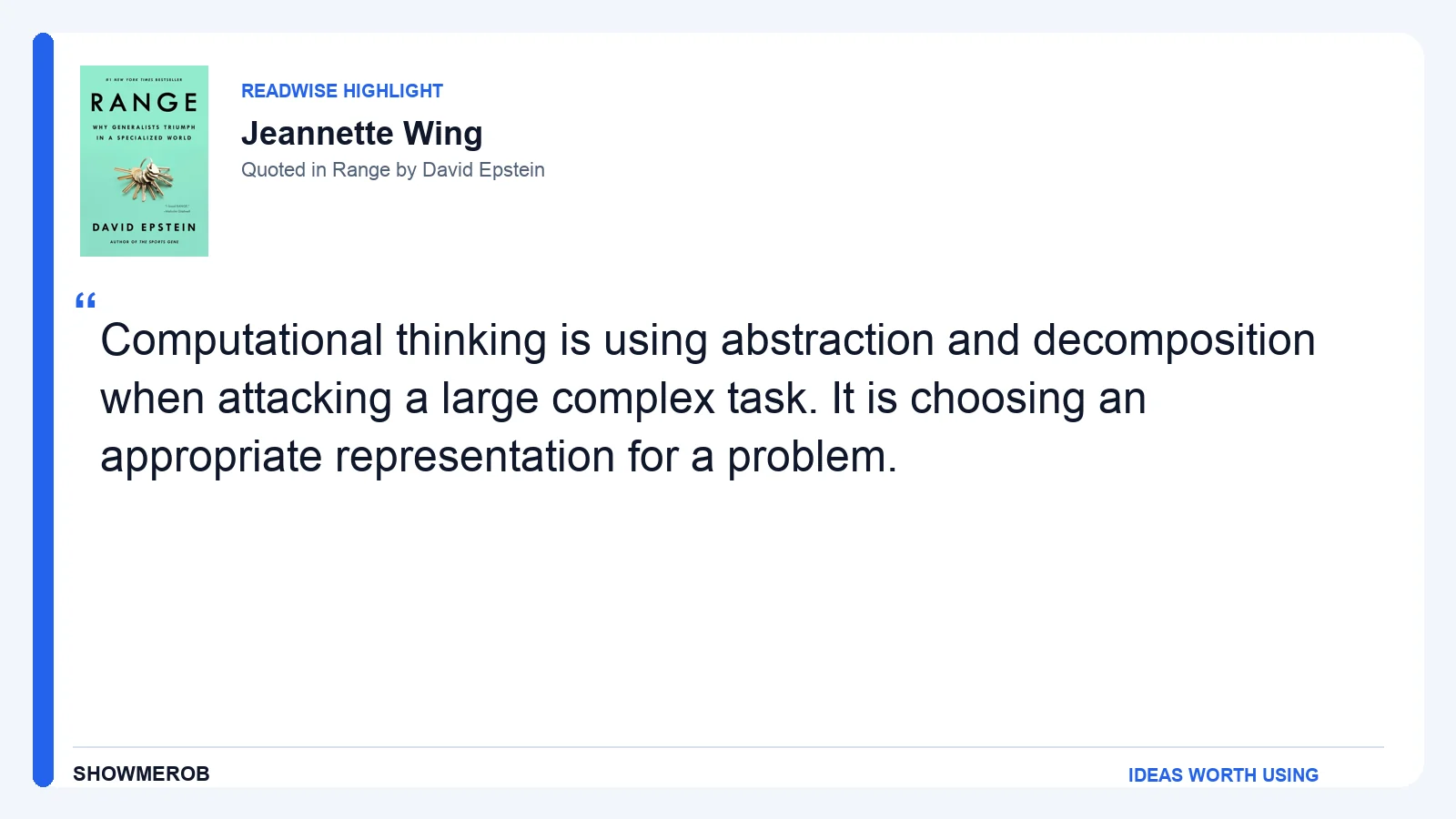
The 2026 labor market agrees in a split way. Software roles are on a rebound after a 2025 dip. The weak point is entry level, because AI ate the boilerplate that used to justify a first job.
At Samuel E. Spaght Science and Communications Magnet, every student codes. Spaght is the first elementary school in Kansas partnered with Code to the Future. The school treats computer science as a campus identity, not a Friday club. Students build projects. Families come to Showcase nights. The work sits next to monthly STEM days, interest-based electives in grades 4 and 5, and a student-led podcast.
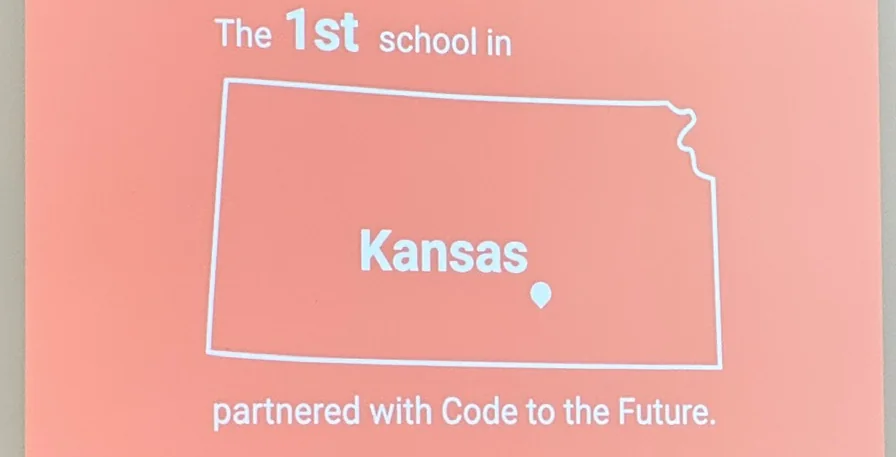
That is the part most state scorecards never see. A graduation requirement can exist on paper and still leave a senior class untouched. A magnet elementary can make computer science ordinary for every child in the building without waiting for Topeka to write a credit.
The other end of the Wichita pipeline is HACK: the Hub of Advanced Computing Knowledge. WSU Tech and Wichita Public Schools opened the IT FutureReady Center at WSU Tech South on October 16, 2025. The expansion is a shared high-school and college floor for cybersecurity, cloud, computer support, and digital marketing. High school students can earn college credit through Excel in CTE. WSU Tech said more than 380 students were enrolled across FutureReady Centers that semester.
Spaght is the early proof. HACK is the later door. The district still has to connect them so a fifth grader's Scratch project and a junior's cyber range are the same story, not two charming islands.
I ran a 50-state computer science scan against that local work. This page is a first-release study, not a finished legal dashboard. It is not wired into the combined 51-jurisdiction tile map on purpose.
What Wichita is actually doing
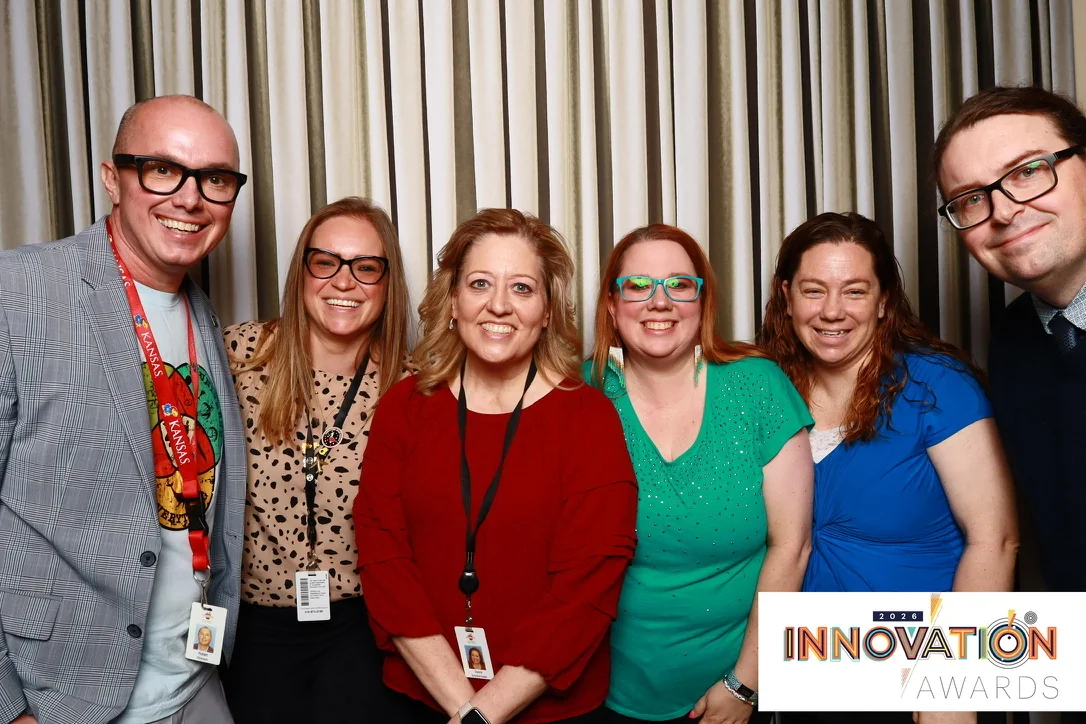
Spaght's public magnet page is unusually complete for an elementary CS program. It names universal coding, community Showcase events, 1:1 access, a full-time science teacher, and monthly cross-grade STEM days. Spaght won the Wichita Business Journal's 2026 Innovation Award. That is not a state policy win. It is a building that decided computer science would be visible.
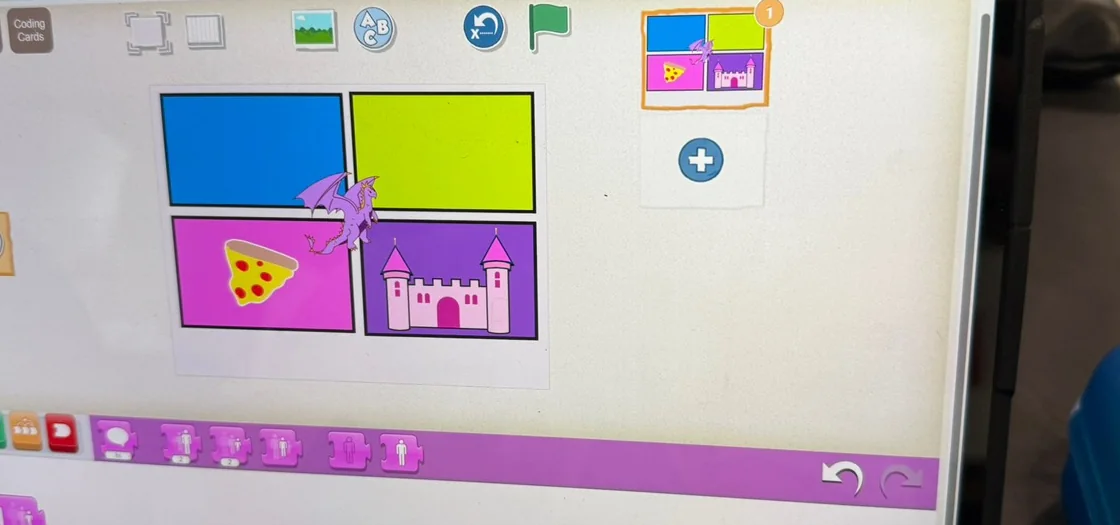
The screenshot is the point. Elementary computer science here is a student making a thing move. It is not a digital-literacy slide and it is not an AI appreciation unit wearing a CS badge.
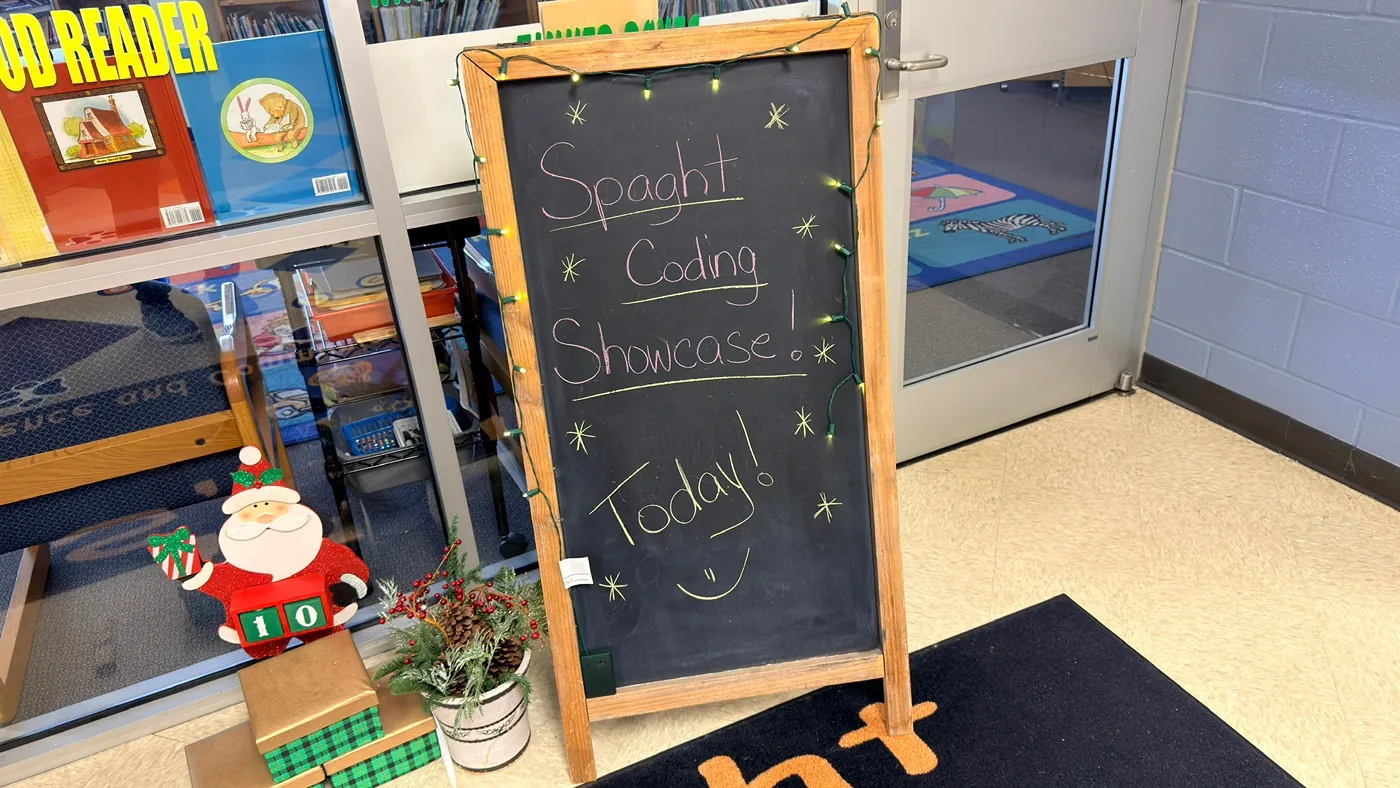
Twice a year, the Showcase of Learning is LEGO robotics. Students build a robot, write the code, and send it down a line they designed. That is the public proof, not a slide about computational thinking.
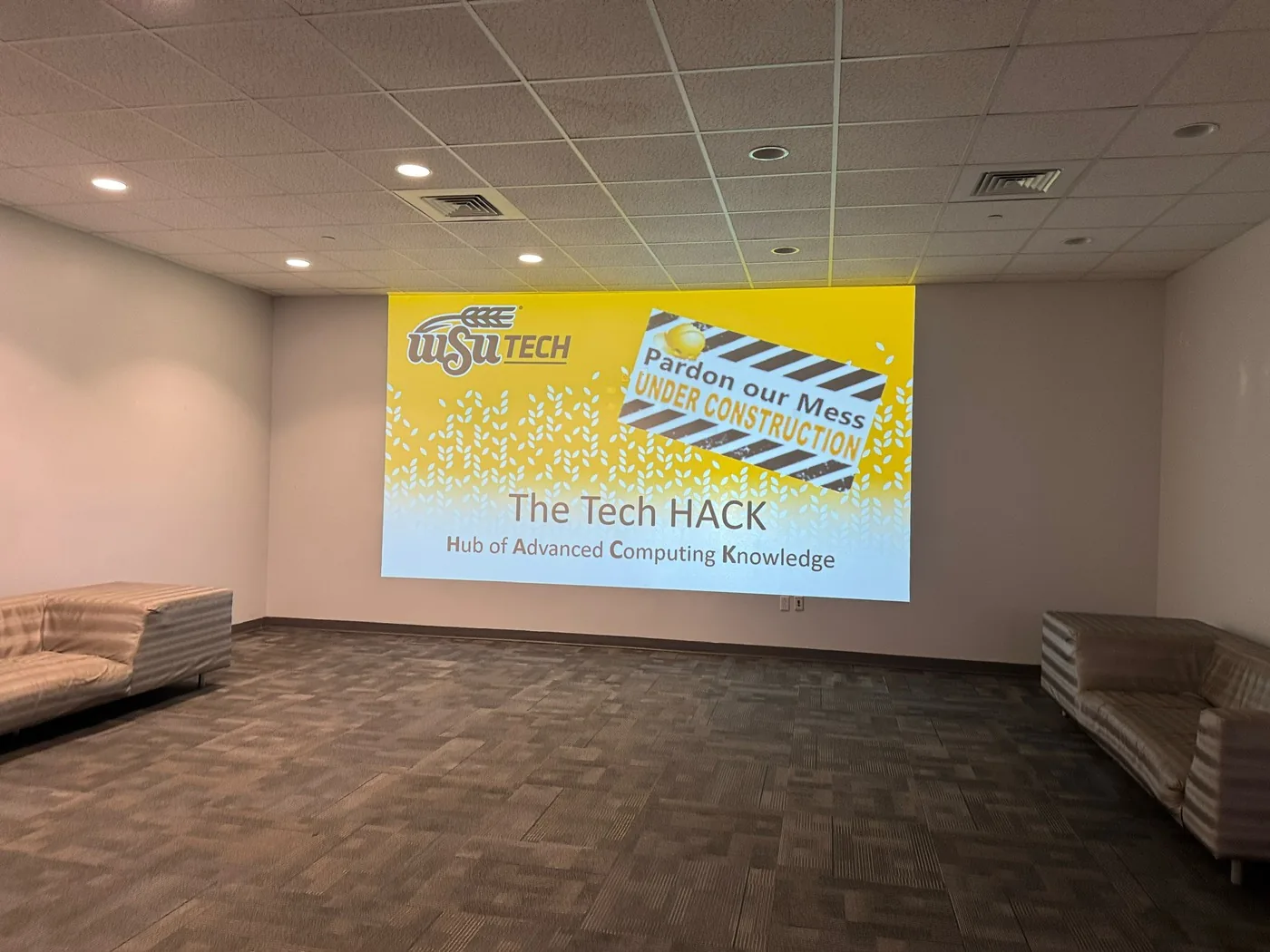
HACK is the other half. The October 2025 opening created a dedicated IT center: classrooms, a cyber range, a digital marketing lab, and a student-run agency. The WSU Tech slide in the room calls it the Hub of Advanced Computing Knowledge. That is a pathway asset. It is not a K-12 graduation requirement, and I am not going to pretend it is.
Kansas stays in the emerging column on this scan. No opened statute makes computer science a standalone high-school graduation requirement. Wichita is building the experience first.
The job market this is for
Software work is on a rebound. That is not 2021 coming back, and it is not a junior-hiring boom.
After a 2025 dip, CompTIA's read of BLS and Lightcast shows tech-occupation employment and new postings turning up through spring 2026. Active postings for software developers and engineers rose 32.3% from January to April. Systems and cyber rose with them. New tech postings increased for six straight months through June. That is the rebound.
It is a different rebound than the last cycle. The missing seat is the first one. Only 20% of April tech postings asked for zero to three years of experience. Employers wanted four to seven years, or they wanted AI skills hung on an existing title. CompTIA counted about 275,000 active US postings citing AI skills in January 2026. Dedicated AI job titles grew fast and still stayed a small slice. The work AI can draft is exactly the work that used to train a new graduate.
NACE still has computer science as a top-paid, high-demand major for the Class of 2026, with projected bachelor's starting pay of $81,535, up 6.9%. Pay is not the same as a pile of junior openings. Overall hiring for that class is largely flat versus 2025. The market is buying people who can direct the tools. It is not restocking the old first-rung coding job.
Wichita's answer has to match that market: early, universal CS so students can think in systems, not a senior-year elective that arrives after the junior door has already narrowed.
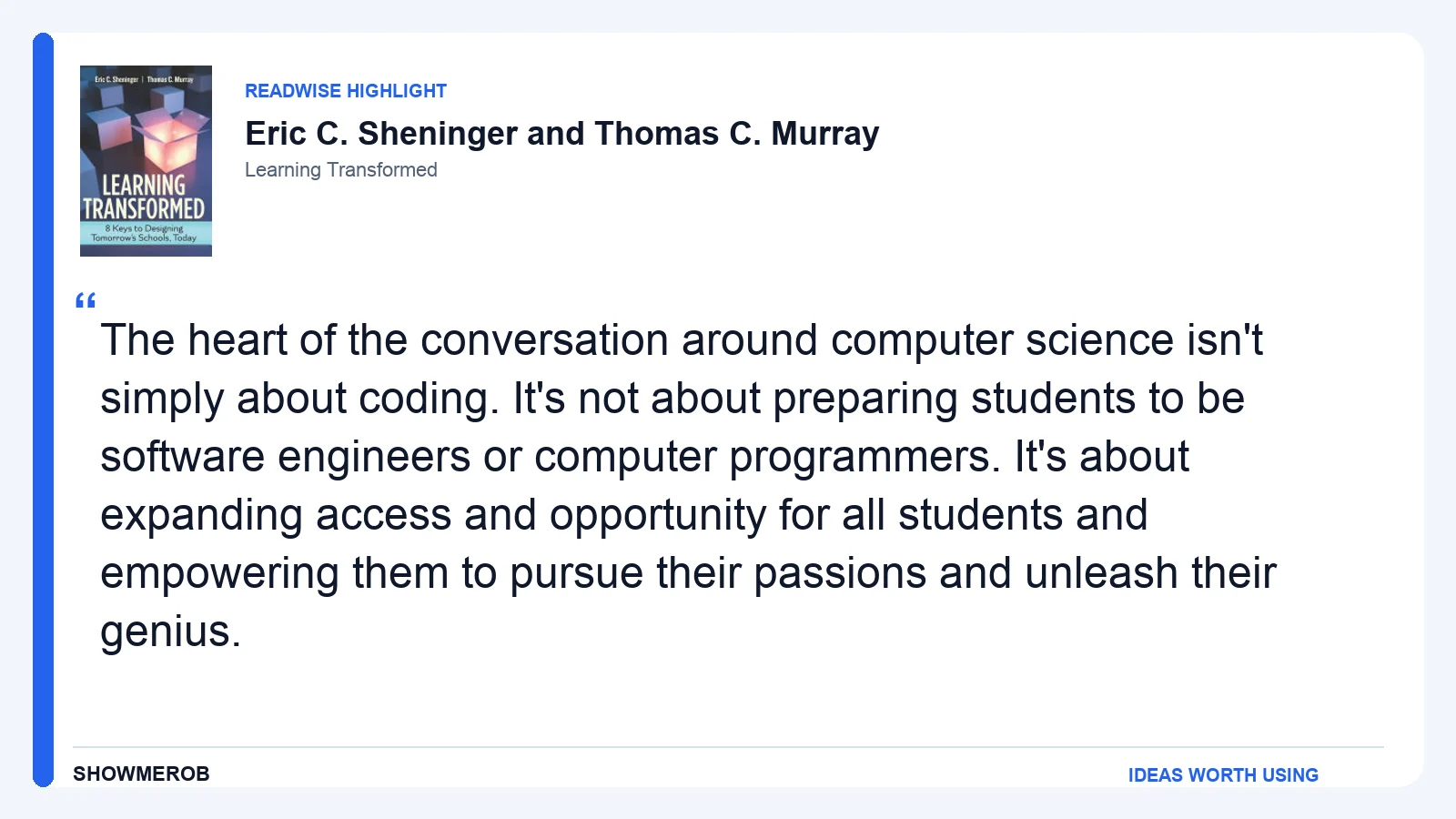
What this scan asked
For each state plus D.C.: is there a real student must-take computer science rule, or only a must-offer / can-count / digital-literacy substitute? Then, does anything in the classroom look like delivery?
The method was Super Snoopy. One track used the Perplexity Search API. The other opened Code.org's 2025 State of AI + CS Education profiles and, where we could, official statutes or SEA pages. Search snippets were leads. They were not verification.
The controlling national benchmark is the Code.org / CSforALL 2025 report, released December 10, 2025. National baseline from that report: about 60% of U.S. public high schools offer foundational CS. National participation is about 6.1%. Zero states require AI+CS for graduation.
The finding
Code.org's 2025 sliders mark 12 graduation-requirement states. Opened law cuts that list.
Independently enacted standalone requirements, opened in this pass:
- Indiana. IC 20-32-4-18. Beginning with the class of 2029, students must complete computer science as a separate subject. Usual course: NLPS 4565.
- North Carolina. SL 2023-132 / G.S. 115C-81.90. Passing grade in an approved CS course for ninth graders beginning 2024-25, full implementation 2026-27.
- West Virginia. HB 2411, enrolled April 11, 2025, effective July 10, 2025. One CS credit in grades 8-12.
Two Code.org-green states are not standalone student requirements once you open the text:
- Louisiana. Act 502 of 2022 lets specified CS courses satisfy the TOPS University foreign-language credit. That is a substitution, not a required CS course.
- Nevada. NRS 389.037 says high schools must make a CS course available. NRS 389.0186 lets certain CS courses count as math or science. Offer plus can-count is not must-take.
Alabama is a live conflict. Code.org marks a graduation requirement. The official Class of 2028 Option A diploma checklist does not list a required CS credit. Completing an ALSDE-approved CS course is one CCR indicator among many.
Arkansas still looks like the cleanest delivery stack on Code.org's 2025 profile: 10 of 10 policies, 100% high-school access, 29% of 2024 seniors took CS. I have not yet opened the Arkansas statute in this pass, so I will not dress that row up as independently verified law.
Idaho is the decorative case. Nine CS policies are green. The graduation-requirement slider is red. Code.org's own footnote says the 2025 Digital Literacy mandate does not count as a CS graduation requirement.
First-release tiers
These are working labels for this packet, not a ranking and not a dashboard layer.
| Tier | Count | What it means | Jurisdictions |
|---|---|---|---|
| Delivering | 2 | Requirement plus a classroom that actually shows up | Arkansas, Indiana |
| Committed | 8 | Code.org-green requirement, or independently enacted, with delivery still thin or unverified | Alabama, Nebraska, North Carolina, North Dakota, Rhode Island, South Carolina, Tennessee, West Virginia |
| Decorative | 1 | CS machinery plus a digital-literacy stand-in | Idaho |
| Emerging | 40 | No standalone CS graduation requirement opened here | Everyone else, including Kansas and D.C. |
Do not read "emerging" as "doing nothing." California, Colorado, Florida, Georgia, Illinois, Iowa, Kentucky, and Virginia have real policy machinery. They do not have a Code.org-recognized standalone CS graduation requirement. Under this rubric that keeps them out of committed.
The 2% problem is the real story
Louisiana's sliders are a perfect 10. Access is 39%. About 2.1% of 2024 seniors took CS.
West Virginia now has a law. Participation in the 2025 profile is 2.7%.
South Carolina shows 92% high-school access and 26% participation. Rhode Island shows 39% of the 2024 senior class taking CS.
Same policy family. Wildly different classrooms. That is why Wichita starts this page. A credit on a diploma PDF is not a student at a keyboard.
What this page is not
It is not a 51-jurisdiction legal dashboard. Only a handful of records are primary-source verified. Arkansas, Nebraska, North Dakota, Rhode Island, South Carolina, and Tennessee are still Code.org-green until their statutes are opened. Perplexity emptied after one useful query, so 2026 bills in Florida, Georgia, Maryland, Utah, Virginia, and Washington are not cleared. Missing evidence is missing. It is not no.
There is no composite score. Access is a school-offer rate, not a student census. I did not add this study to the combined research tile map.
Sources
- Spaght magnet theme
- WSU Tech: HACK and IT FutureReady Center opening
- Code.org State of AI + CS Education
- Code.org / CSforALL 2025 release
- North Carolina CS graduation requirement
- North Carolina SL 2023-132
- West Virginia HB 2411 enrolled
- Indiana computer science
- Alabama Class of 2028 Option A
- Nevada NRS 389
- CompTIA, May 8, 2026: postings hit a three-year high
- CompTIA, July 2, 2026: occupation employment and postings
- CompTIA State of the Tech Workforce 2026
- NACE Winter 2026 Salary Survey
- Fortune on Class of 2026 CS salaries and flat hiring
- Jeannette Wing, quoted in Range, Readwise highlight
- Sheninger and Murray, Learning Transformed, Readwise highlight