The Two Nos That Built My Career
A cold first trip to New York, a $100 million student data project that failed, two job offers I turned down, and why hope is something you learn.
The first time I went to New York was the start of a lot of firsts. It was January 2013, and it was cold. Hurricane Sandy had come through less than three months earlier, and the event I was there for had been delayed by the storm.
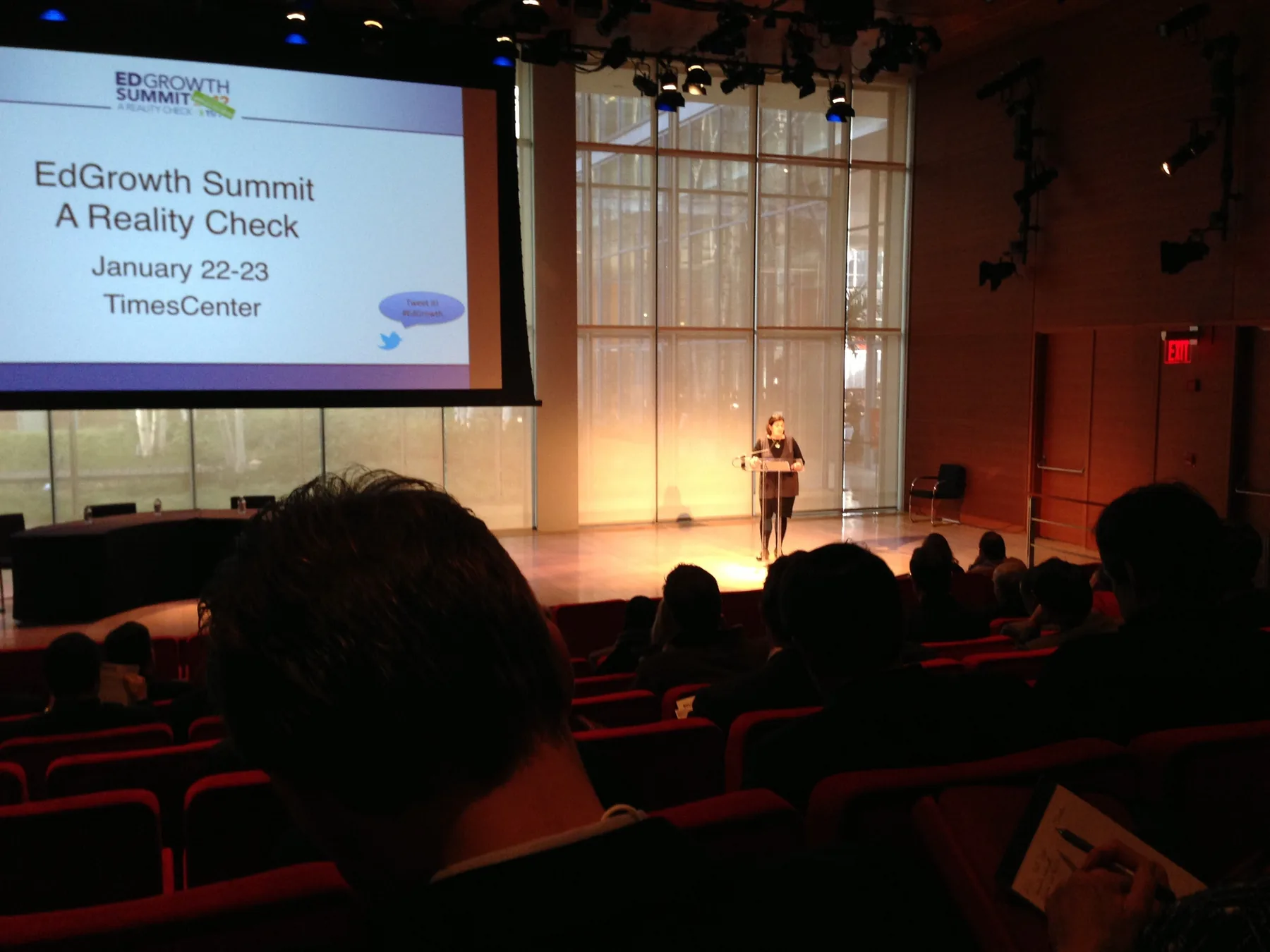
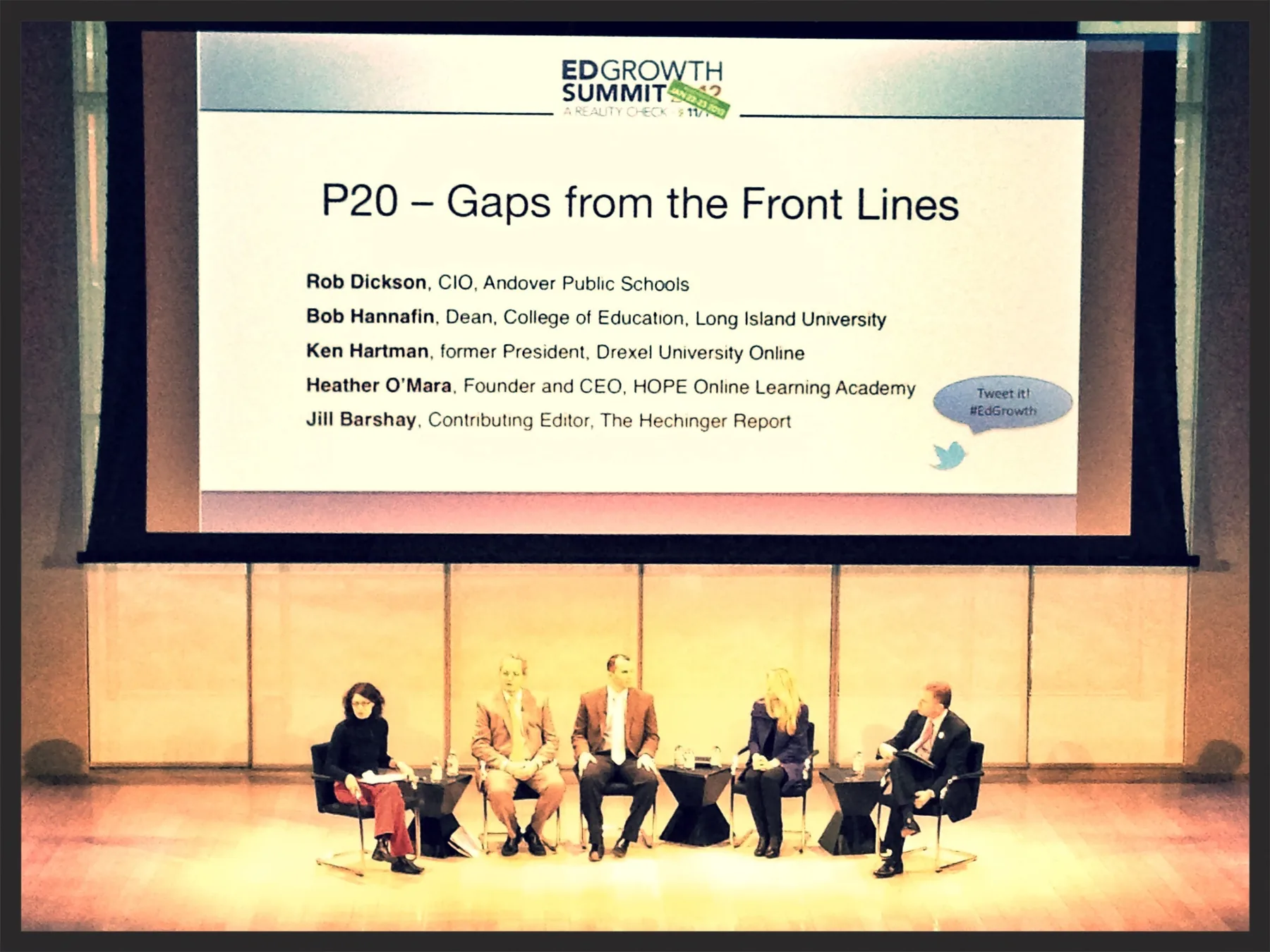
I was there because of Eliot Levinson, one of my mentors. Eliot founded the BLEgroup in 1994, and he got me a speaking slot at the EdGrowth Summit, held at the TimesCenter inside The New York Times building.
I was CIO of Andover Public Schools in Kansas, and I went on stage to talk about the future of education. At that time, the field was looking at the Netflix model, a subscription model for edtech.
Another first: my first hockey game. On January 23, I was at Madison Square Garden when the Rangers beat the Bruins in overtime for their first win of the season.


1 / 3
After I spoke, the Gates Foundation approached me to work with them on their inBloom project. That conversation led to the first of two job offers I turned down.
I've told that story plenty of times, and it always sounds tidy. So I ran it through Annie Duke's Thinking in Bets. It got less tidy and more useful.
Early in the book, Duke asks you to do something. "Take a moment to imagine your best decision in the last year. Now take a moment to imagine your worst decision."
Then she bets against you: "I'm willing to bet that your best decision preceded a good result and the worst decision preceded a bad result."
Try it. She'll probably win.
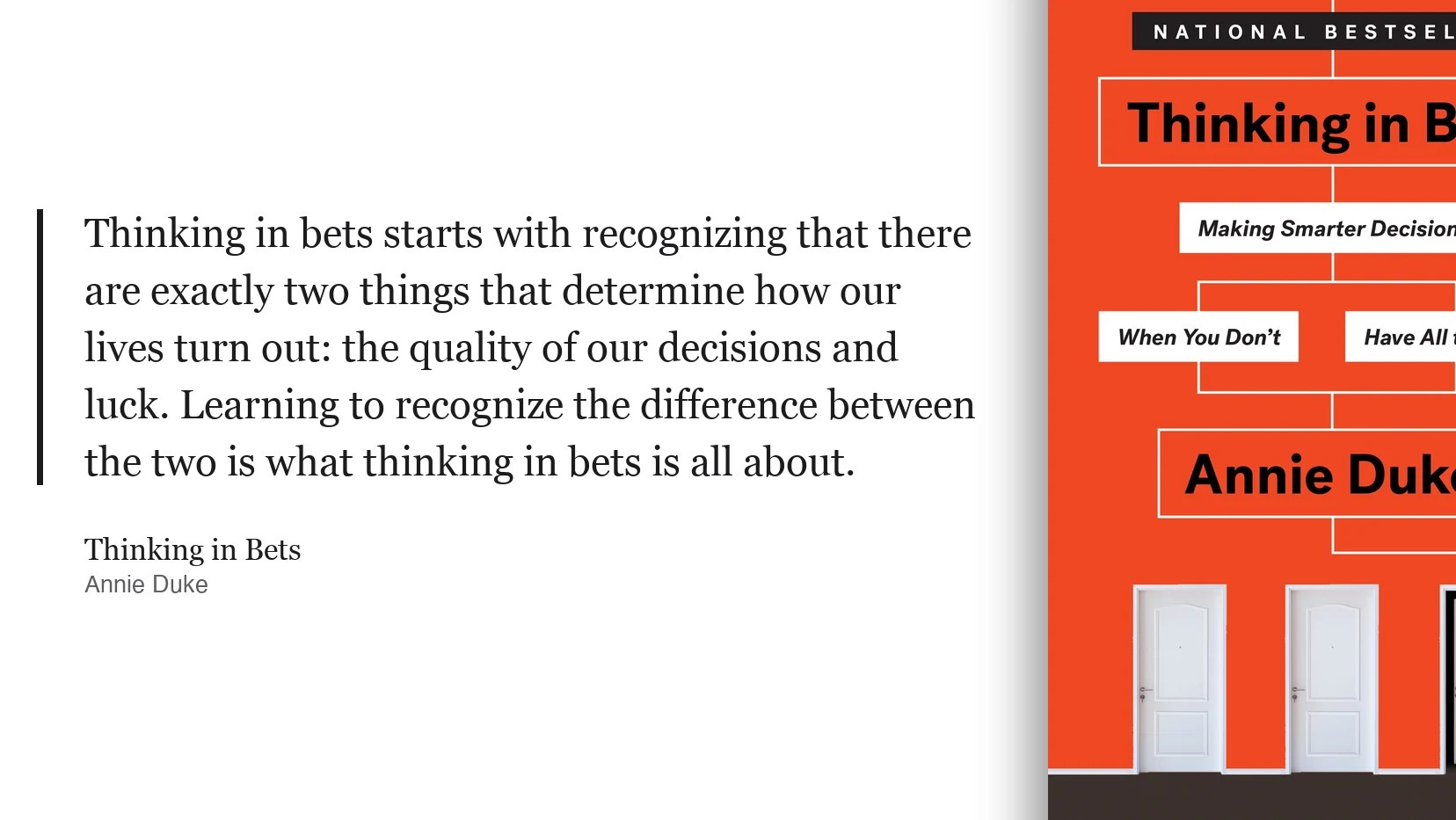
Poker players call this habit "resulting," which Duke describes as "our tendency to equate the quality of a decision with the quality of its outcome." She starts from one premise: "Thinking in bets starts with recognizing that there are exactly two things that determine how our lives turn out: the quality of our decisions and luck."
Andover: the reps
I was CIO of Andover Public Schools in Kansas, in charge of both technology and instructional technology. Andover is a medium-sized district, and it gave me a lot of exposure and a lot of experience. It also gave me Mark Evans, my superintendent and my other mentor.
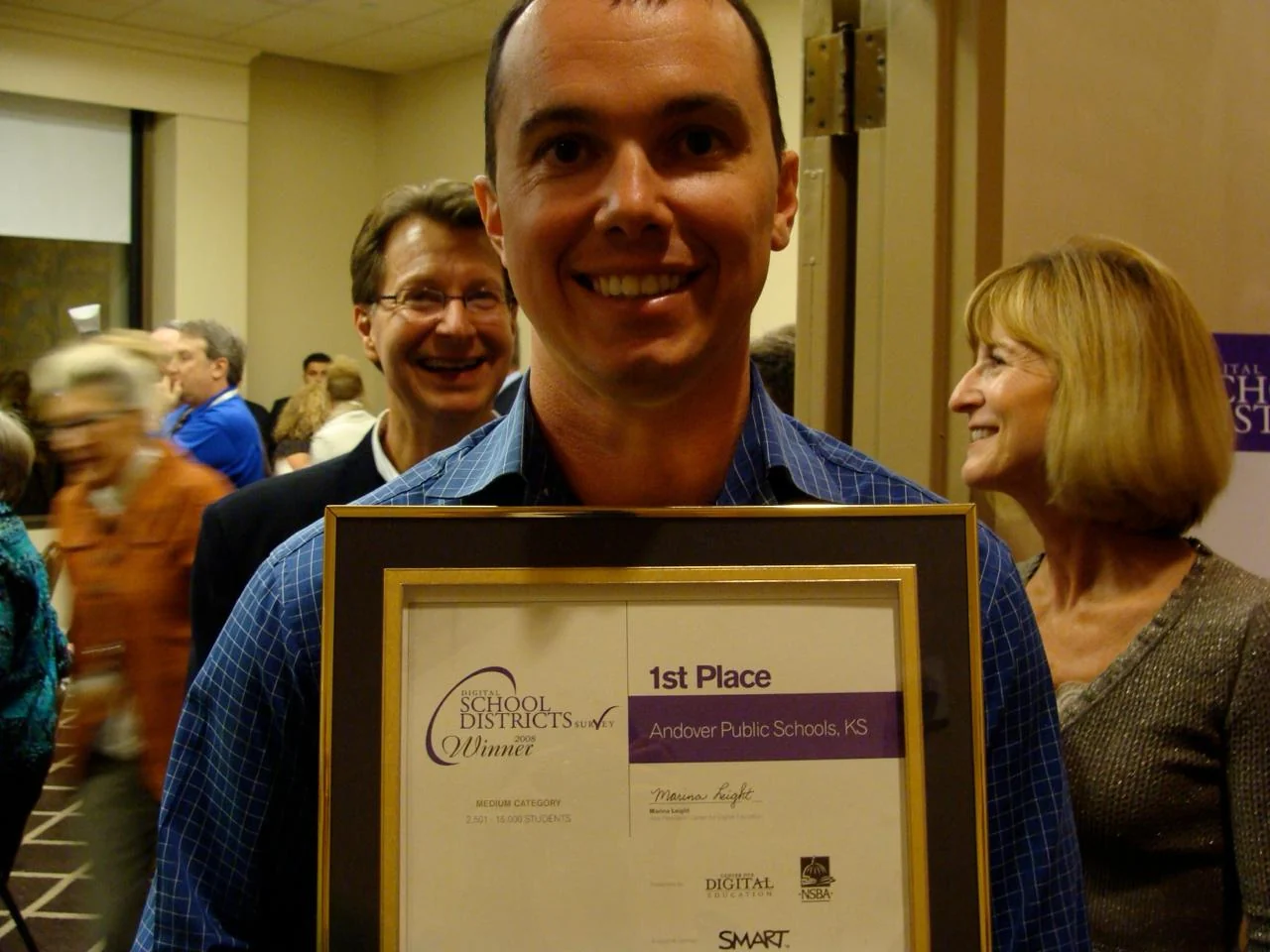
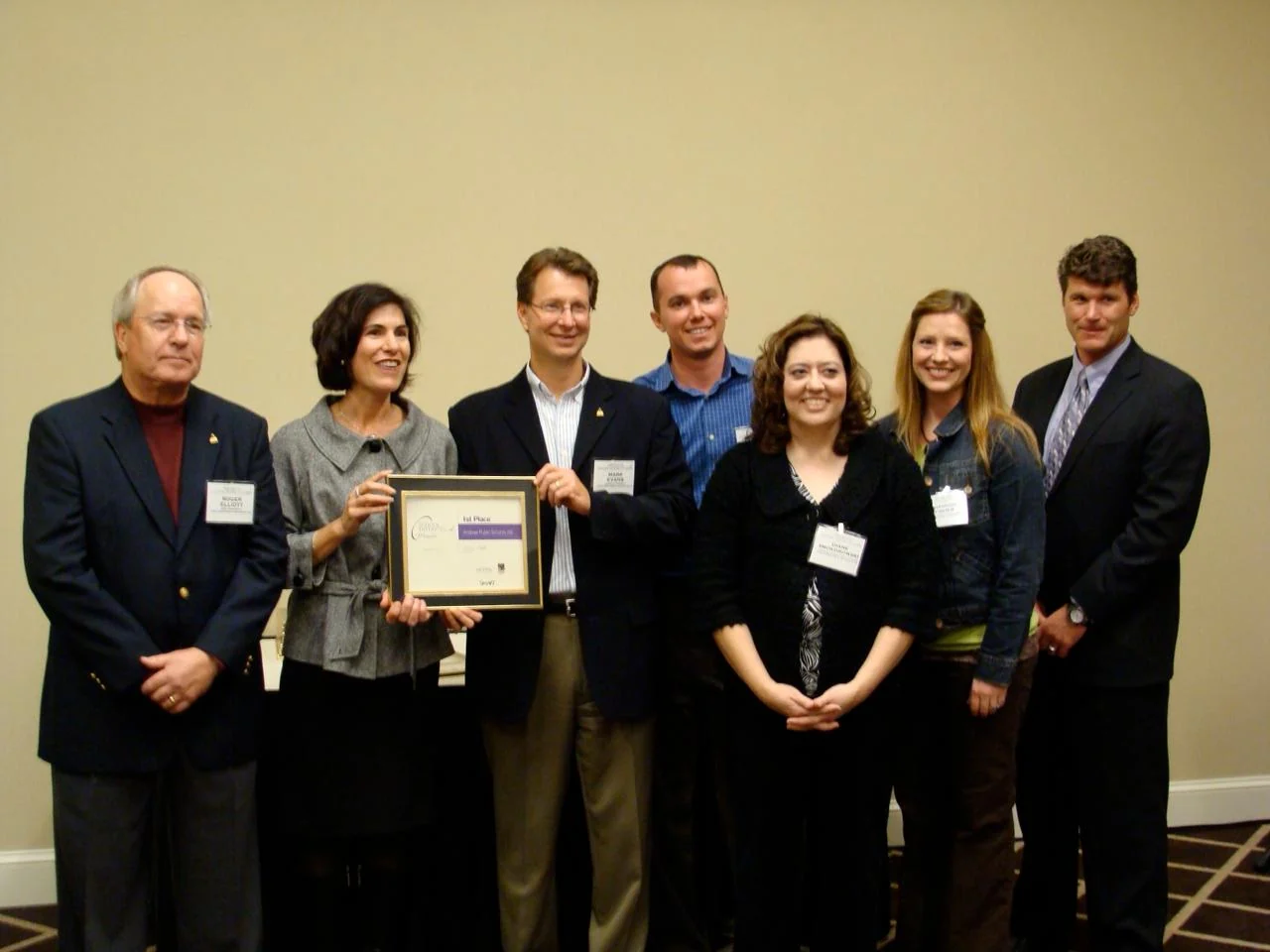
Mark and I had quick success together. In 2008, Andover took first place in the medium-district category of the Digital School Districts Survey from the Center for Digital Education and the National School Boards Association. It was our first Digital School Districts award. We went on to win it four more times.
1 / 2
Duke is blunt about what experience alone gets you: "There is a big difference between getting experience and becoming an expert. That difference lies in the ability to identify when the outcomes of our decisions have something to teach us and what that lesson might be."
In my last few years in Andover, I felt like I had delivered everything I could there, at least for that moment. I was looking for something different. Something bigger.
Andover gave me the experience. inBloom taught me how to read outcomes.
inBloom: a big idea, poorly executed
I worked as a contractor for the Gates Foundation on the inBloom project in both Colorado and California. Part of that contract work was a technology readiness audit of a large pilot district.
inBloom launched with $100 million from the Gates Foundation and Carnegie Corporation of New York. It came apart fast. Pilot states and districts pulled out one after another, and on April 21, 2014, inBloom announced it would wind down.
The headlines were about privacy: consent, trust, and parents who didn't know what was being collected about their kids. That story is true. What I wrote down in 2013 was about plumbing.
The district I audited had real strengths. Leadership was open to change, and the district had single sign-on and a current technology plan. The gap was data. My notes say it plainly: "No current standardization for data sets or data structure," and "No standard data set to 'key' off of for integration (ie student id or id number)."
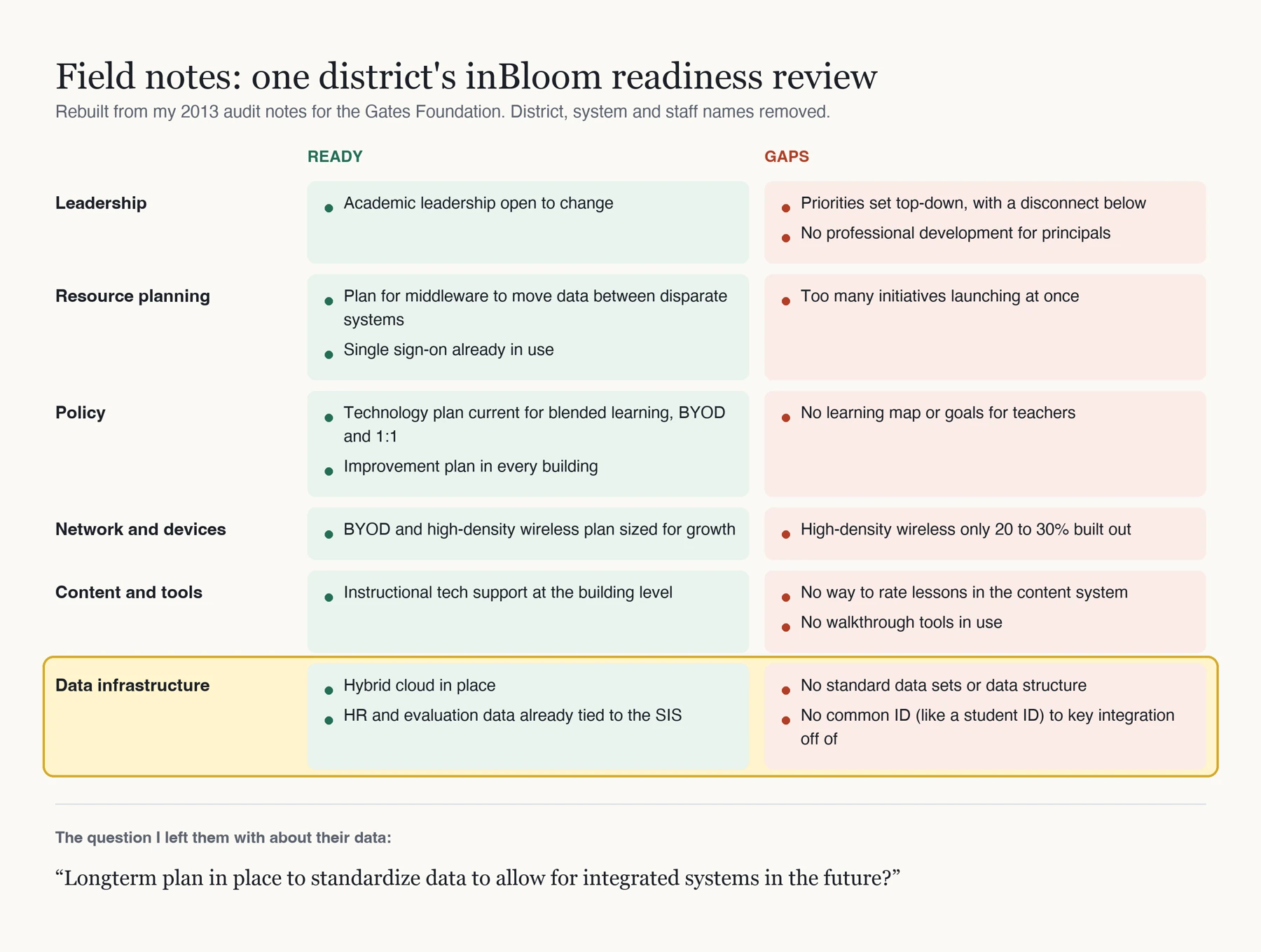
I can't claim missing data standards killed inBloom. I saw one district up close, and the public record points to trust. The readiness gap was real, though, and Duke has a line for it: "All the talent in the world won't matter if a player can't execute."
The CEO's shutdown letter said "the progress of this important innovation has been stalled because of generalized public concerns about data misuse, even though inBloom has world-class security and privacy protections."
Duke has a sentence for that, too: "we take credit for the good stuff and blame the bad stuff on luck so it won't be our fault. The result is that we don't learn from experience well."
The letter files public concern under bad luck. I don't get to do that with the lesson. If you're building something that holds student data, execution has two parts: earning the public's trust and getting the data right.
iPD: the teacher side of the bet
As a contractor, I also worked with the Gates Foundation on iPD, its Innovative Professional Development Challenge. In 2013, Gates "challenged districts to reimagine professional development." MDRC says the challenge "responds to a growing frustration with the current state of teacher professional development in many districts."
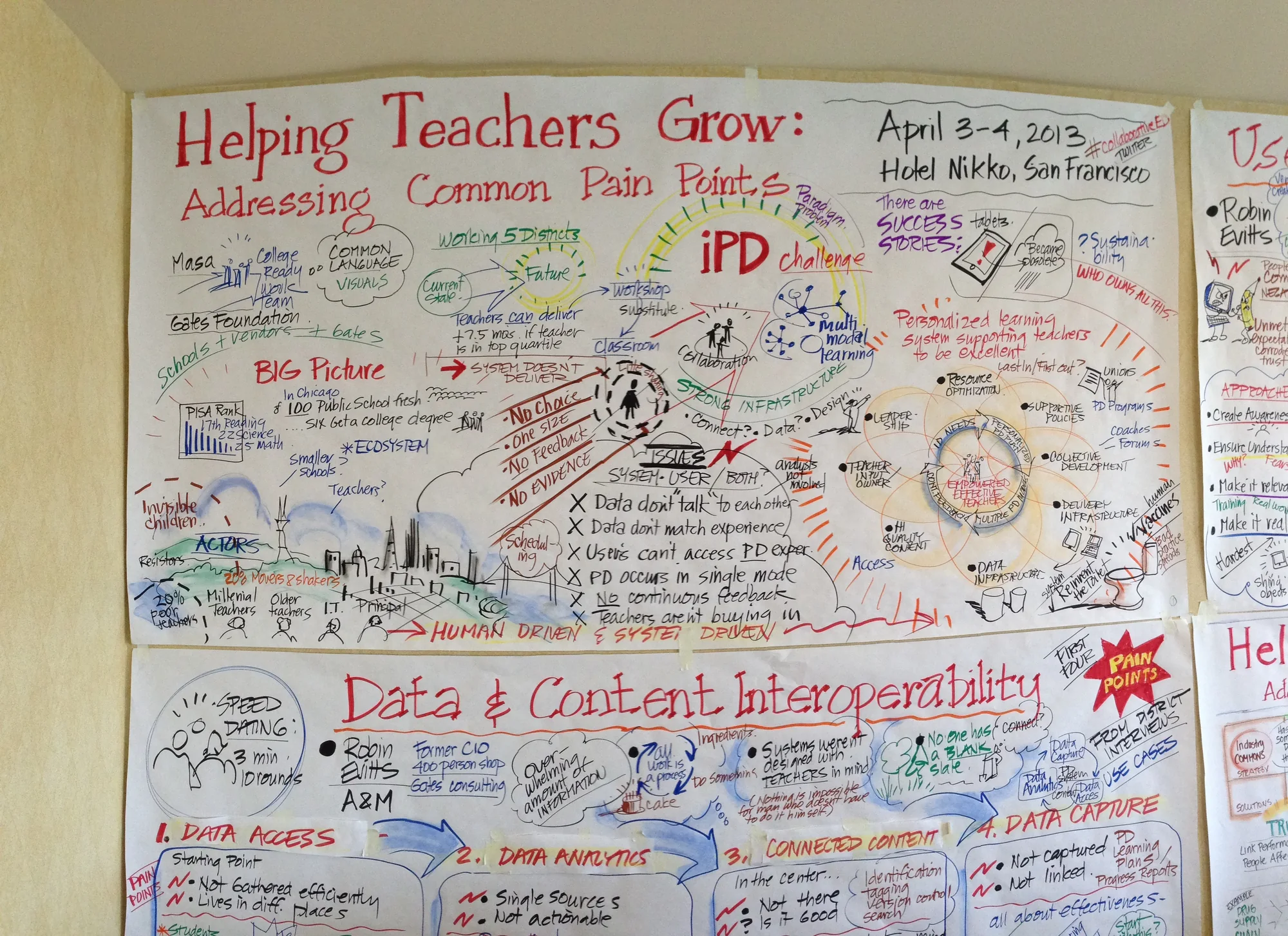
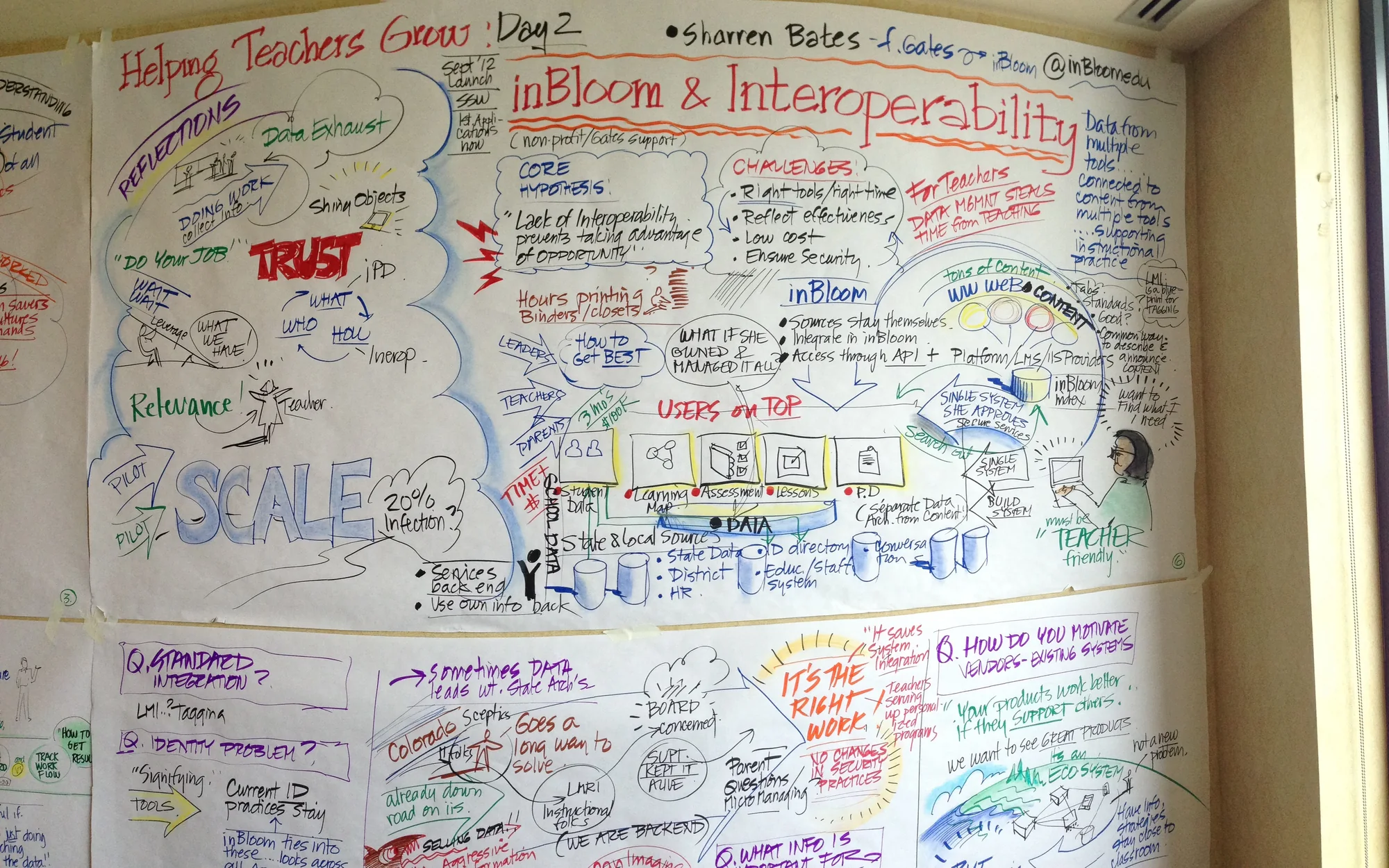
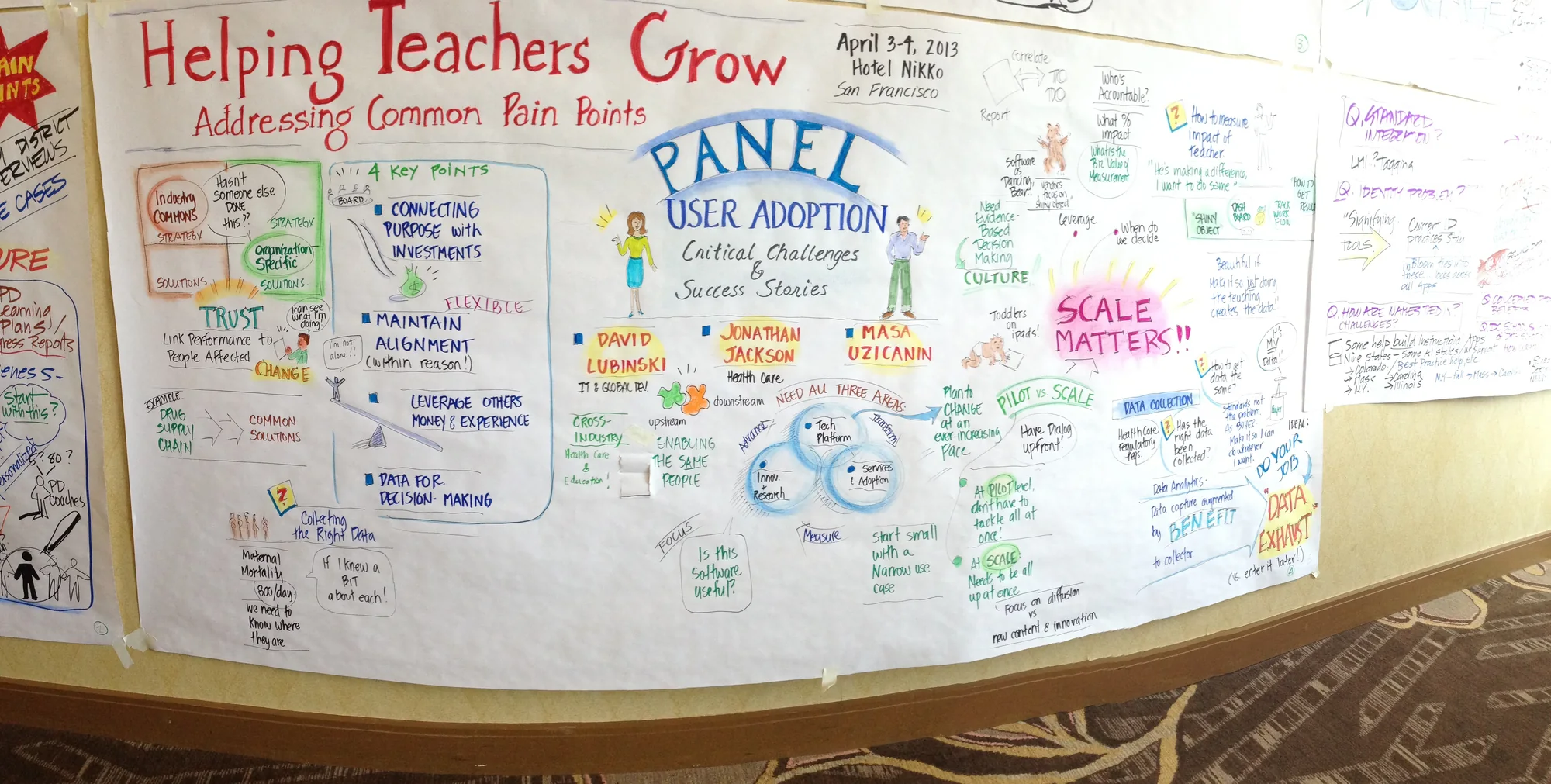
I was in the room in San Francisco for "Helping Teachers Grow: Addressing Common Pain Points," a Gates convening at the Hotel Nikko on April 3 and 4, 2013. Live graphic-recording boards covered the walls. The pain points went up in four lines: "No choice," "One size," "No feedback," "No evidence."
1 / 3
iPD was the teacher side of the same bet. Personalized learning for teachers only works if the data talks, and the Day 1 board said it didn't: "Data don't 'talk' to each other." The Day 2 board, titled "inBloom & Interoperability," put the plumbing problem from my audit in its core hypothesis: "Lack of Interoperability prevents taking advantage of opportunity."
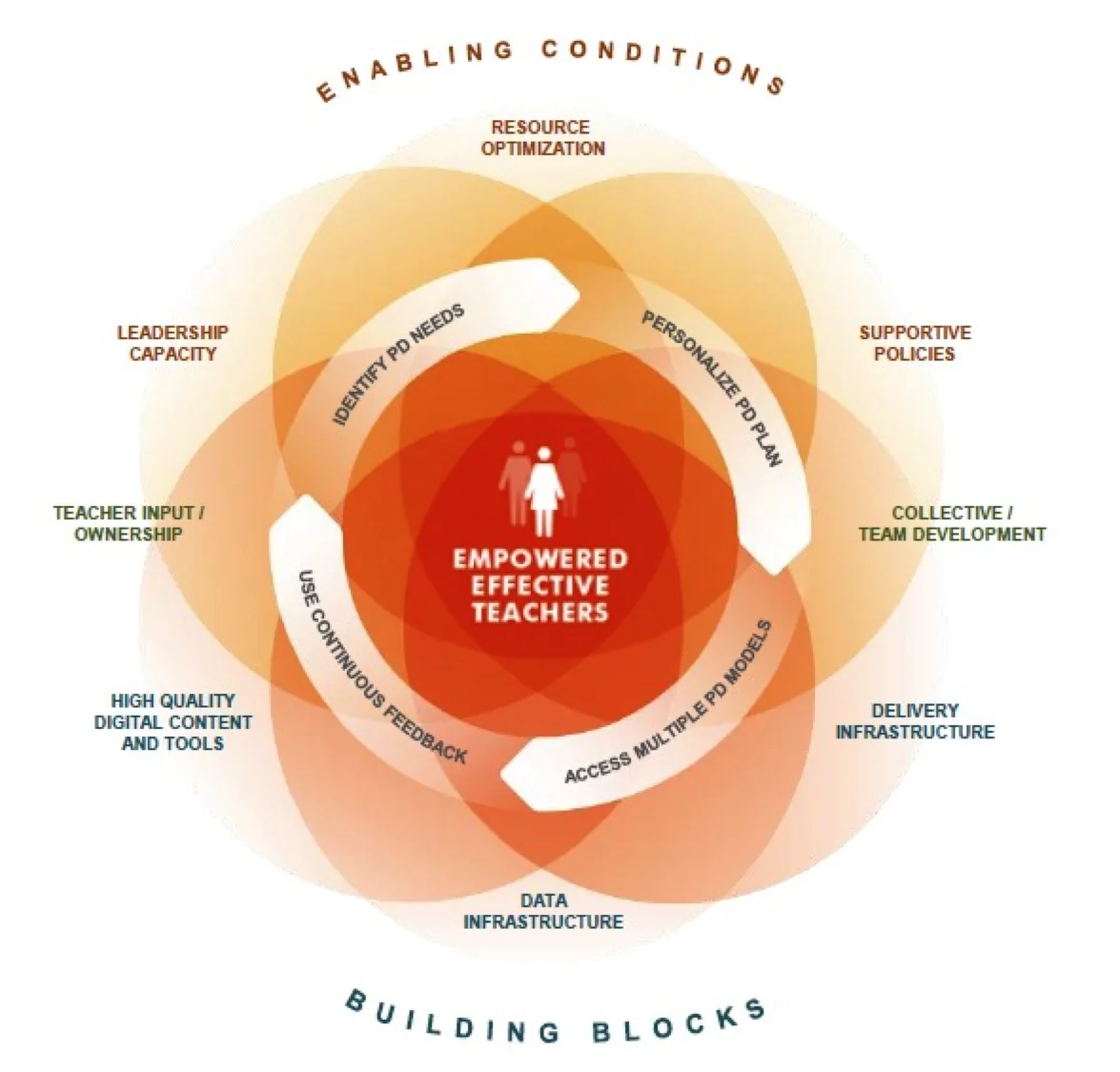
The other boards were blunt: "Data mgmt steals time from teaching." "Systems weren't designed with teachers in mind." "Teachers aren't buying in." It was the same two-part test as inBloom. Teachers had to trust it, and the data had to talk.
The first no
The Gates Foundation offered me a permanent position. Taking it meant moving, and Amanda and I weren't ready.
On paper, I turned something down. Duke would say I placed a bet: "Not placing a bet on something is, itself, a bet." Every choice is a wager against "all the future versions of ourselves that we are not choosing." Saying no to Gates was a bet on staying close to home.
The second no
Before Omaha, I was a finalist at Manatee County Public Schools in Florida. I turned it down. Amanda and I are both from Missouri, and we didn't want to be that far from our family.
Two nos, for the same reason. That's a pattern.
The honest grade
The flattering version of this story writes itself. I said no to Gates, inBloom collapsed, and I dodged a bullet. Smart guy.
Duke won't let me keep that version. The job I turned down connected to Gates grant work on how data moved from a district or a state into inBloom and back. I didn't know inBloom would wind down when I said no. Part of my gratitude today is luck, and I should call it luck.
Another line I highlighted: "If we aren't wrong just because things didn't work out, then we aren't right just because things turned out well."
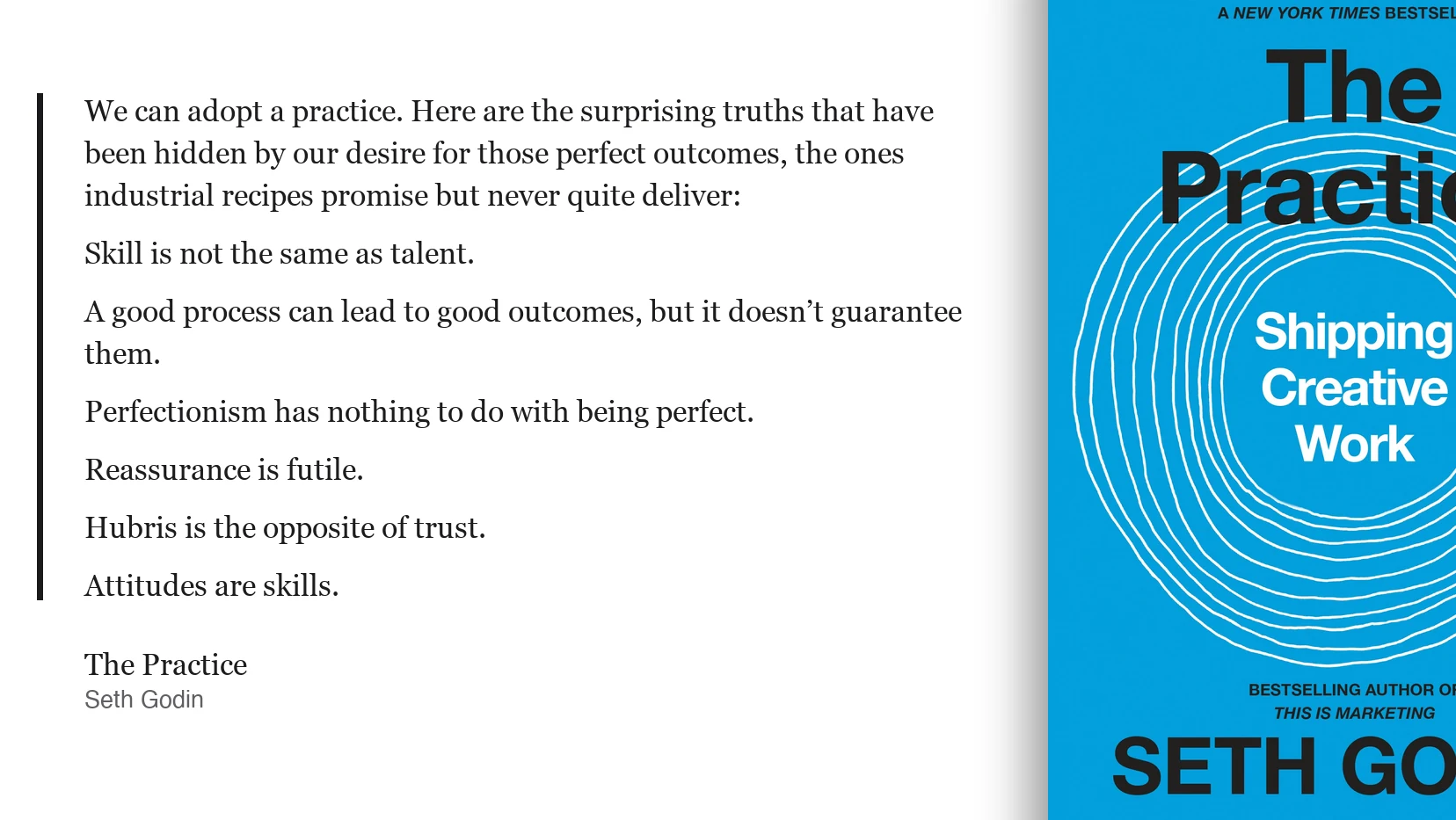
Seth Godin makes the same point in The Practice, in a list of truths I highlighted: "A good process can lead to good outcomes, but it doesn't guarantee them."
That no was a good decision because of the reasons behind it: family, timing, and an honest read of what we were ready for. If inBloom had thrived, it still would have been a good decision. The outcome doesn't get to grade it, in either direction.
Omaha: a bet on a person
Mark Evans had become superintendent of Omaha Public Schools. In 2014 I followed him there and served as Executive Director of Information Management Services (IMS) until 2019.
Omaha was a much larger district, and it taught me what I was missing: how to lead people.
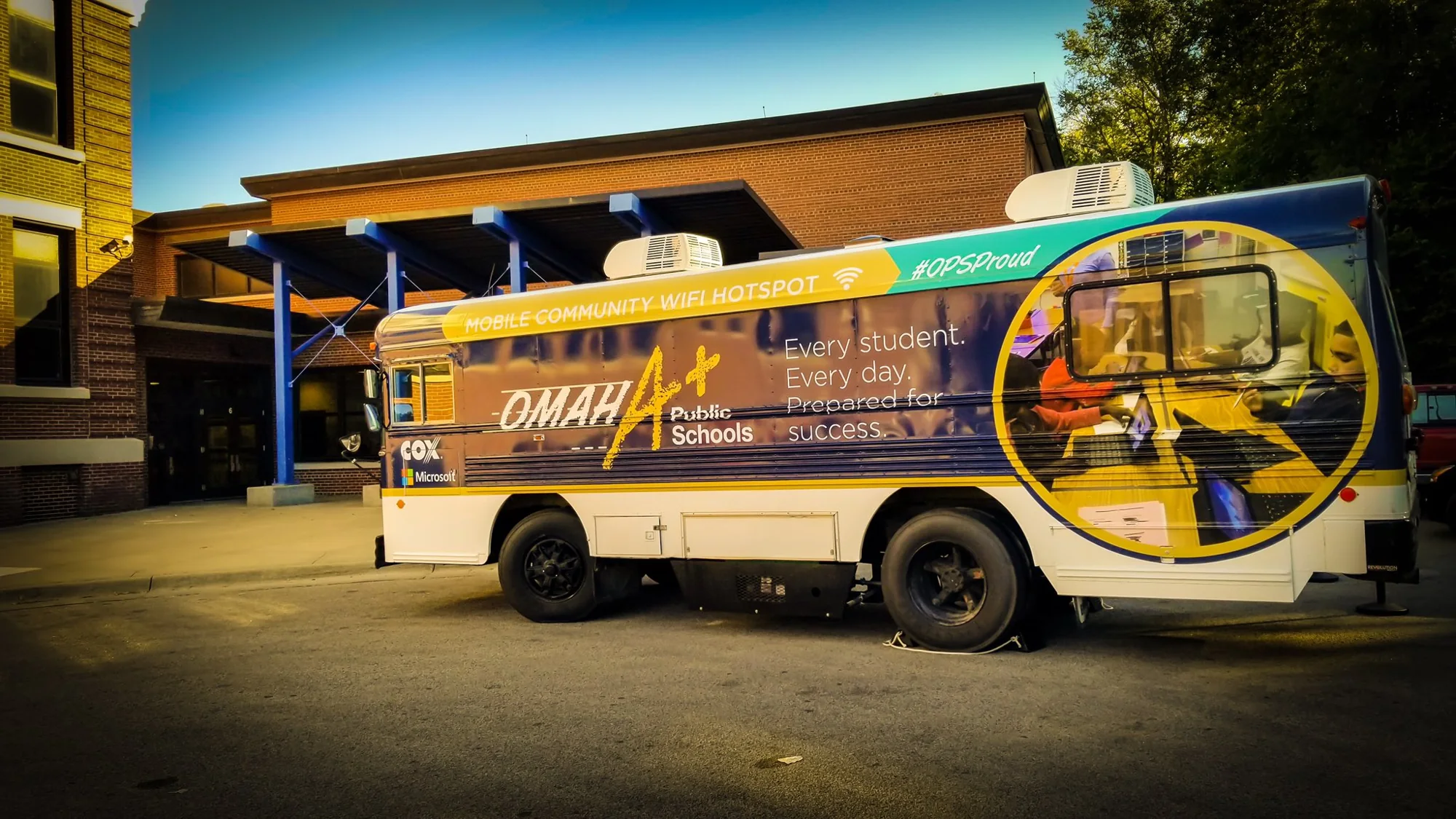
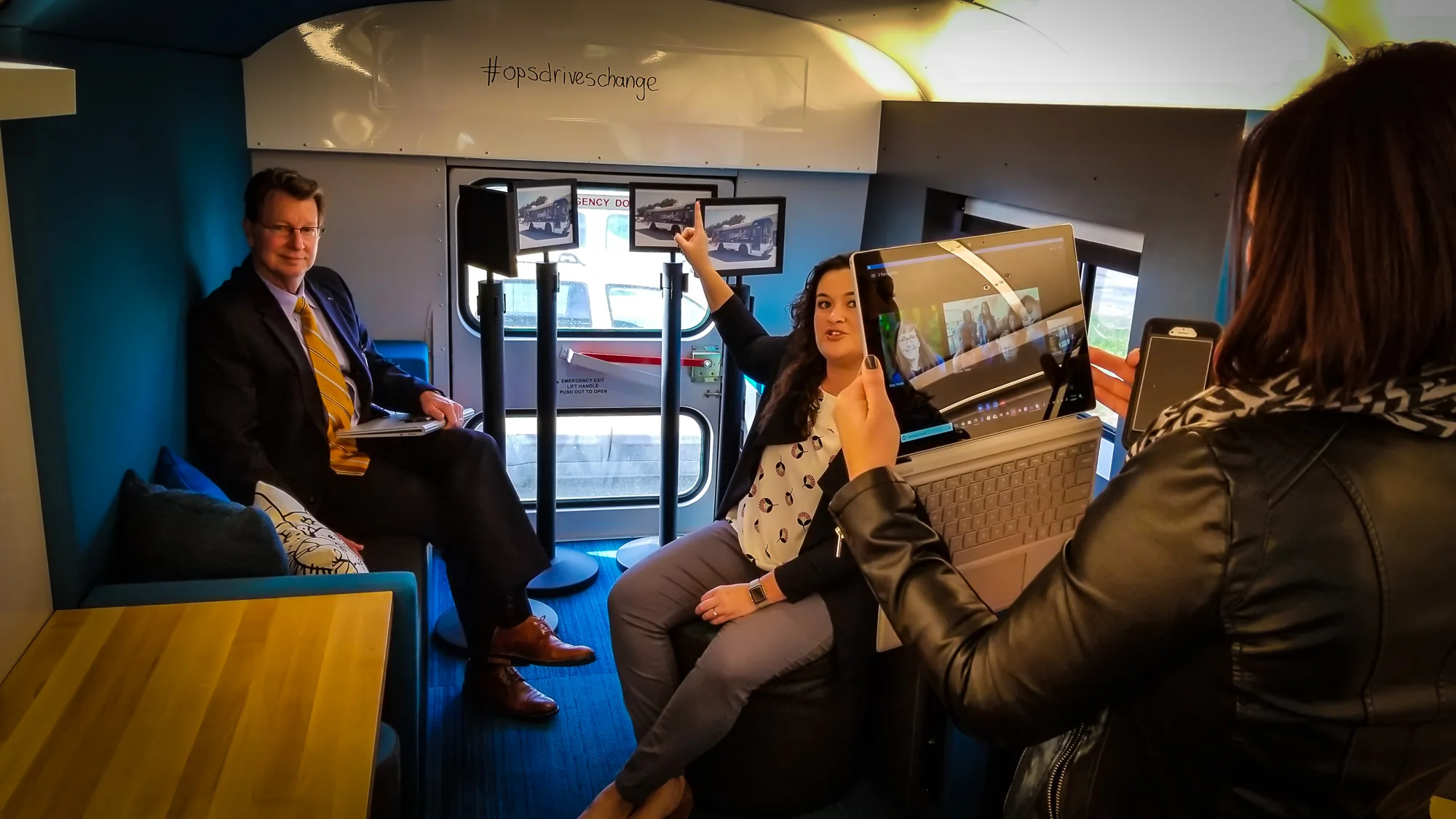
Mark and I got to build again, and in Omaha I placed another bet: a school bus turned into a mobile community Wi-Fi hotspot for North Omaha. Think of a bookmobile, but for broadband. We built it in partnership with Cox Communications, Microsoft, and Common Sense Media. Cox won a Nebraska Universal Service Fund grant of up to $114,218 from the Nebraska Public Service Commission to outfit the bus, and I testified in support of it in 2016.
The bus served families from two high-poverty elementary schools, Wakonda and Kennedy, parking after school and on weekends at churches and community centers. Kids got a connected place to do homework. Common Sense Media taught digital literacy to students and their parents. As I put it then: "We're trying to bridge that school-to-home gap."
The bus probably didn't last past my time at Omaha Public Schools. I'd still make the bet. It came down to one call: go to families instead of waiting for families to come to us. Duke would tell me to grade that call on its reasons, not on how long the bus ran.
1 / 2
Omaha was a bet on a person. Duke writes that "other people can spot our errors better than we can," and that "A good decision group is a grown-up version of the buddy system." Eliot and Mark were my first ones. Eliot opened the door in New York. Mark brought me to Omaha. Today my coach, Matt Teeter, plays the same role: someone outside my own head who asks why I believe what I believe.
Hope is learned
Duke gave me a way to grade the bets. Brené Brown gave me a better word for making them.
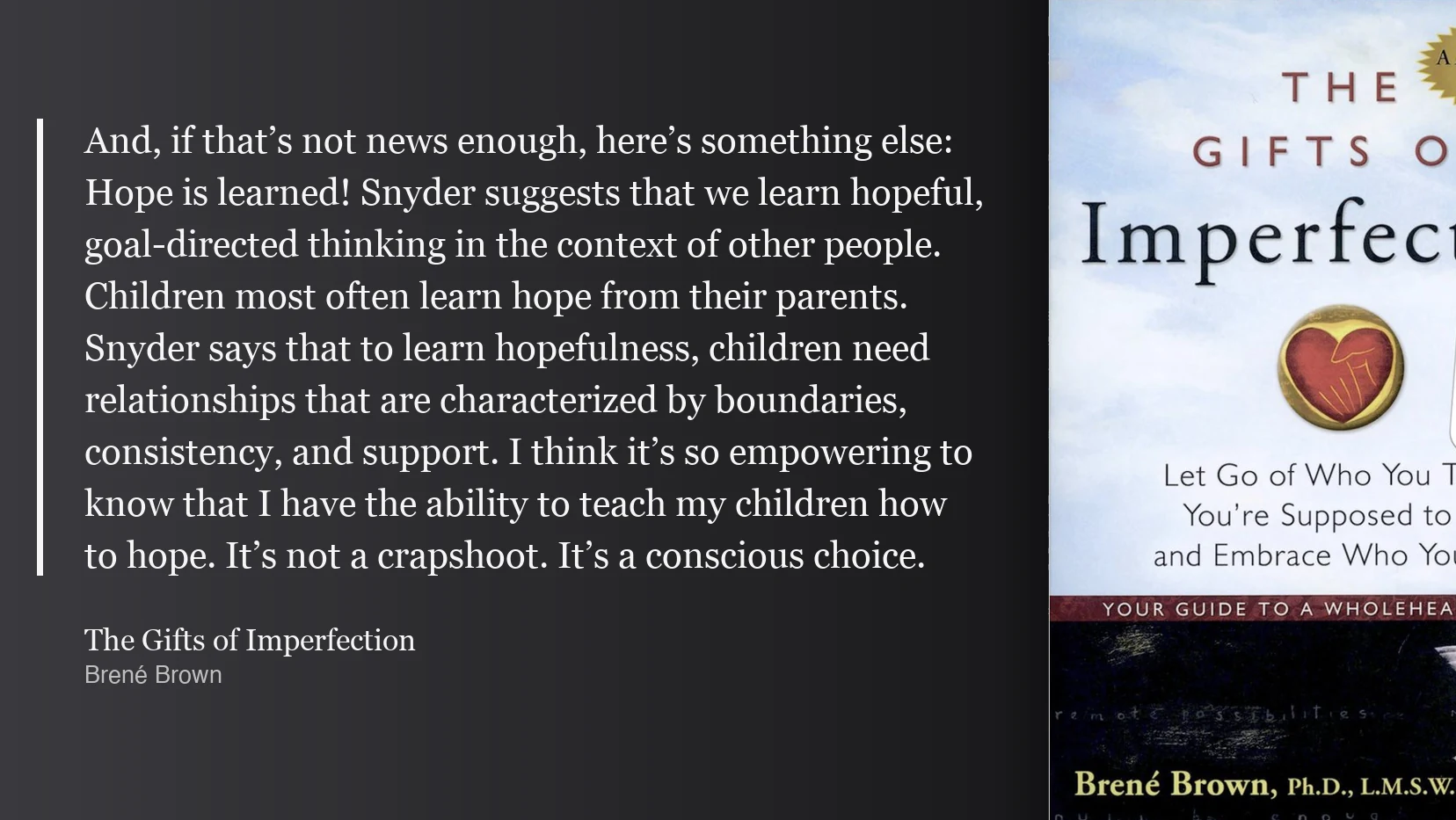
In The Gifts of Imperfection, Brown builds on the work of "C. R. Snyder, a former researcher at the University of Kansas, Lawrence." So the research on hope has Kansas roots. One of my highlights is three words: "Hope is learned!" Brown writes that "Snyder suggests that we learn hopeful, goal-directed thinking in the context of other people," and she closes the passage with this: "It's not a crapshoot. It's a conscious choice."
Read next to Duke, that last line puts hope on the decision side of her two-part equation, away from luck.
My friend Dr. Sabba Quidwai keynoted for our district this spring, then wrote "Hope Is a Thinking Skill" for her Substack, Designing Schools. Crediting Brown's research and Snyder's Hope Theory, she writes: "Hope isn't an emotion. It's a cognitive process, a way of thinking that can be developed and strengthened."
She describes two kinds of hope. In the first, "someone else sets the goal, someone else maps the path." The second is "the one you create yourself... This is hope built on agency: the belief that your own actions can change your outcome."
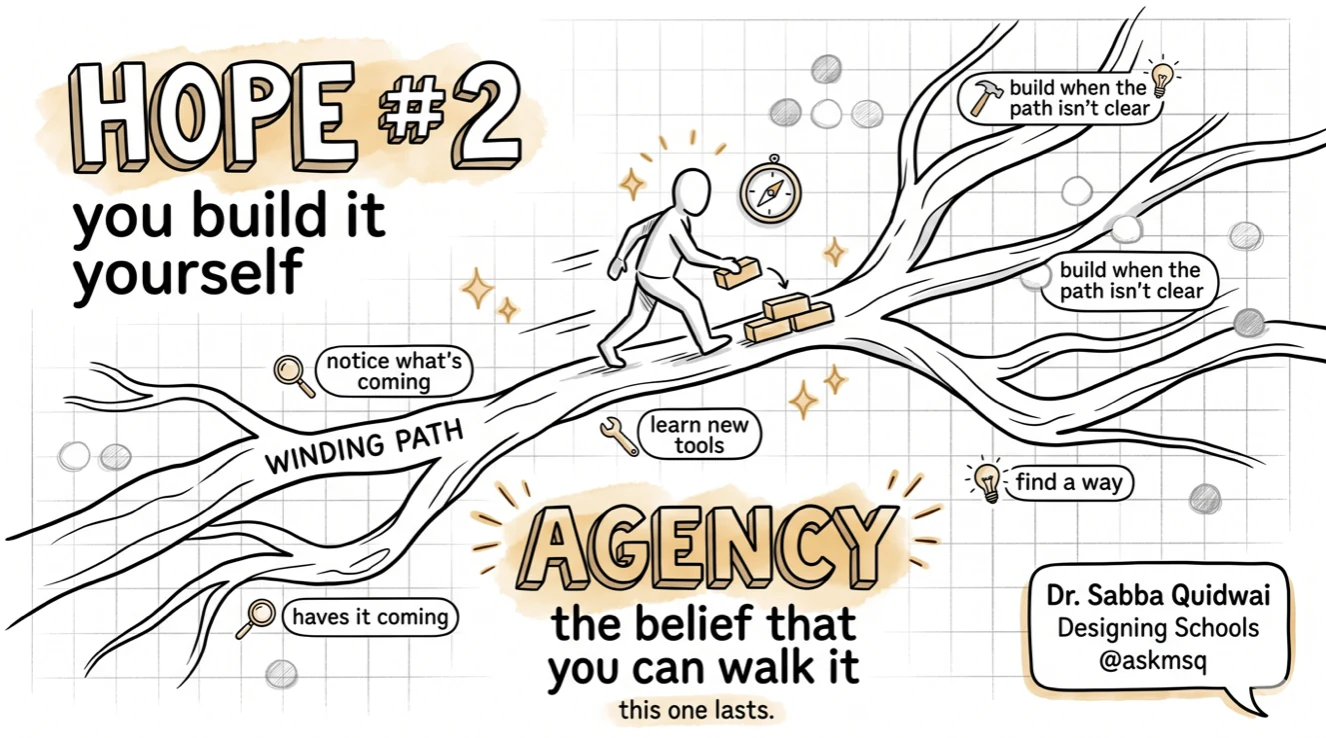
My bets were the second kind. Nobody mapped a path from Andover to New York to Omaha. Gates offered me one path and Manatee offered another. Two nos and a move to Omaha were Amanda and me building our own.
Today's bet
The bets I'm making now at Wichita Public Schools are about system problems, and a lot of them are societal. School systems don't get to wait for perfect information. I didn't in Andover, in that pilot district, or in Omaha either. When you don't have all the data, you work through problems as bets.
Betting without all the data takes what Sabba calls "the belief that your actions matter, that you can find a way, that the effort is worth it even when the outcome isn't guaranteed." Societal problems need adults who can hope that way. So do our students, and if Brown and Snyder are right, they learn it from the people around them.
If hope is a skill, it needs practice. Here's the practice I'm taking from Duke. Before a big call, write down your reasons and how sure you are. When the outcome lands, grade the reasons, not the result. As Duke writes, "The best way to do this is to deconstruct decisions before an outcome is known."
Then find the person who will tell you when your reasons were bad, even when the result was good.
My biggest bet right now is on AI, which I also call superintelligence. I'm betting it arrives faster than our systems are built to absorb. I hold that as a probability high enough to act on, not a certainty, which is Duke's whole point. Waiting to see how it plays out is a bet, too.
I'm betting on AI because I believe we can do far more good with it than harm. Technology isn't inherently good or bad. Our human decisions make it one or the other.
This week on the All-In podcast, Jason Calacanis walked through OpenAI's release of more than 700 papers, with 370 results it says solve or advance major math problems. An unreleased model produced them, averaging about three hours of compute. Scientific American reports that many of the results were checked in Lean, a language that validates a proof's logic, but not all of them, and some have already been retracted after outside mathematicians found mistakes. None have been through peer review.
David Friedberg went big: "I think I can confidently say it's probably the biggest day of discovery in human history with the amount of knowledge that was revealed."
That's Friedberg's call. It isn't settled fact, and some of these results may not survive peer review. I'm betting on the direction anyway, and I'll grade that bet on my reasons, the same way I graded the two nos.
Then he described the loop: "A loop is a postulation or an idea. Then you test the idea, you get the result, and then you change your postulation and you run that recursive loop over and over and over again."
That loop is thinking in bets. Make a call, test it, read the outcome, update. Friedberg is describing the same loop at machine speed, with "the equivalent of hundreds or perhaps thousands of years of human labor being reduced down to 3 hours on a computer for each one of these major discoveries."
If machines run the loops, the human job is choosing which bets are worth making. Sabba put it this way: "Machines can execute agency. Only humans can choose it."
Friedberg's last word on the math results was that "it's going to change the world in many different ways and it's only the beginning." Here's his full answer, from 39:22 to 42:31.
Friedberg makes the case for the upside. For the downside, I keep going back to a post from Steven Pinker. He runs through the doomsdays that never came: poison gas after World War I, nuclear holocaust after World War II, suitcase nukes after 9/11, "gray goo" after the first nanotech. He doesn't say AI is safe. He allows that "maybe this time it's different." His point is that the history "should serve as a reminder of the cognitive bias of casually slipping from risk to existential risk, and to compensate accordingly."
That's a Duke move: name the bias, then adjust the bet. It's also why my bet stays on people. AI won't decide what it gets pointed at. We will.
View post on X
Sources
- Annie Duke, Thinking in Bets (2018)
- Seth Godin, The Practice (2020)
- Brené Brown, The Gifts of Imperfection (2010)
- Dr. Sabba Quidwai, "Hope Is a Thinking Skill: Building Agency in the Age of AI," Designing Schools, May 30, 2026
- All-In Podcast, "Is Claude Conscious? Pope Rejects, Model Welfare Movement, OpenAI's Math Backlash, France Riots," October 10, 2026 (excerpt 39:22 to 42:31)
- Nebraska Public Service Commission, order granting Cox Nebraska Telcom broadband adoption support (NUSF-92)
- Cox Communications and Center for Digital Education, "Closing the Connectivity Gap" (2018)
- Steven Pinker on X, September 29, 2026
- Scientific American, "OpenAI unleashes hundreds more math results upon a field already in shock," October 6, 2026
- Scientific American, "The most exciting claims from OpenAI's heap of new proofs," October 8, 2026
- Education Week, inBloom shutdown coverage, April 2014
- The New York Times, Bits blog, inBloom closure coverage, April 21, 2014
- Education First, "What Policymakers Can Do to Advance High-Quality Professional Development at Scale," Common Core State Standards and the Transformation of Professional Development series, Summer 2014
- MDRC, Innovative Professional Development (iPD) project page
- ESPN, Bruins at Rangers box score, January 23, 2013
- Toggle Magazine, Rob Dickson case study