The power of partnerships
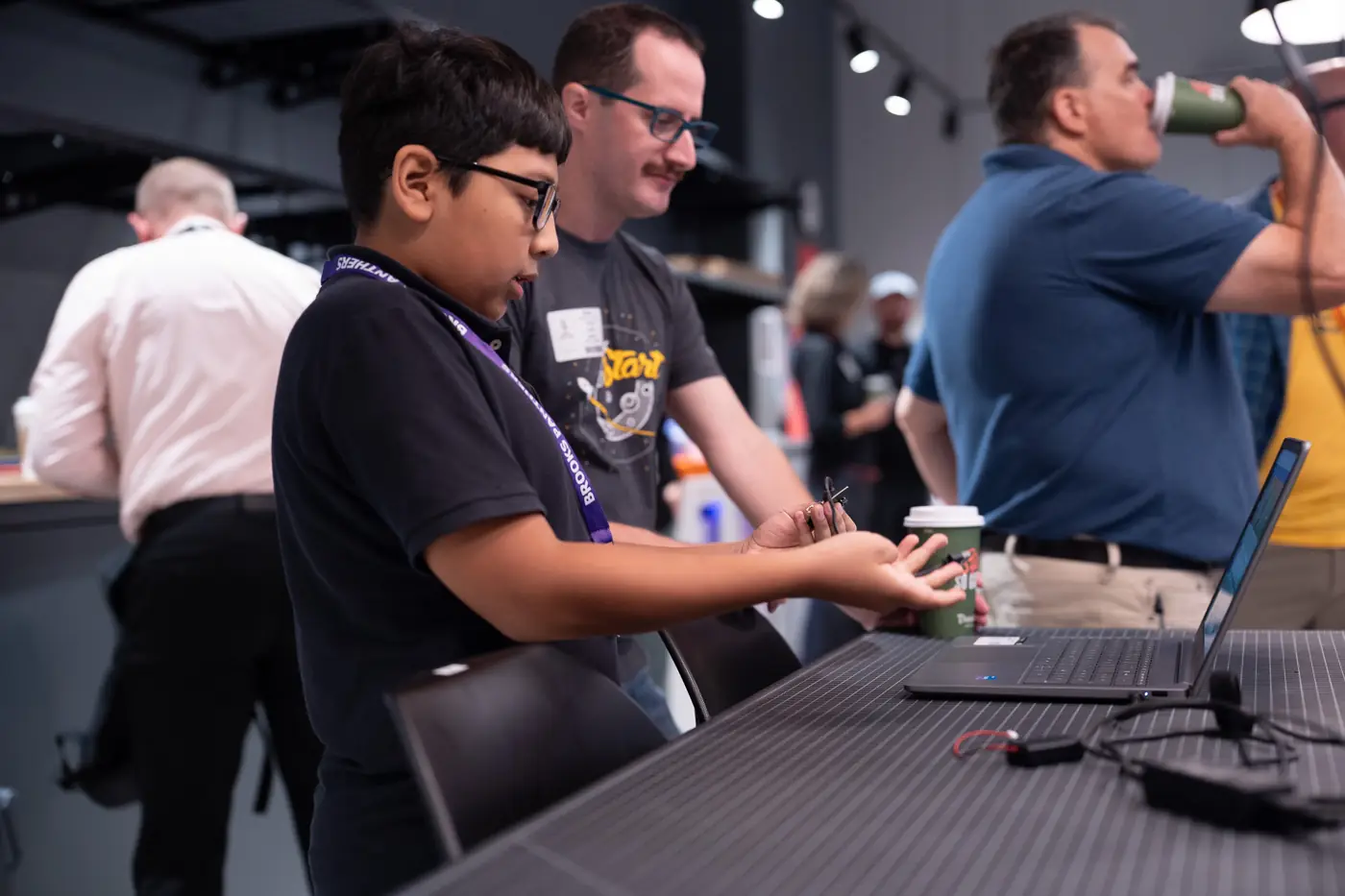
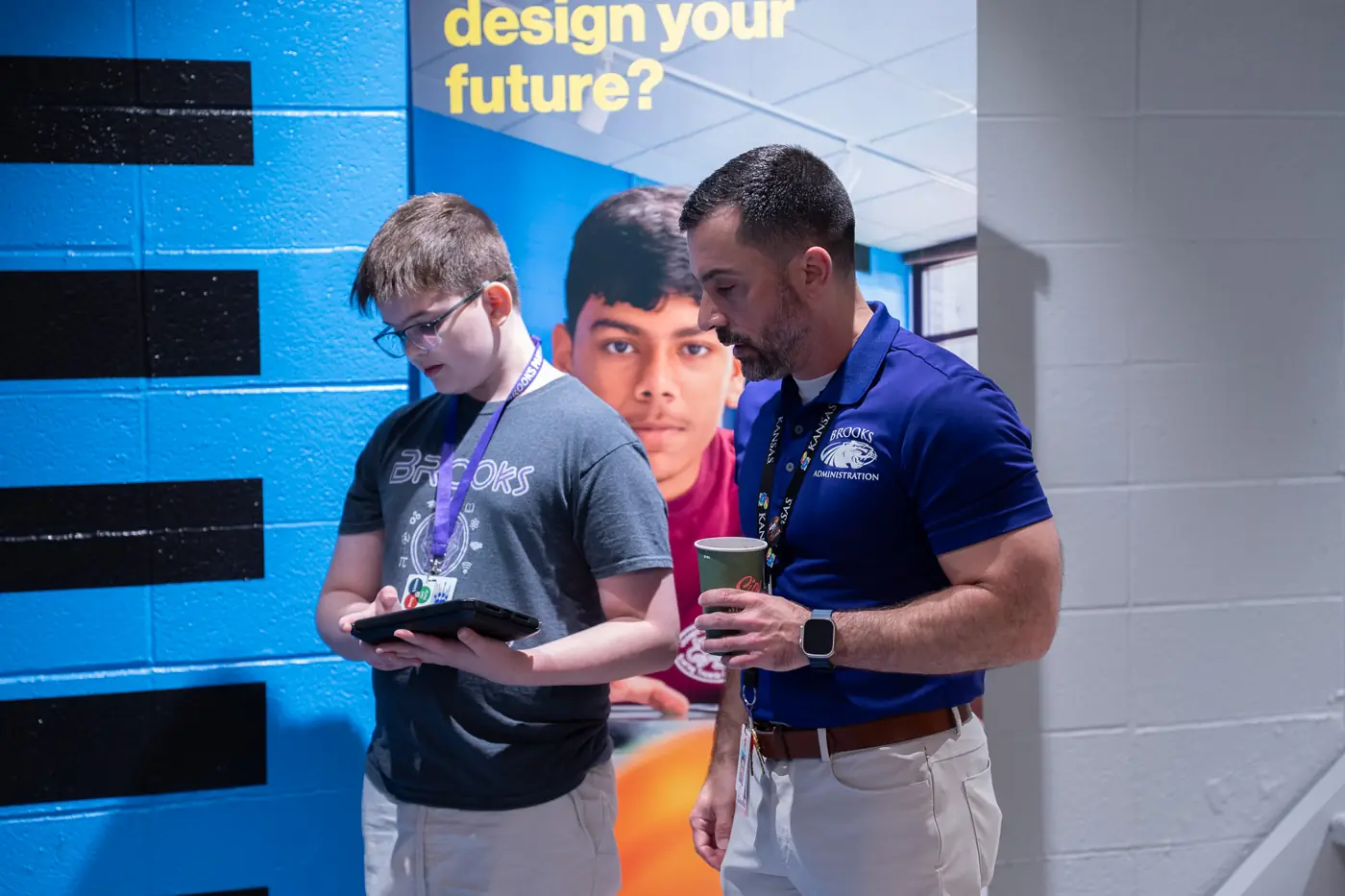
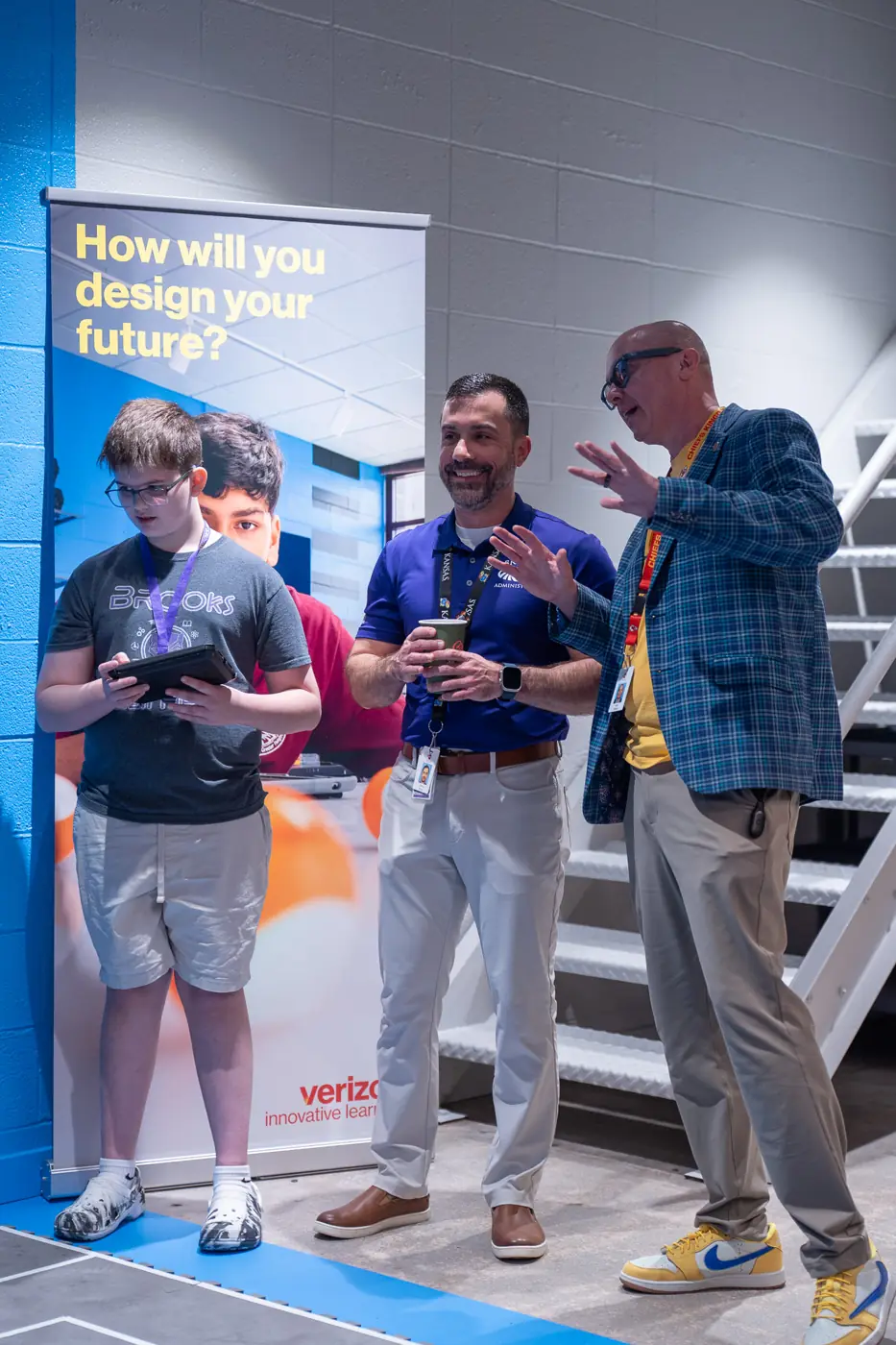
The fifth Verizon Innovative Learning Lab in Wichita reflects a partnership built around students, teachers, and the work they can do together.
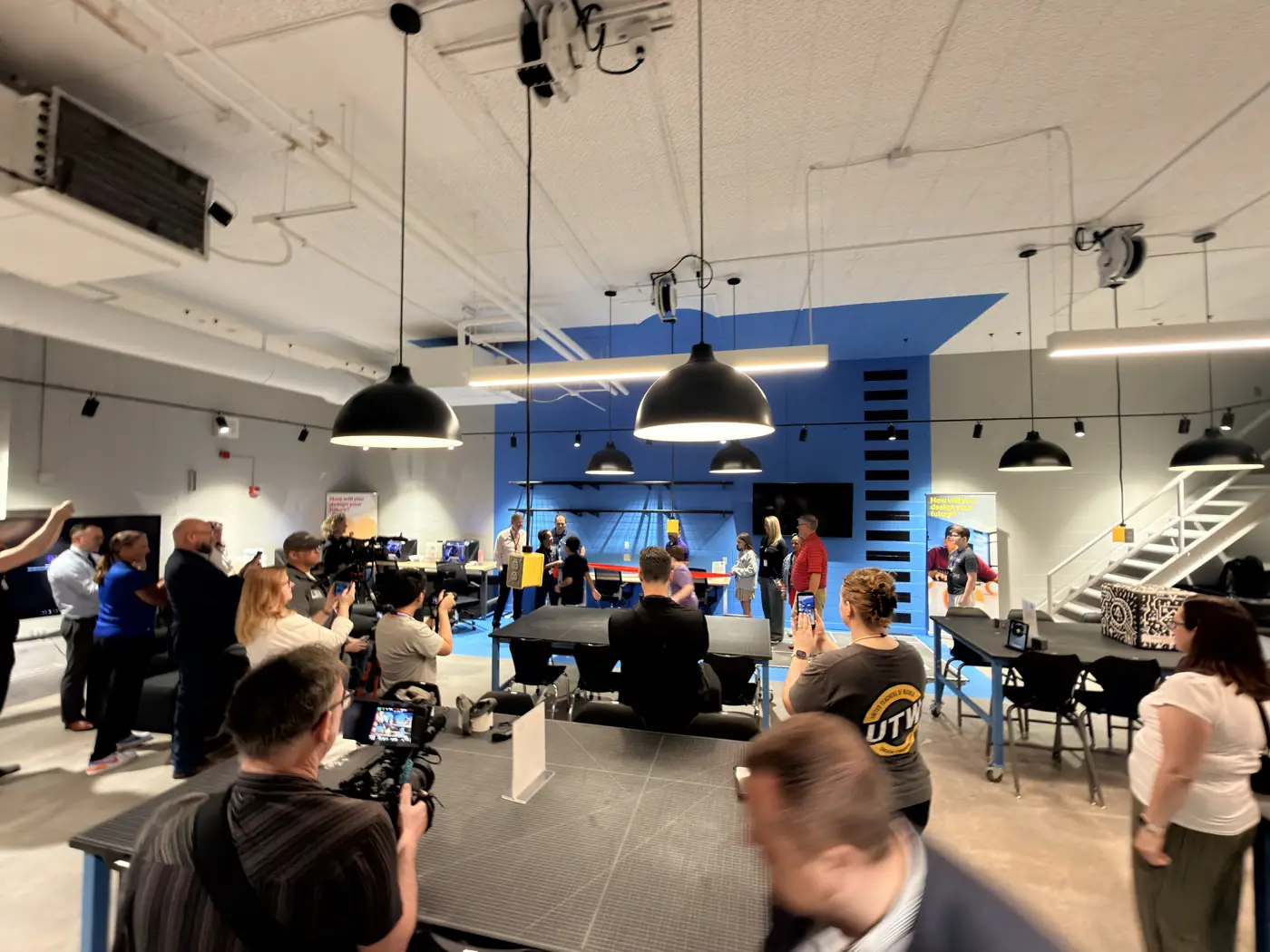
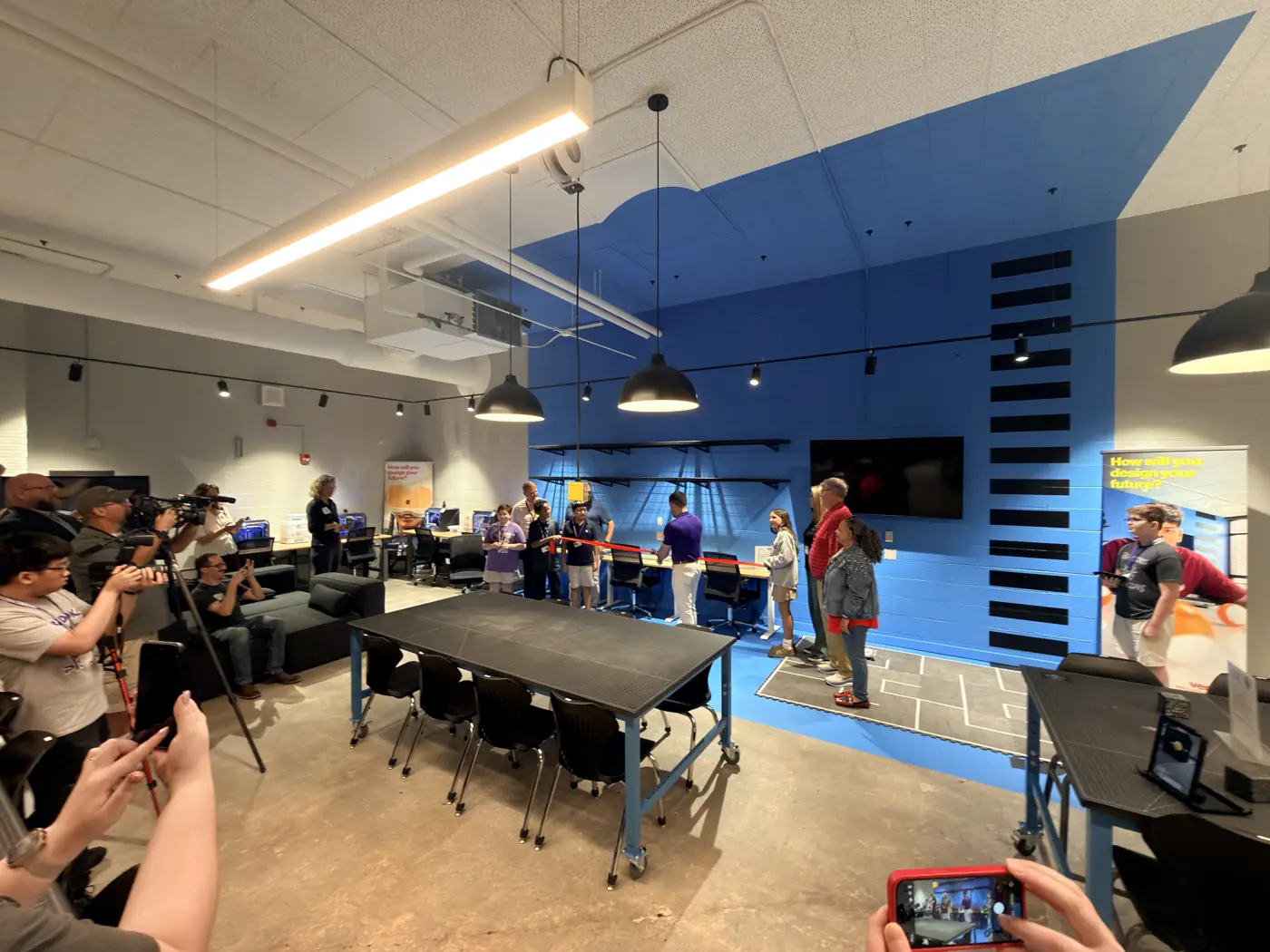
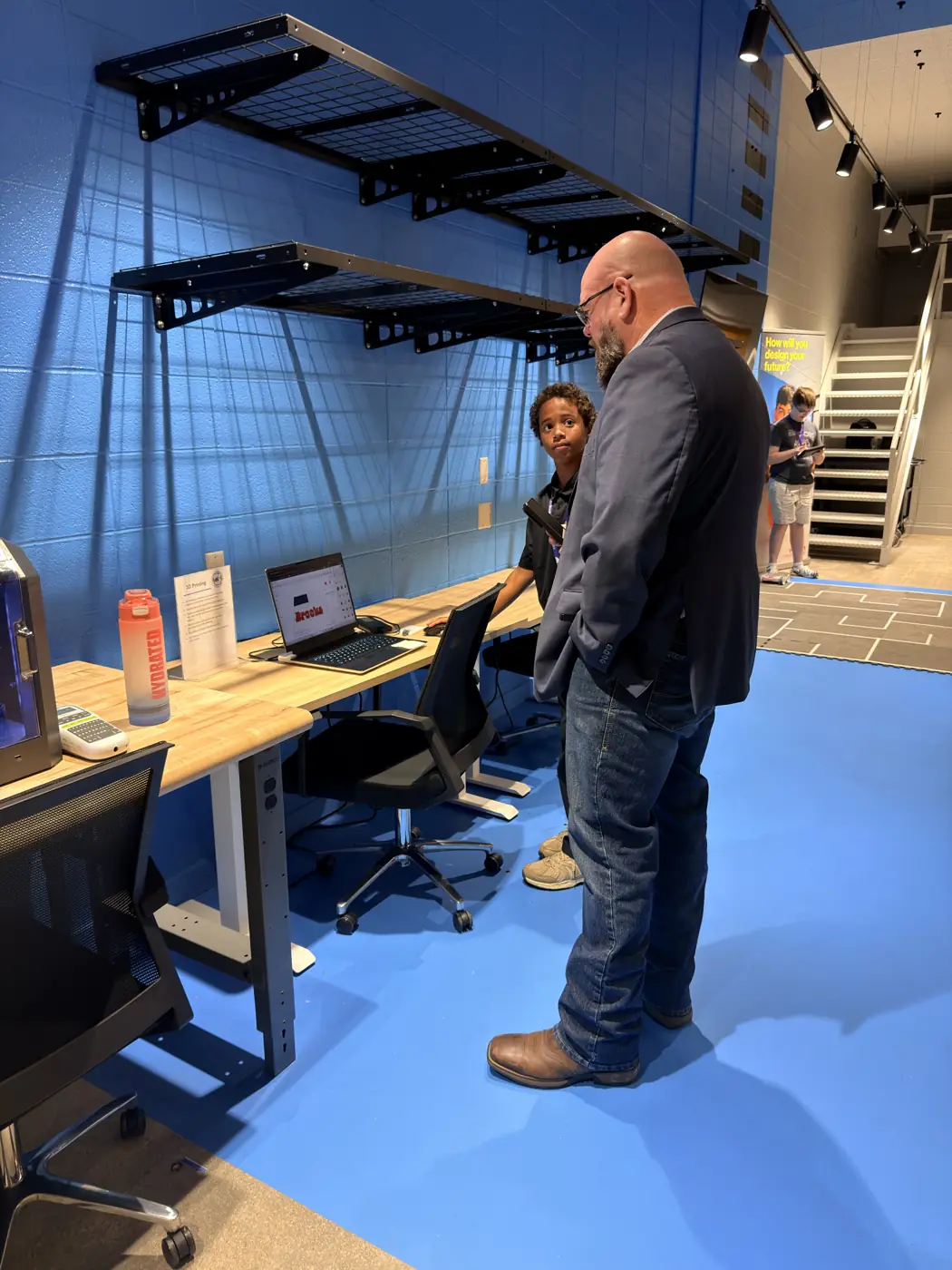
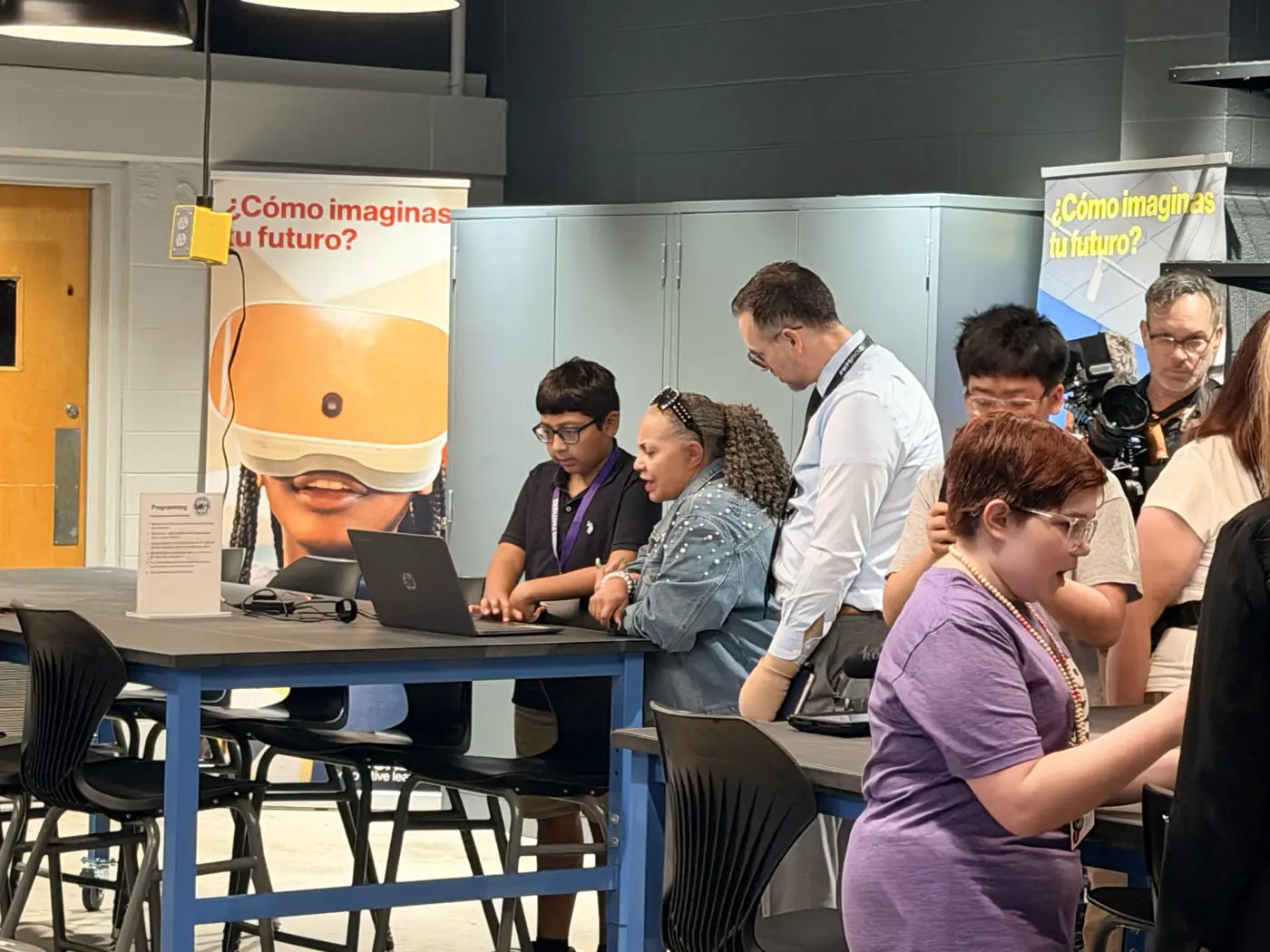
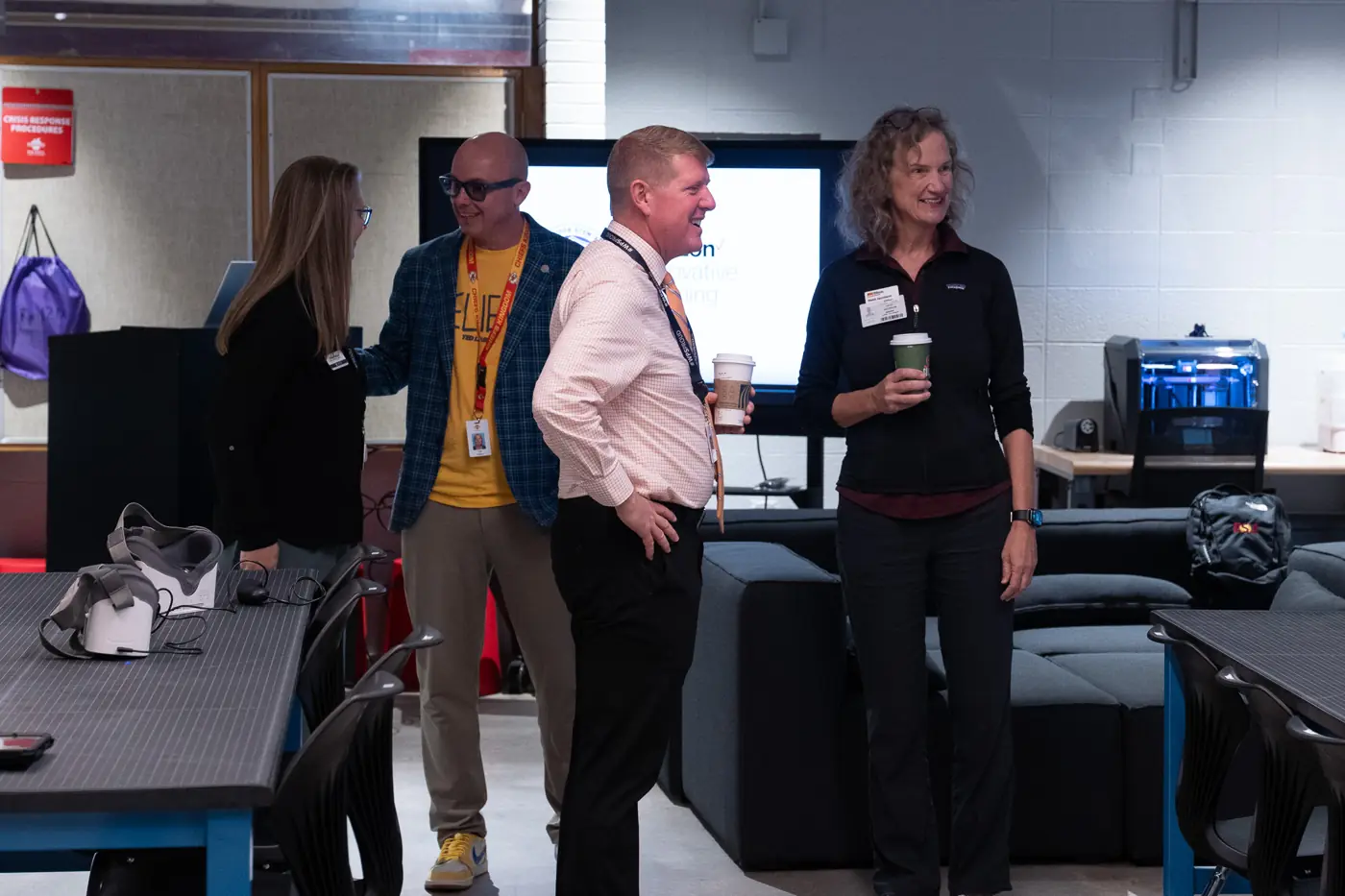
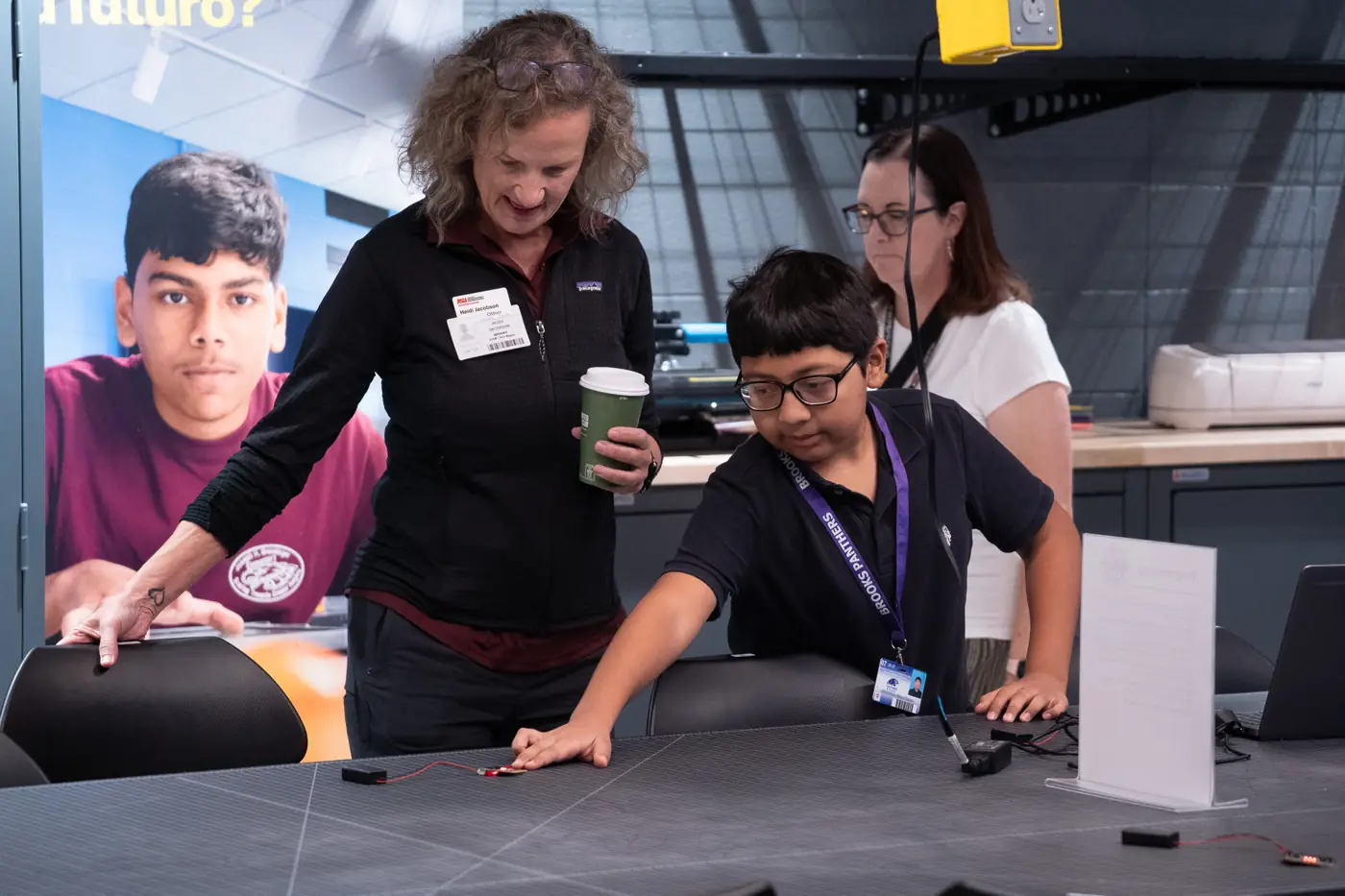
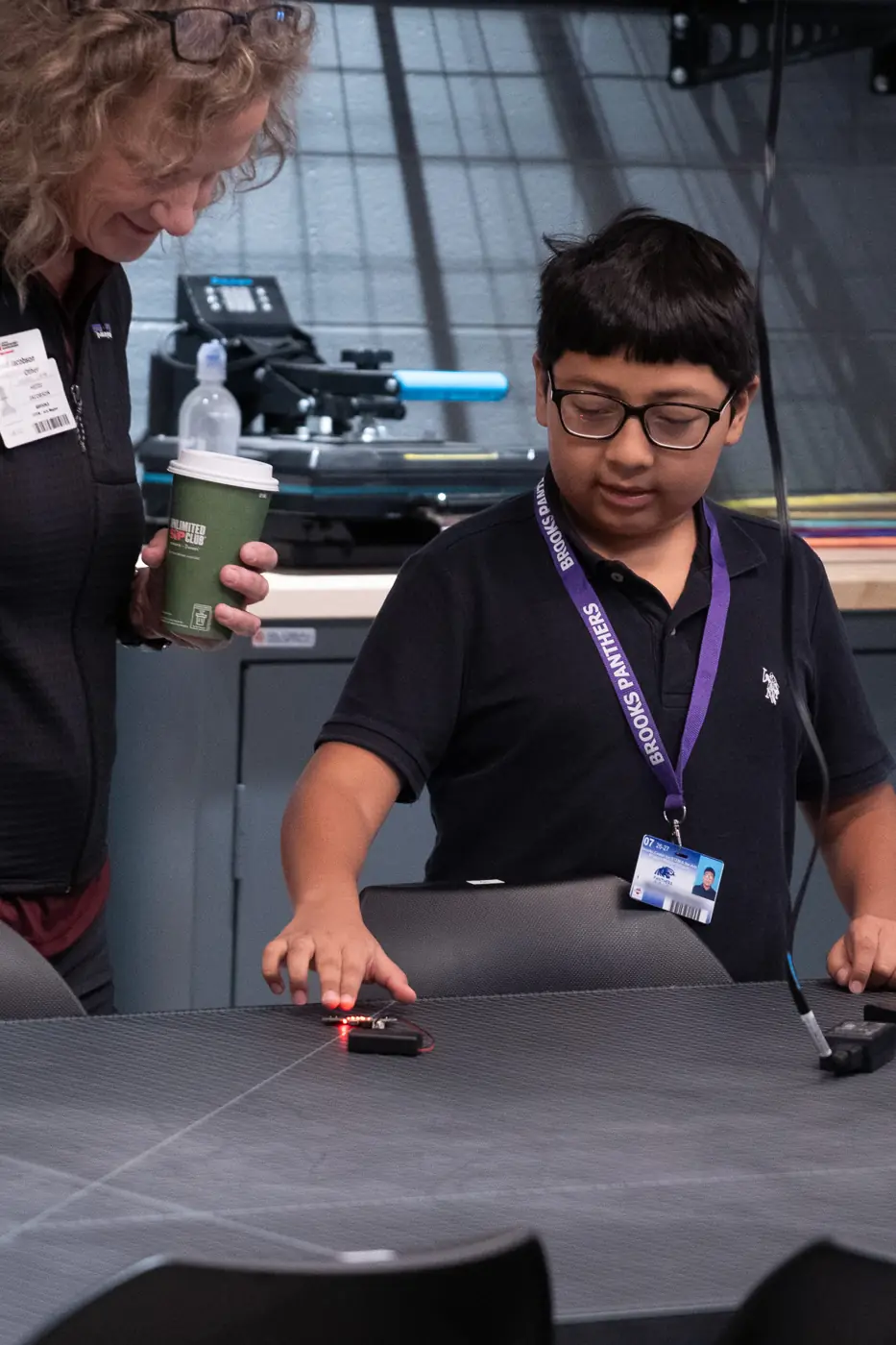
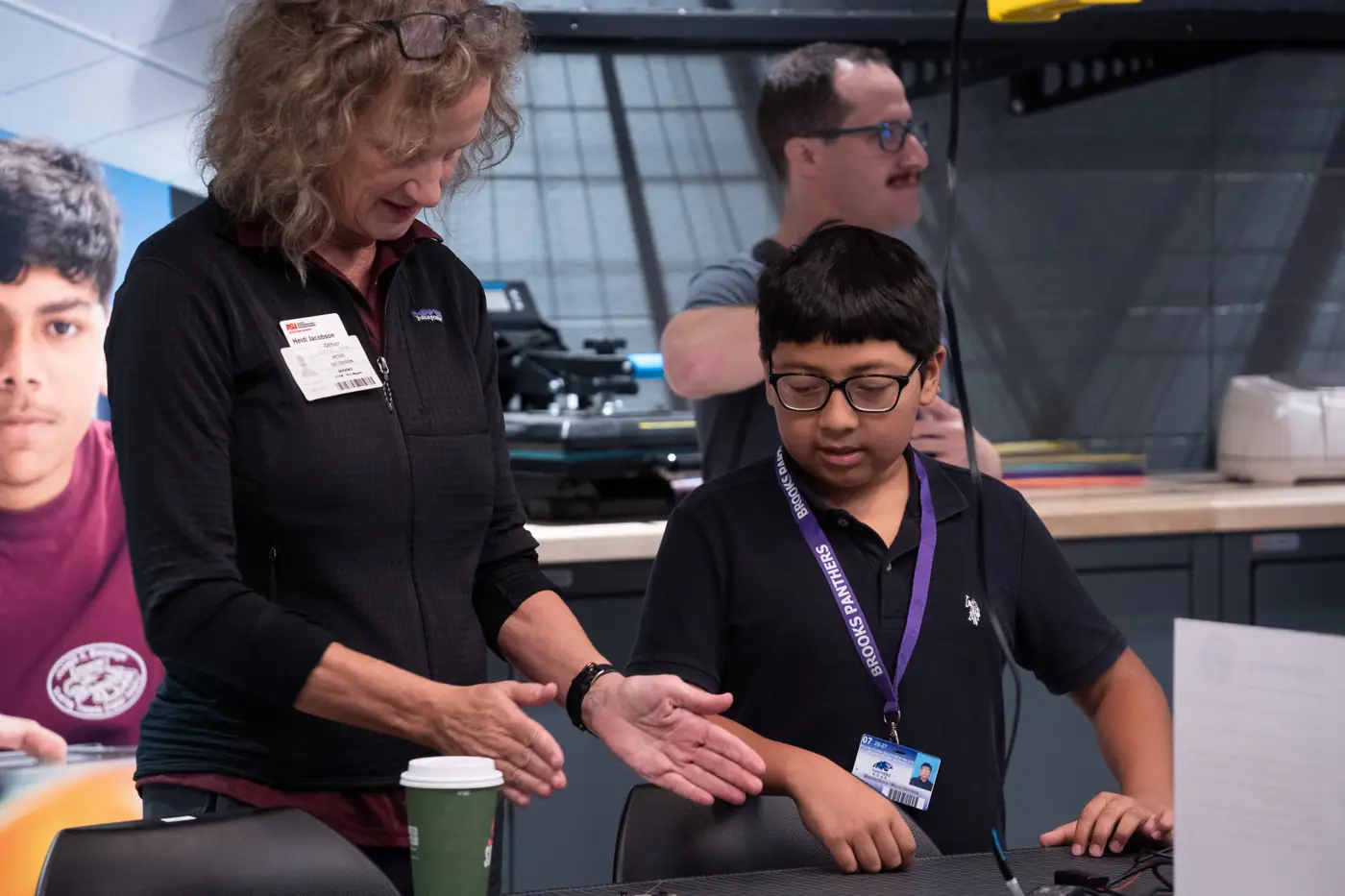
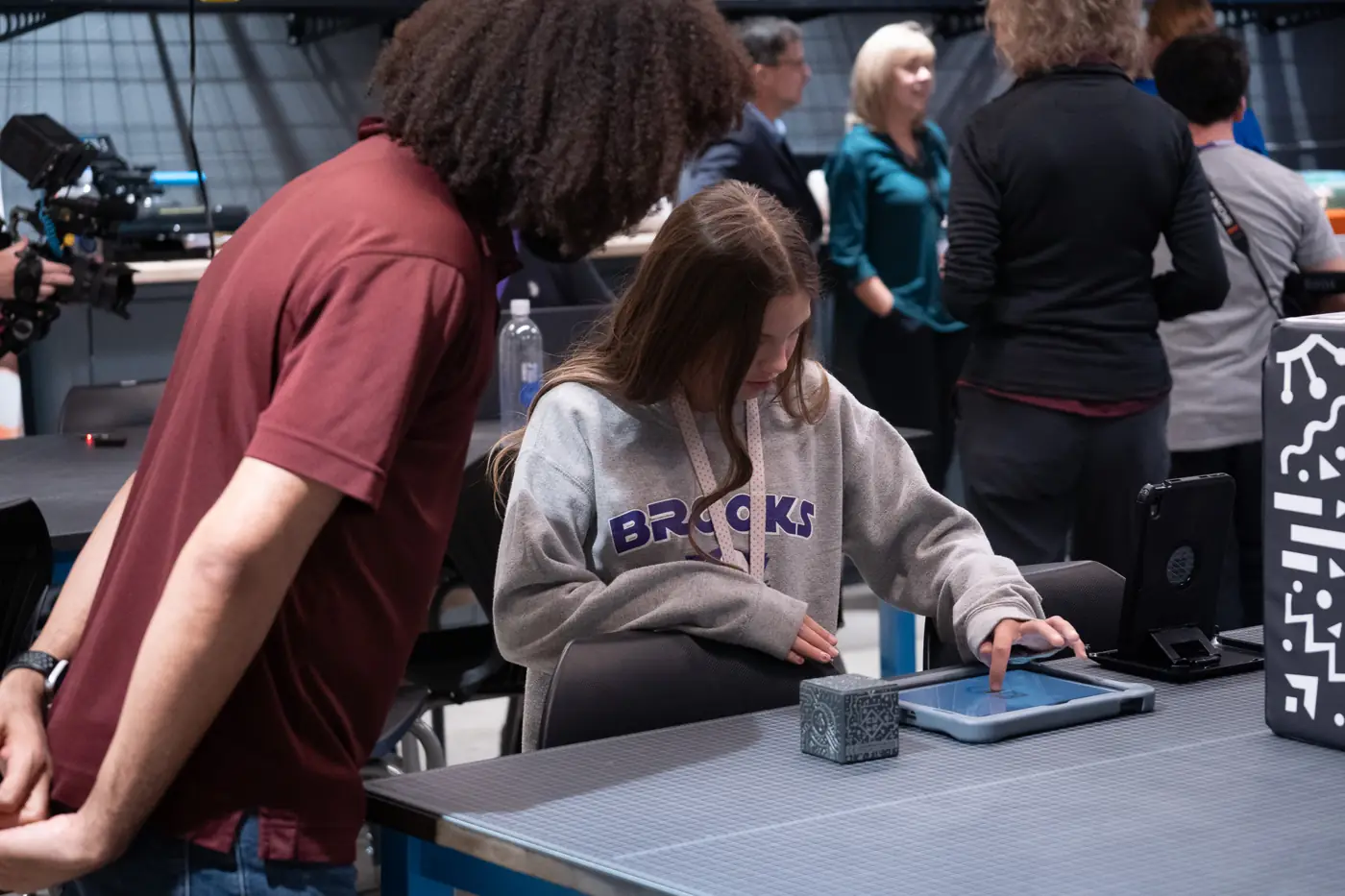
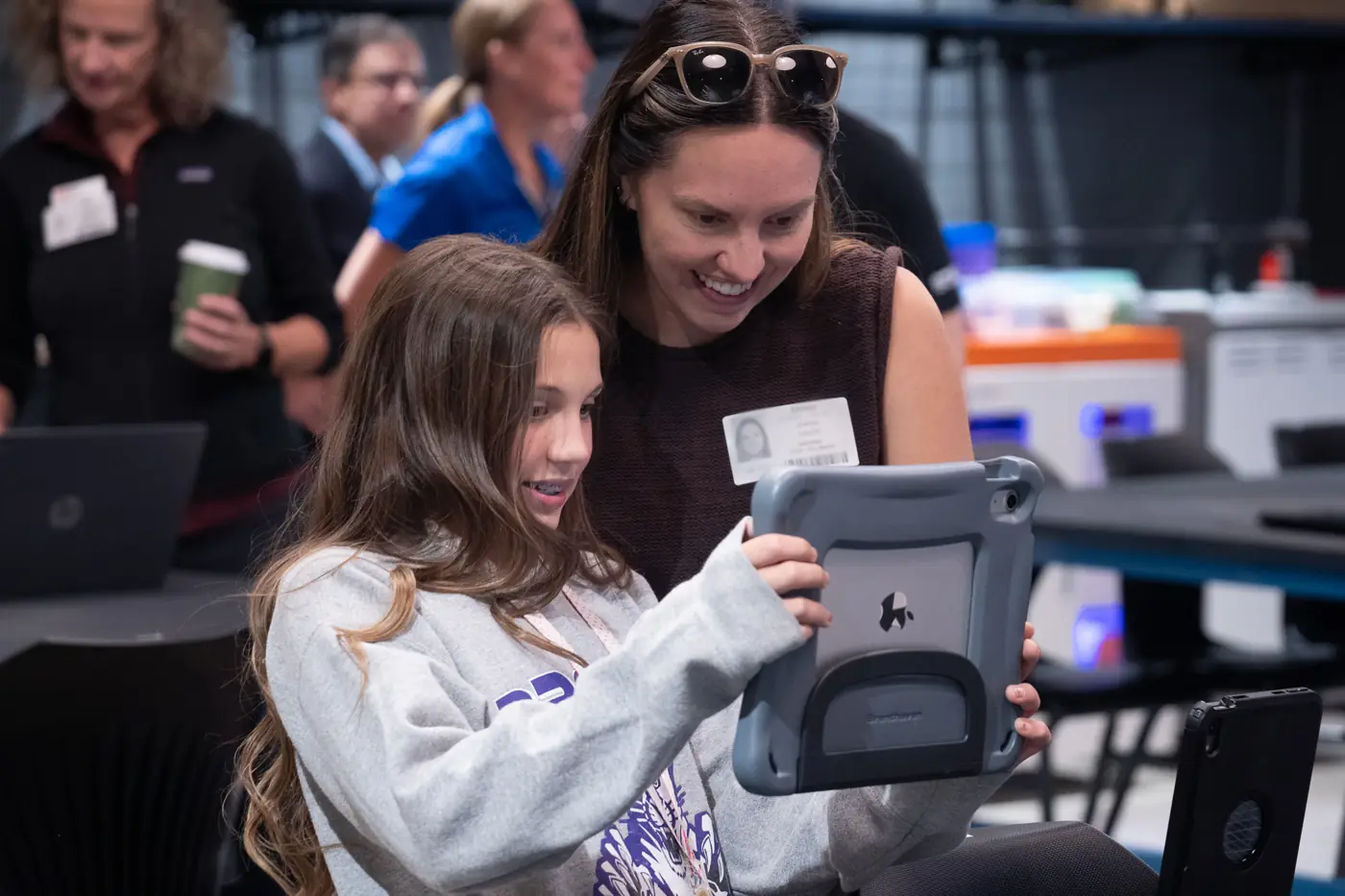
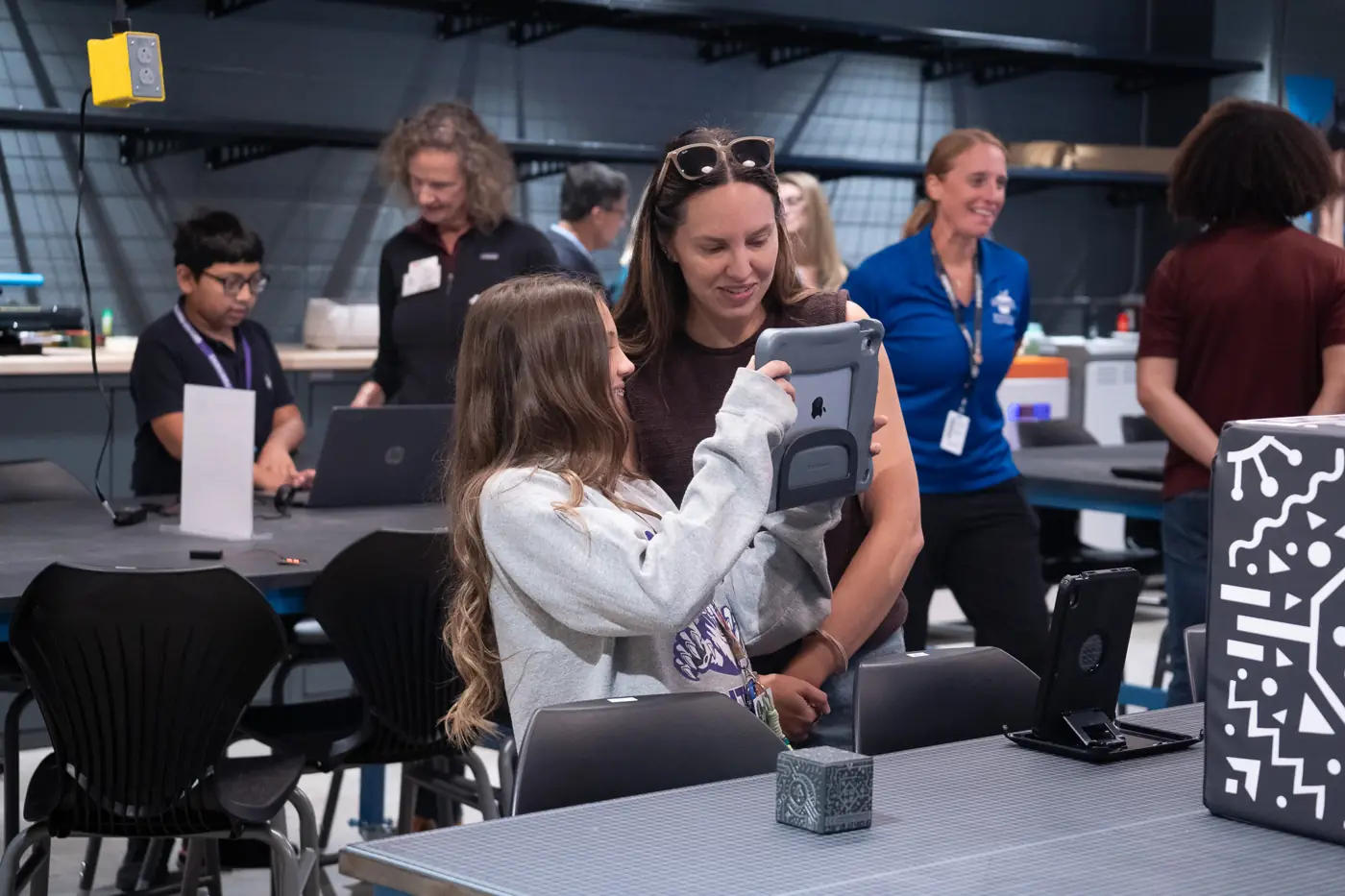
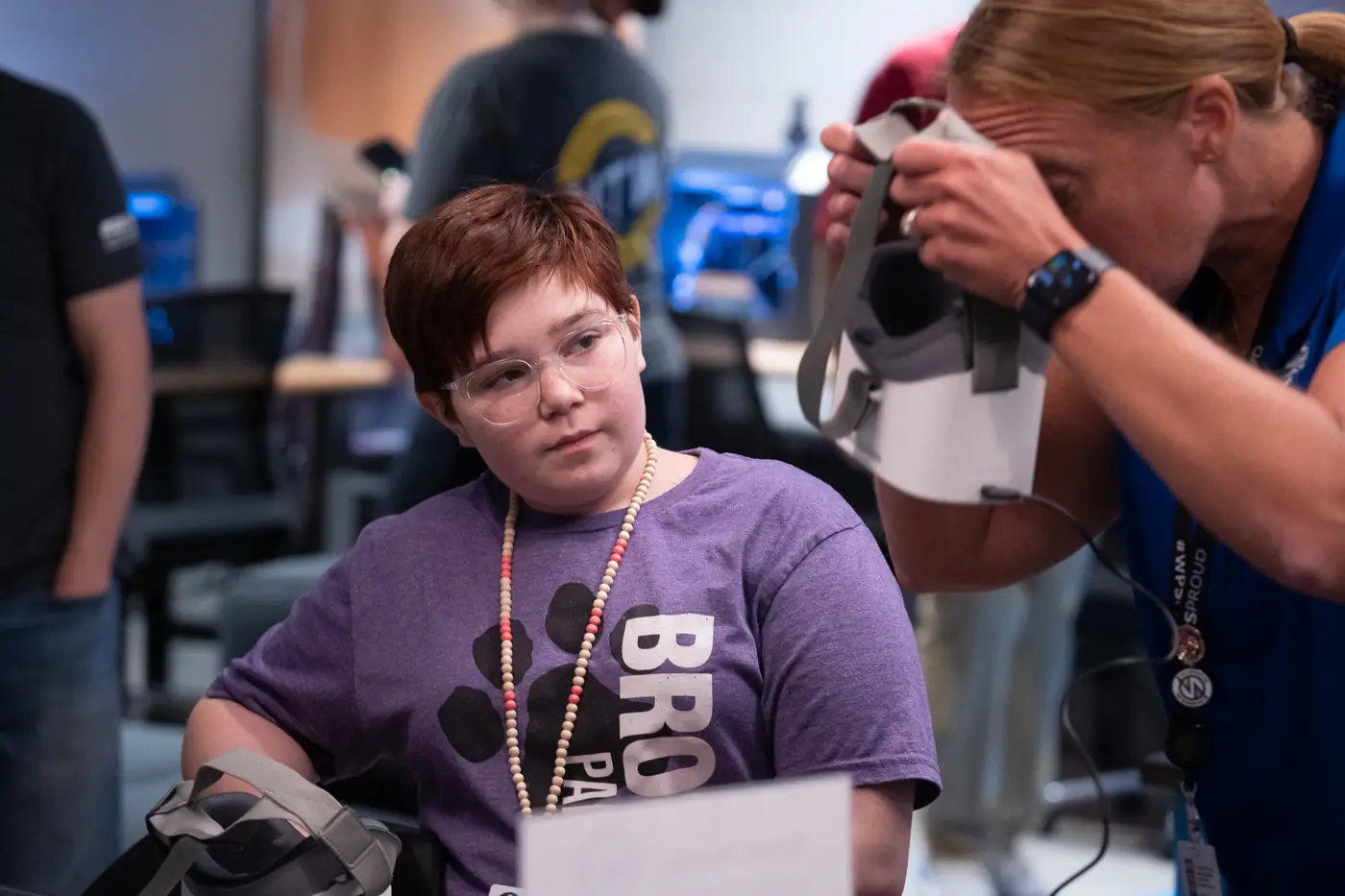
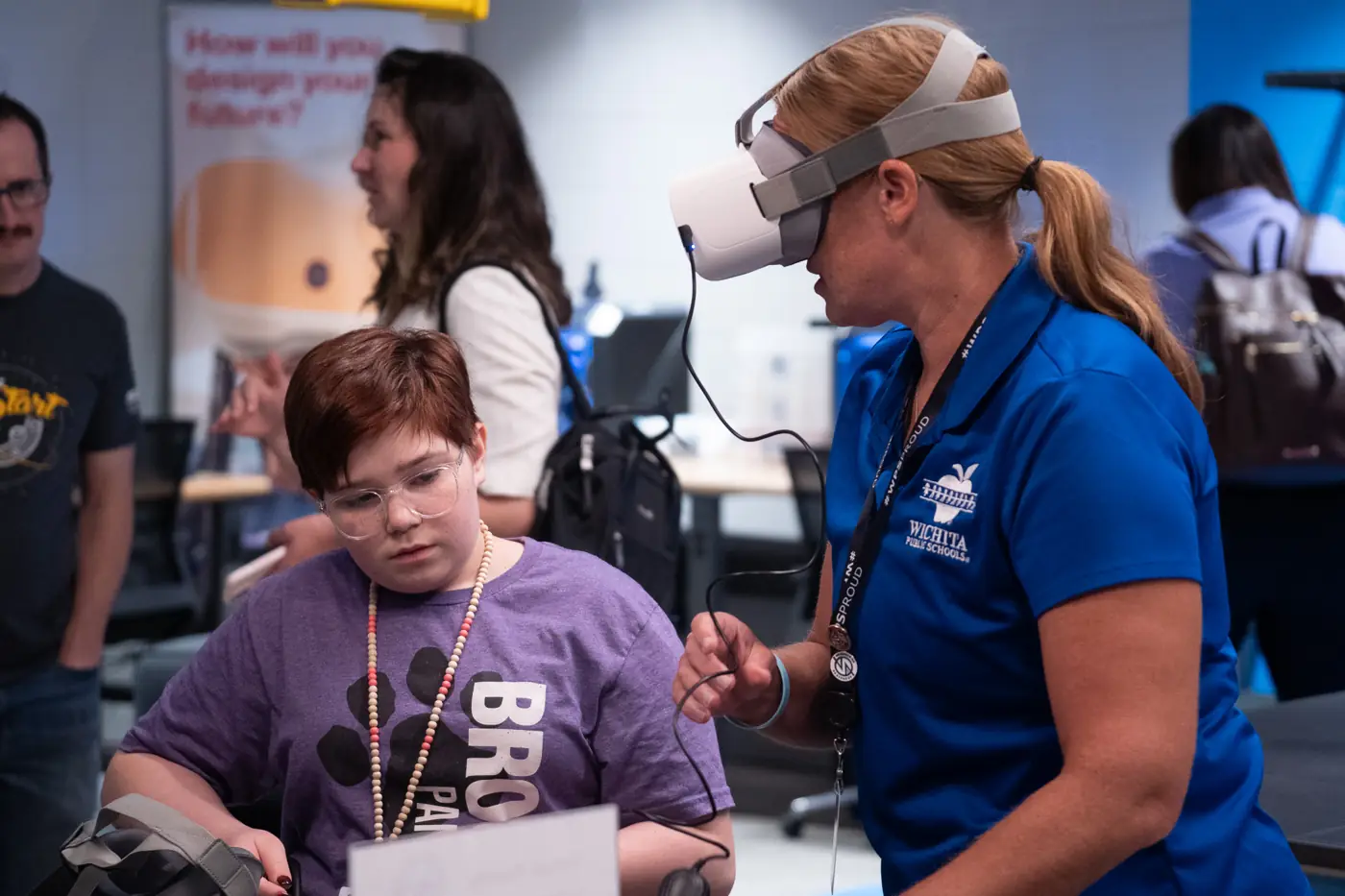
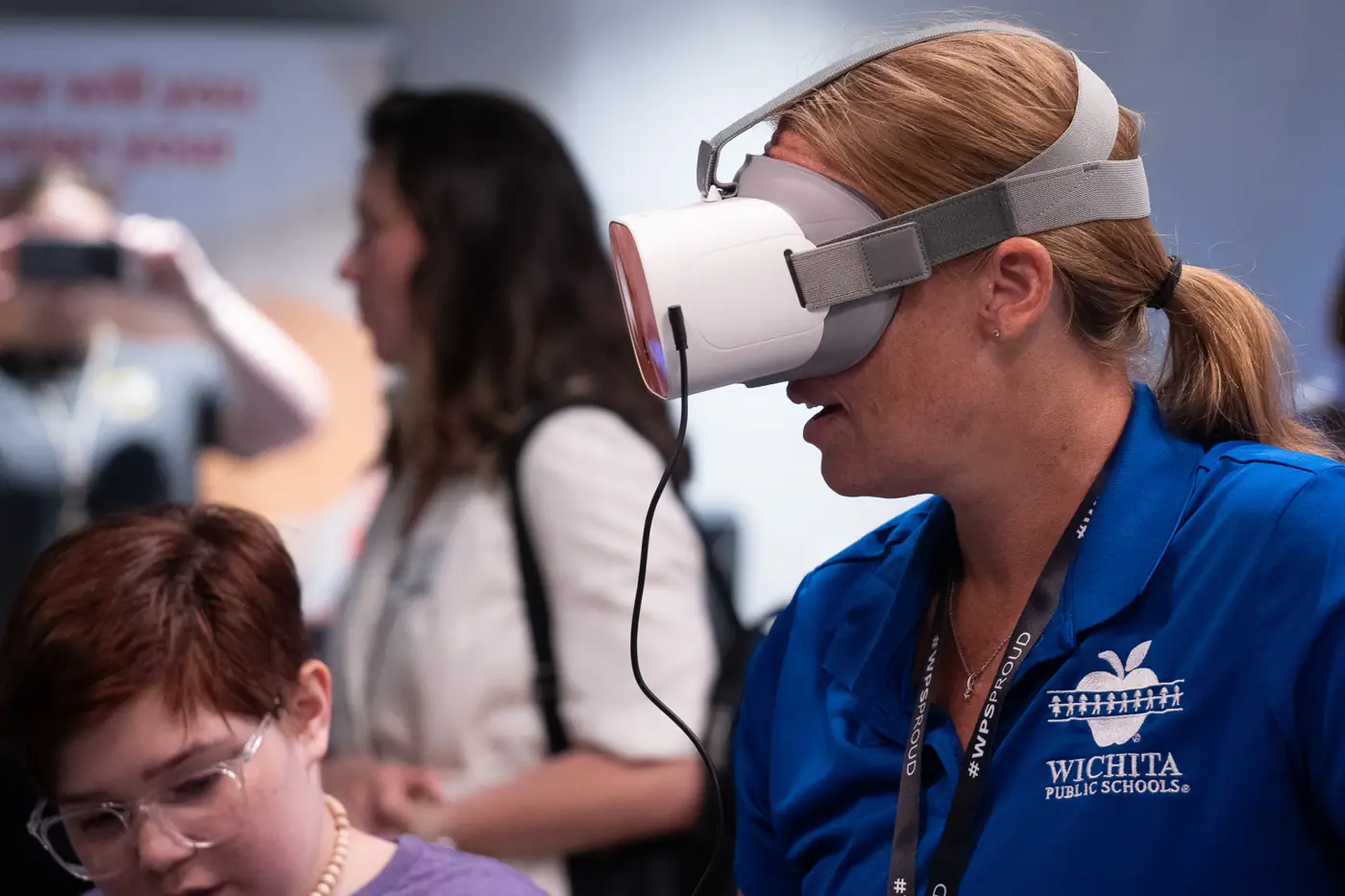
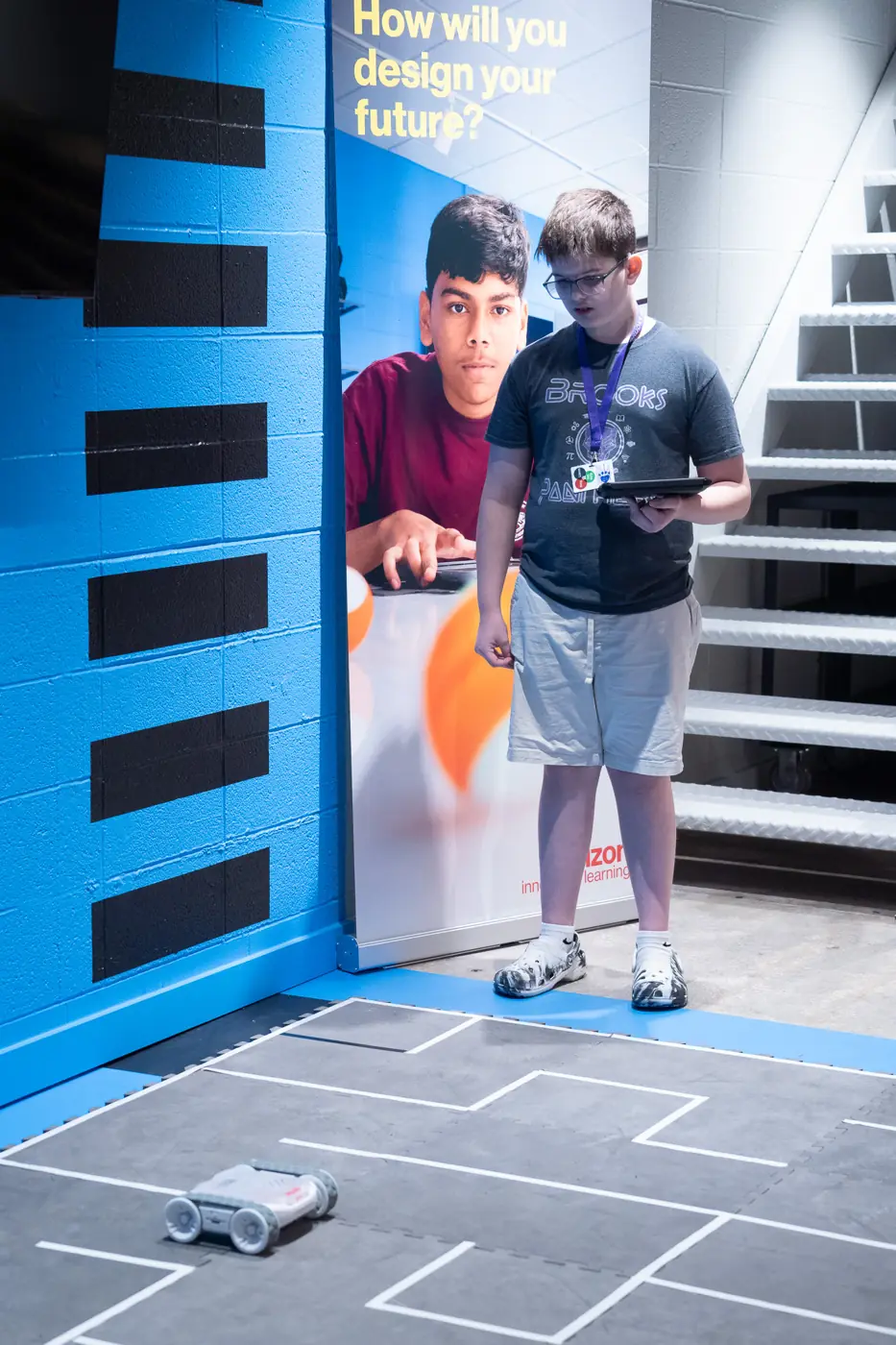
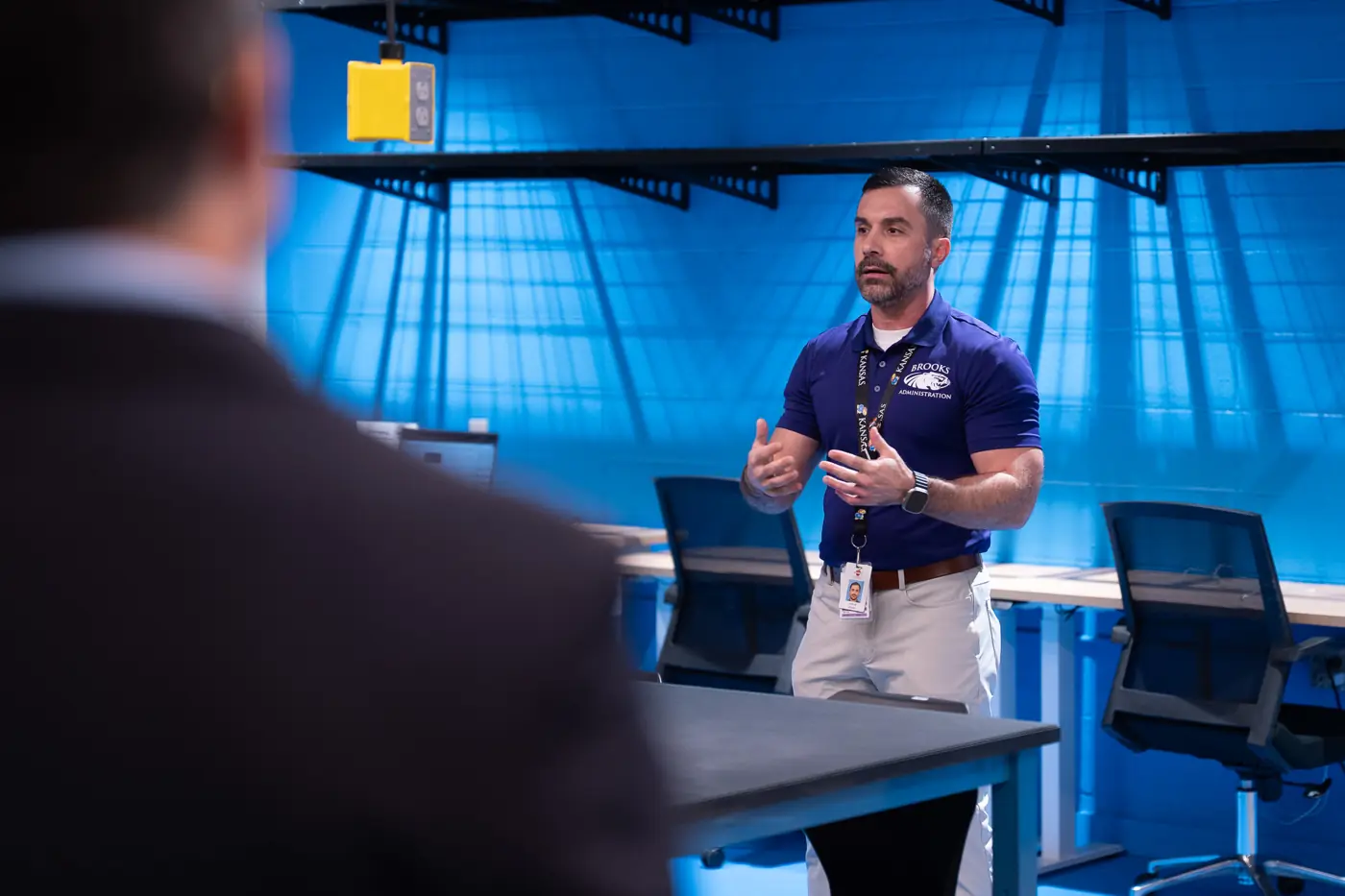
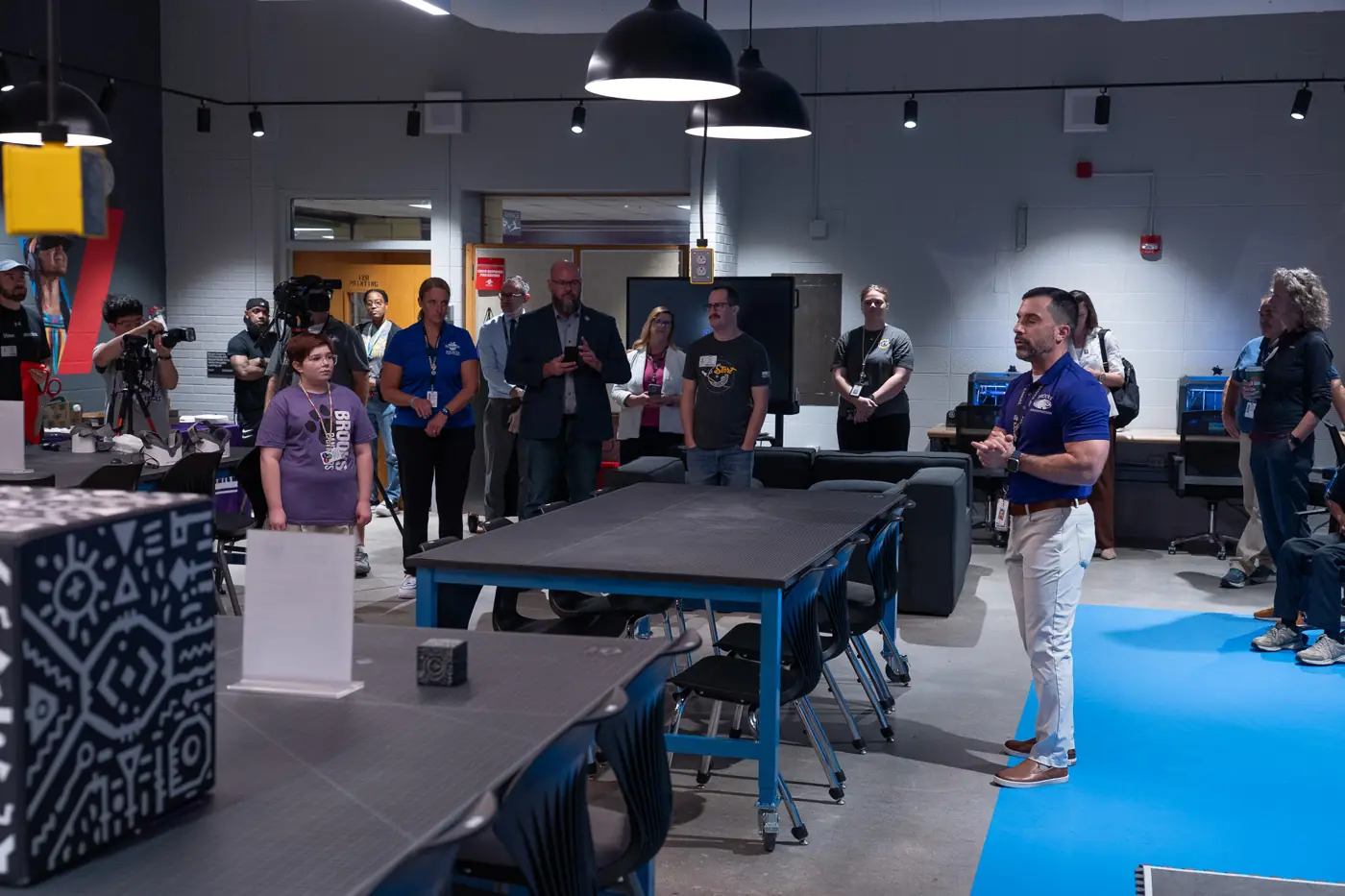
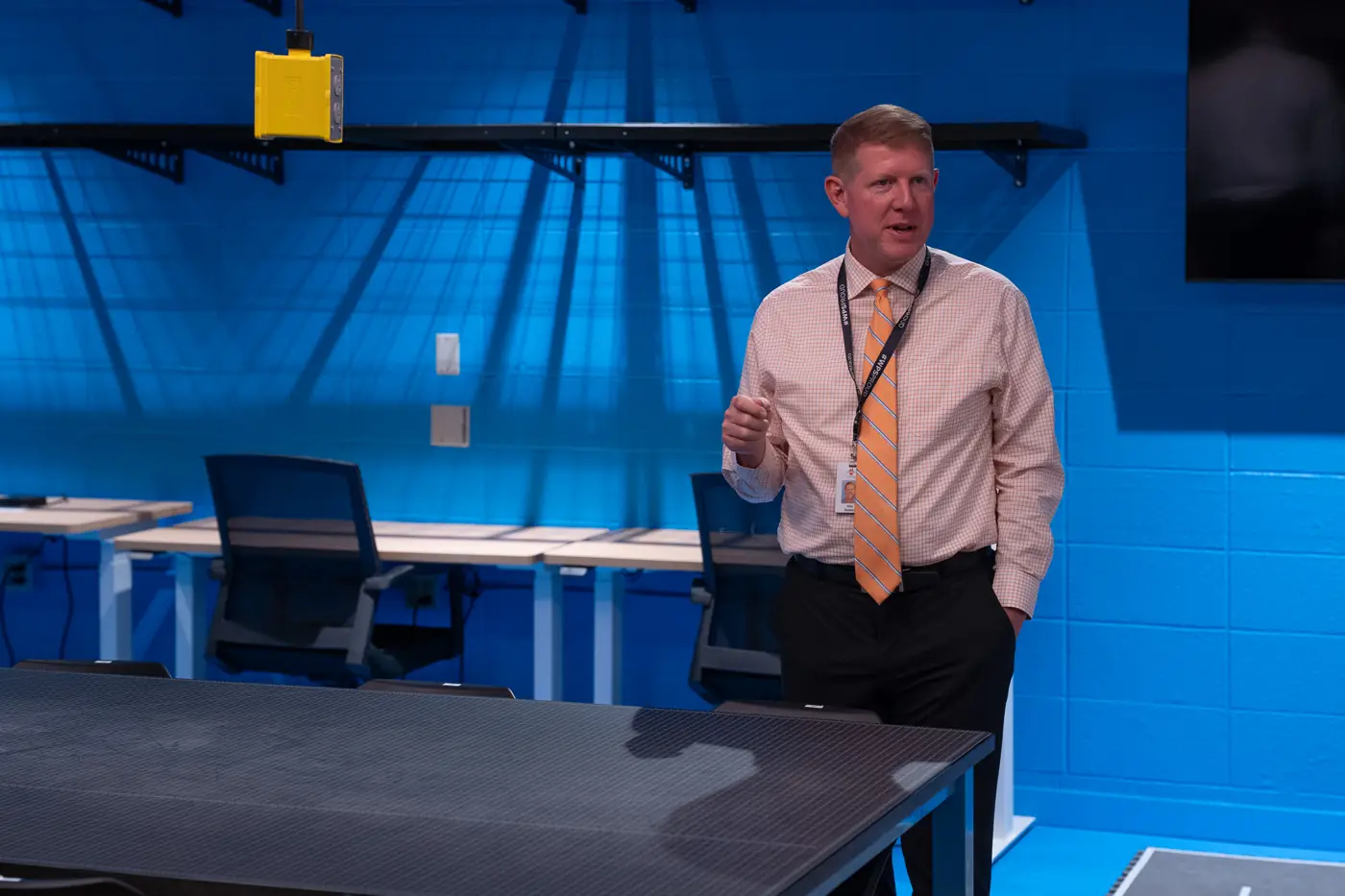
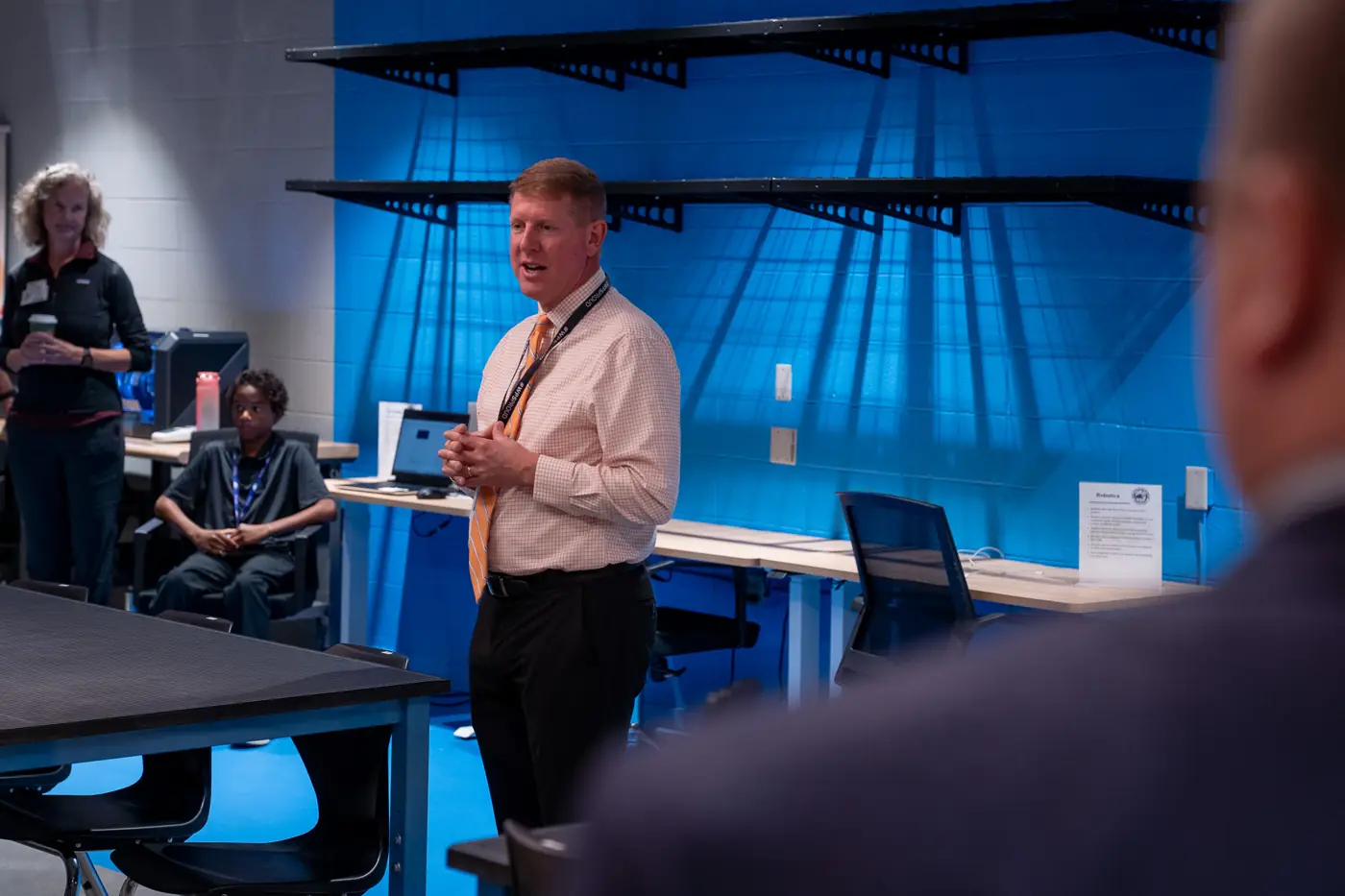
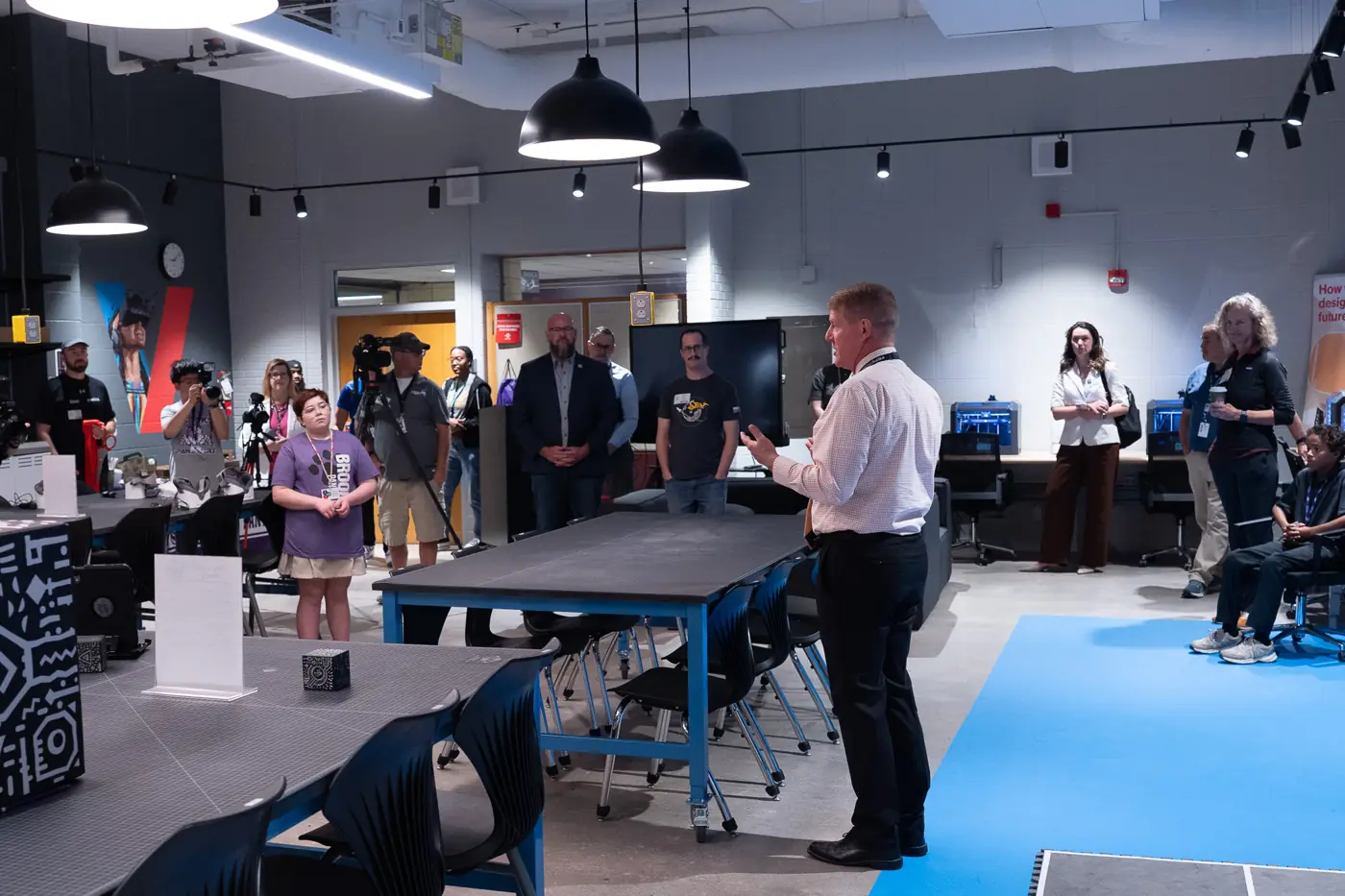
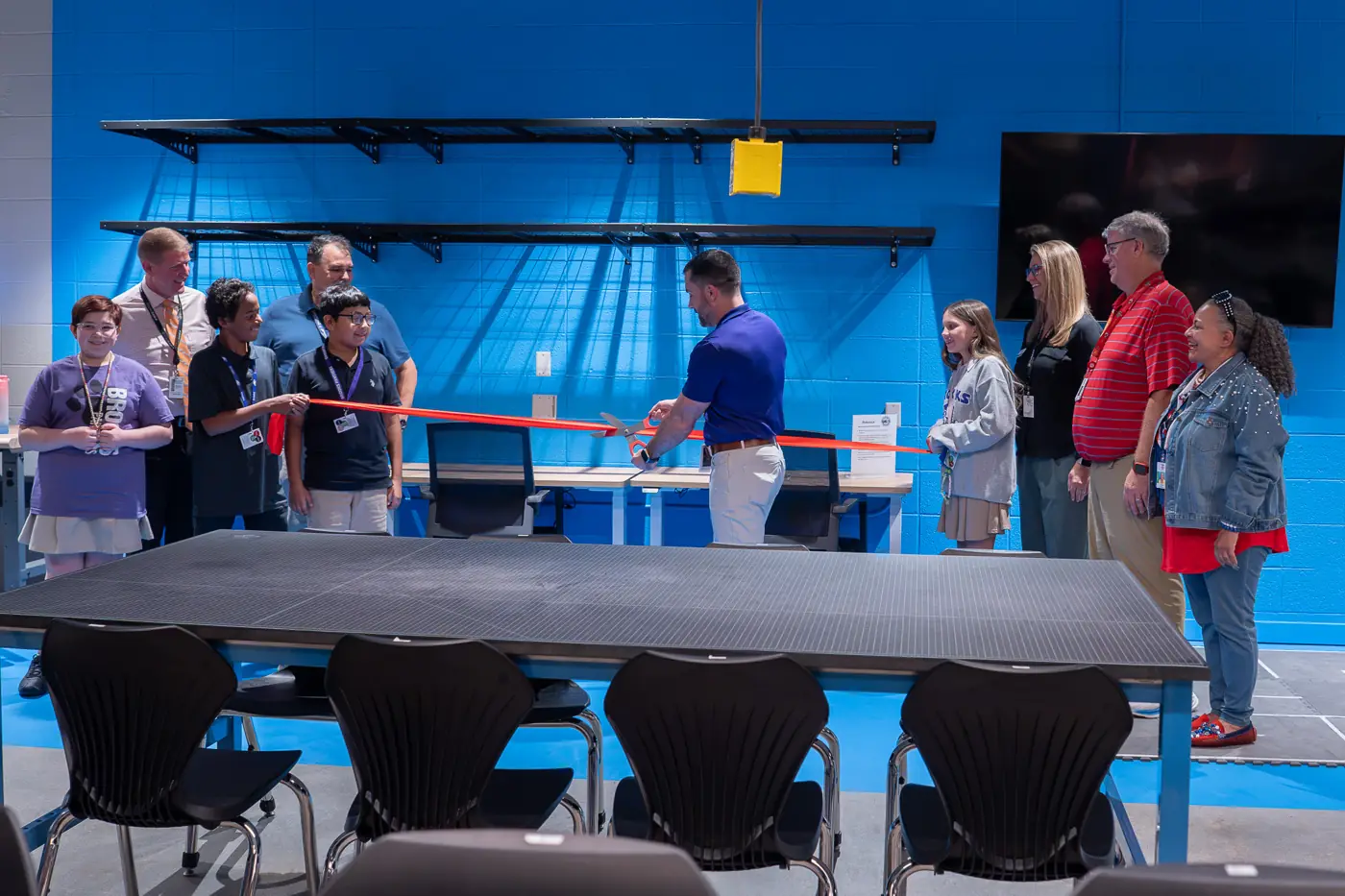
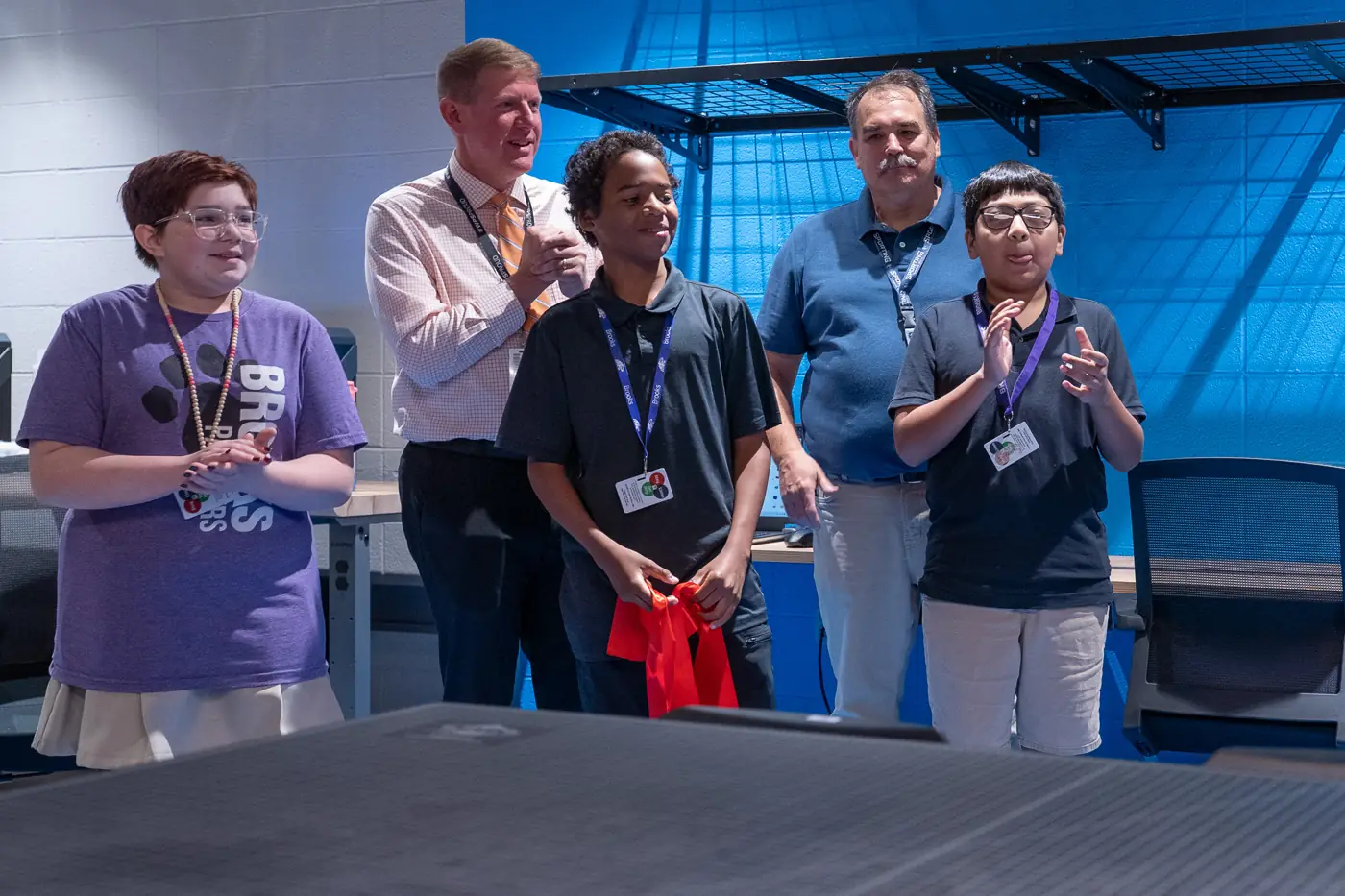
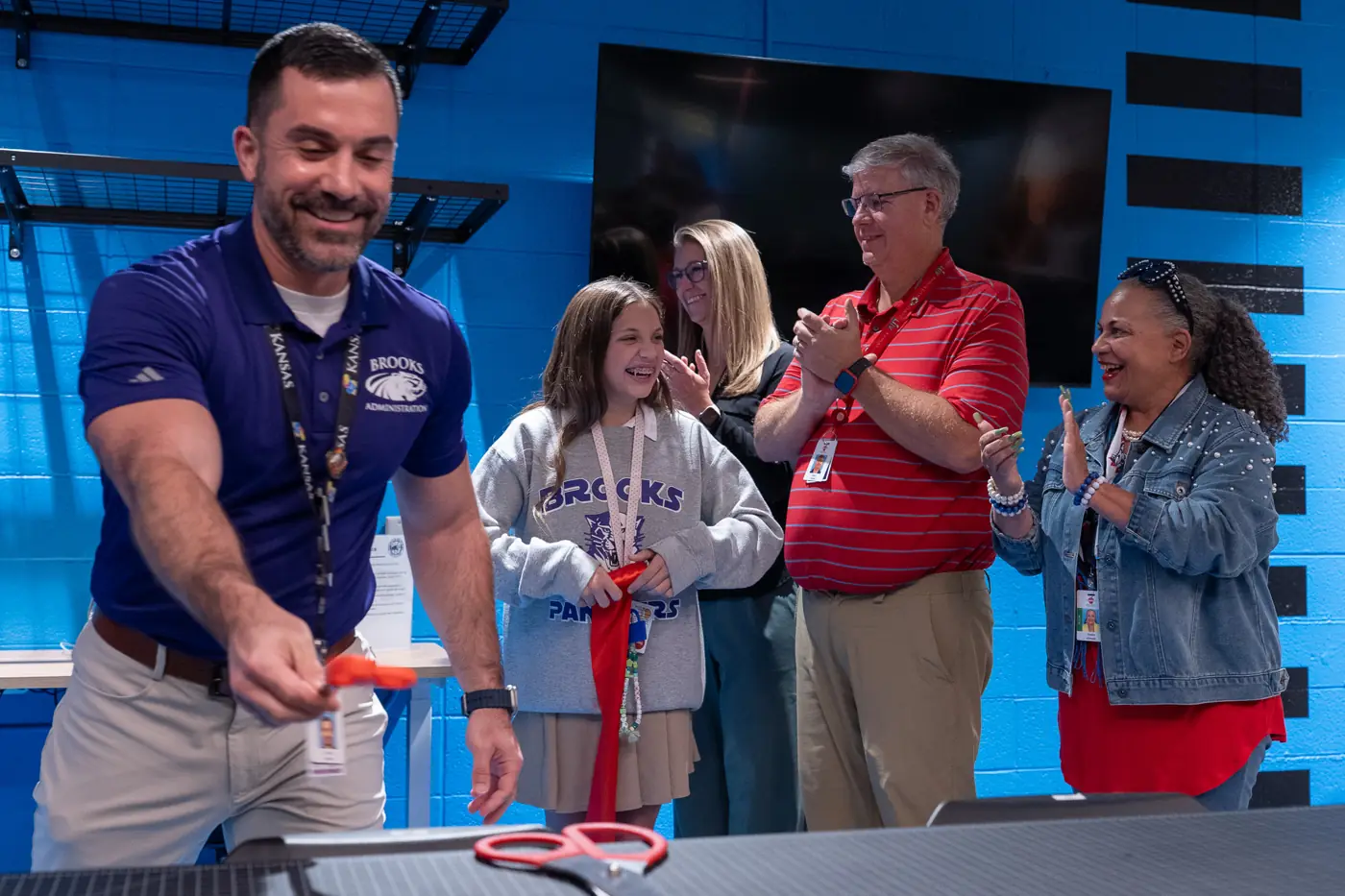
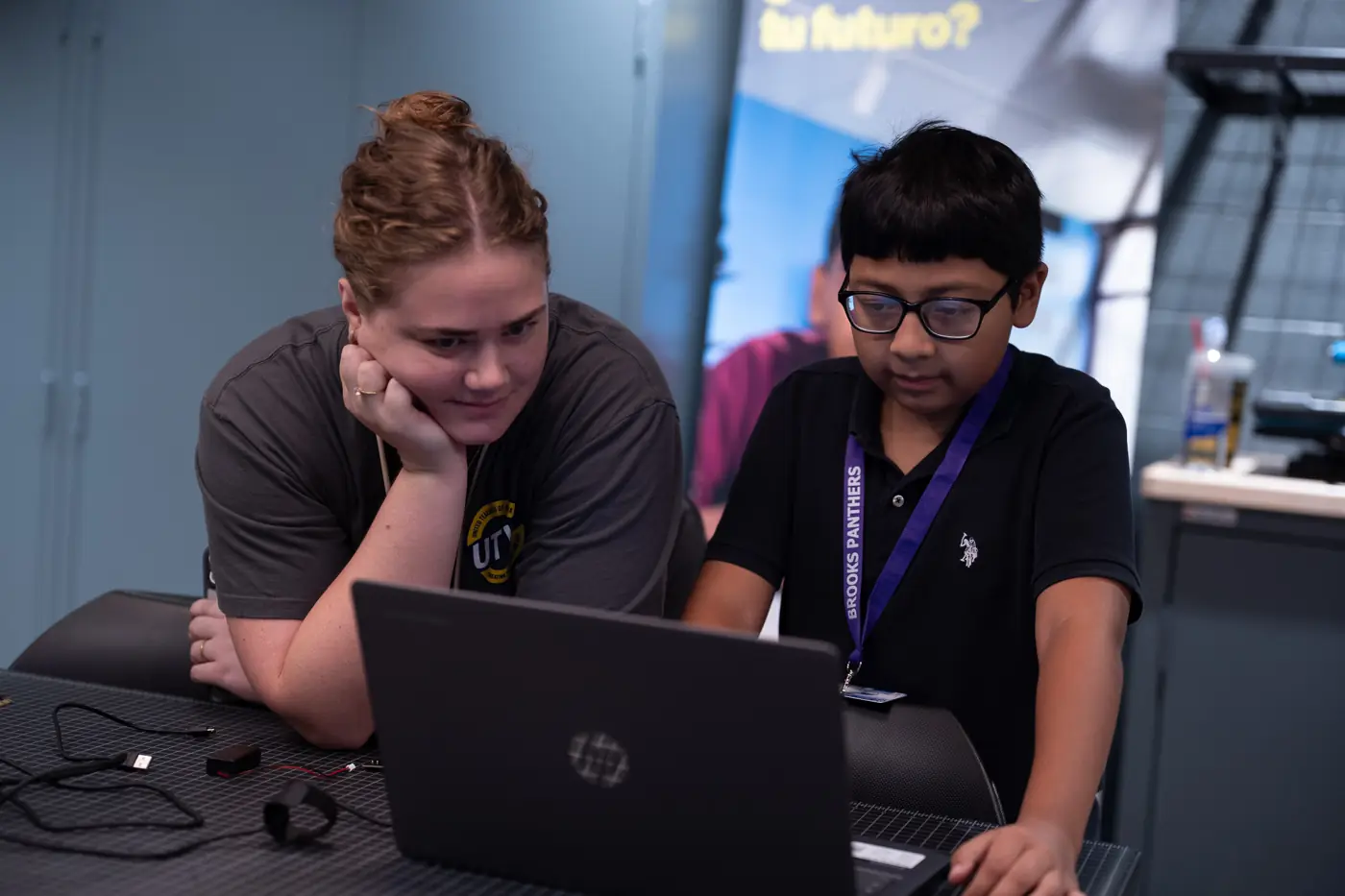
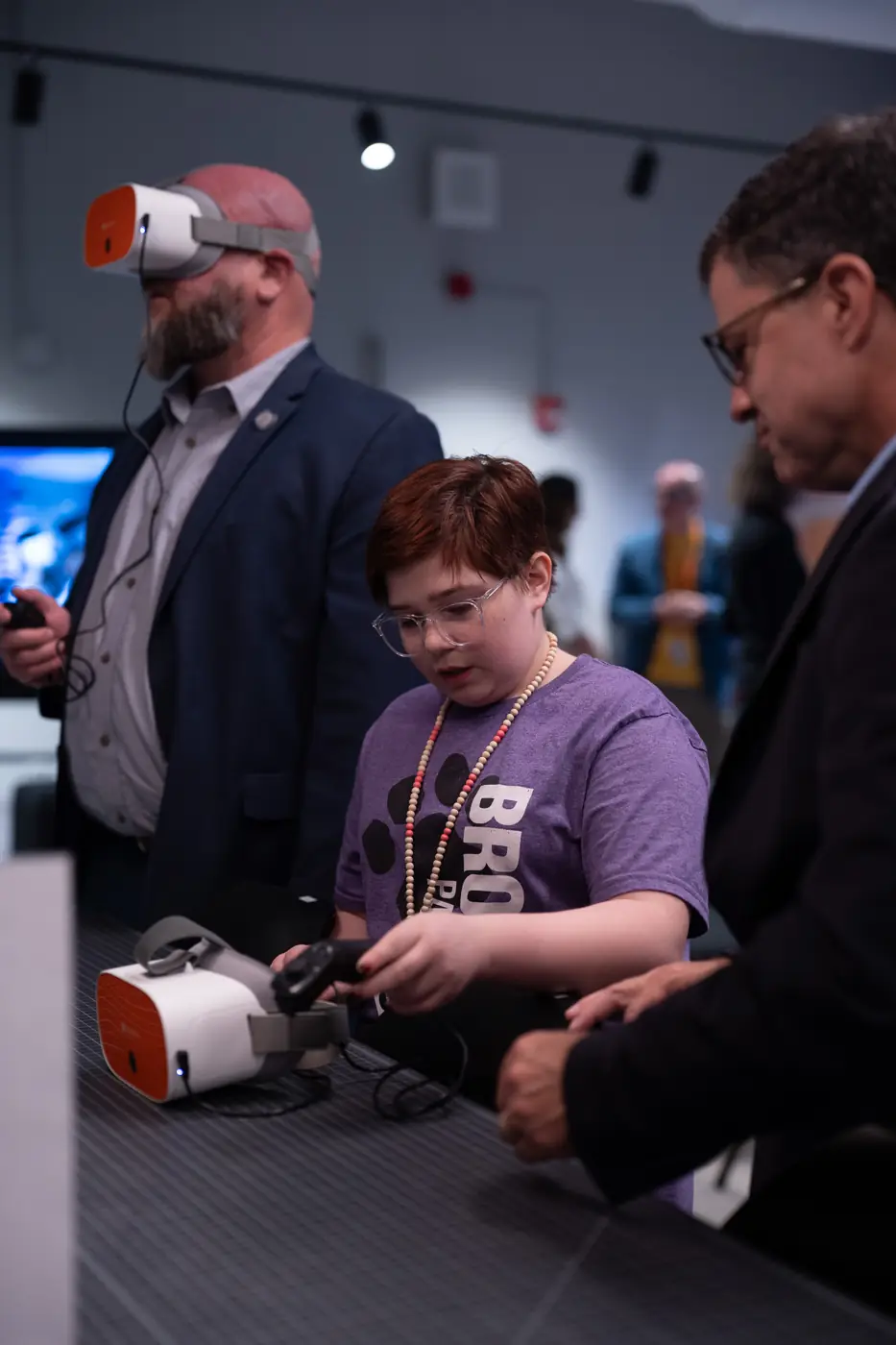
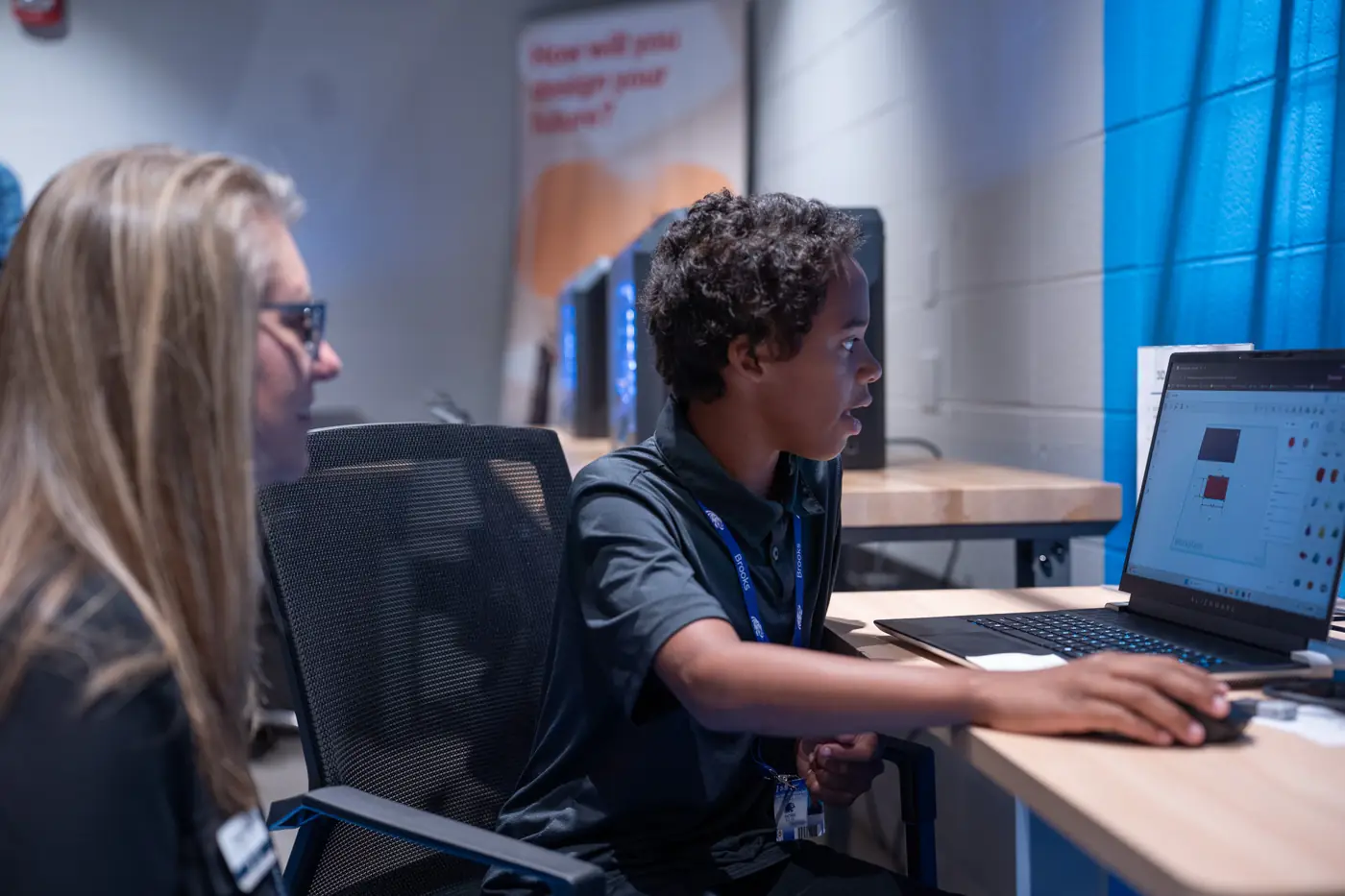
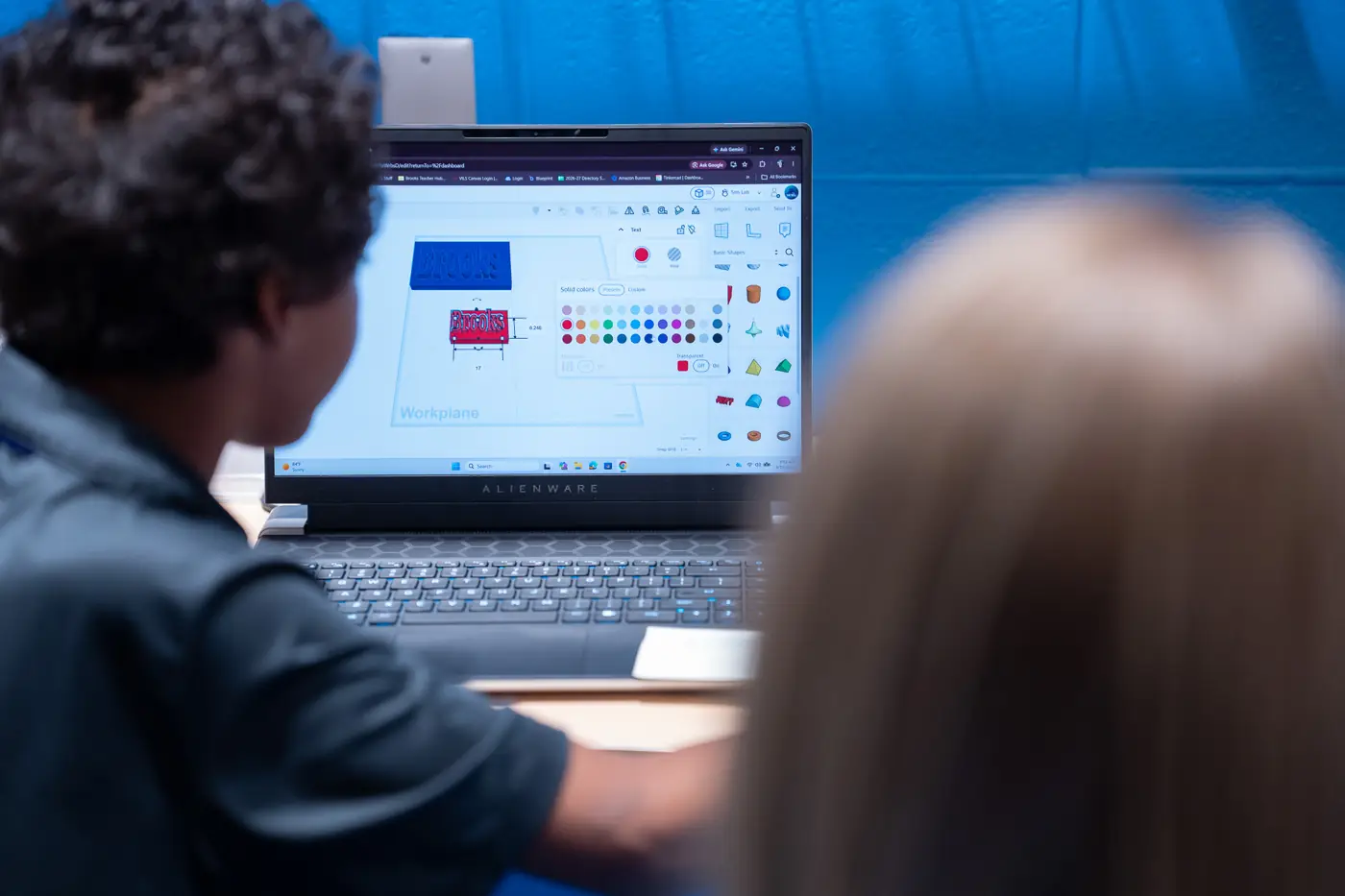
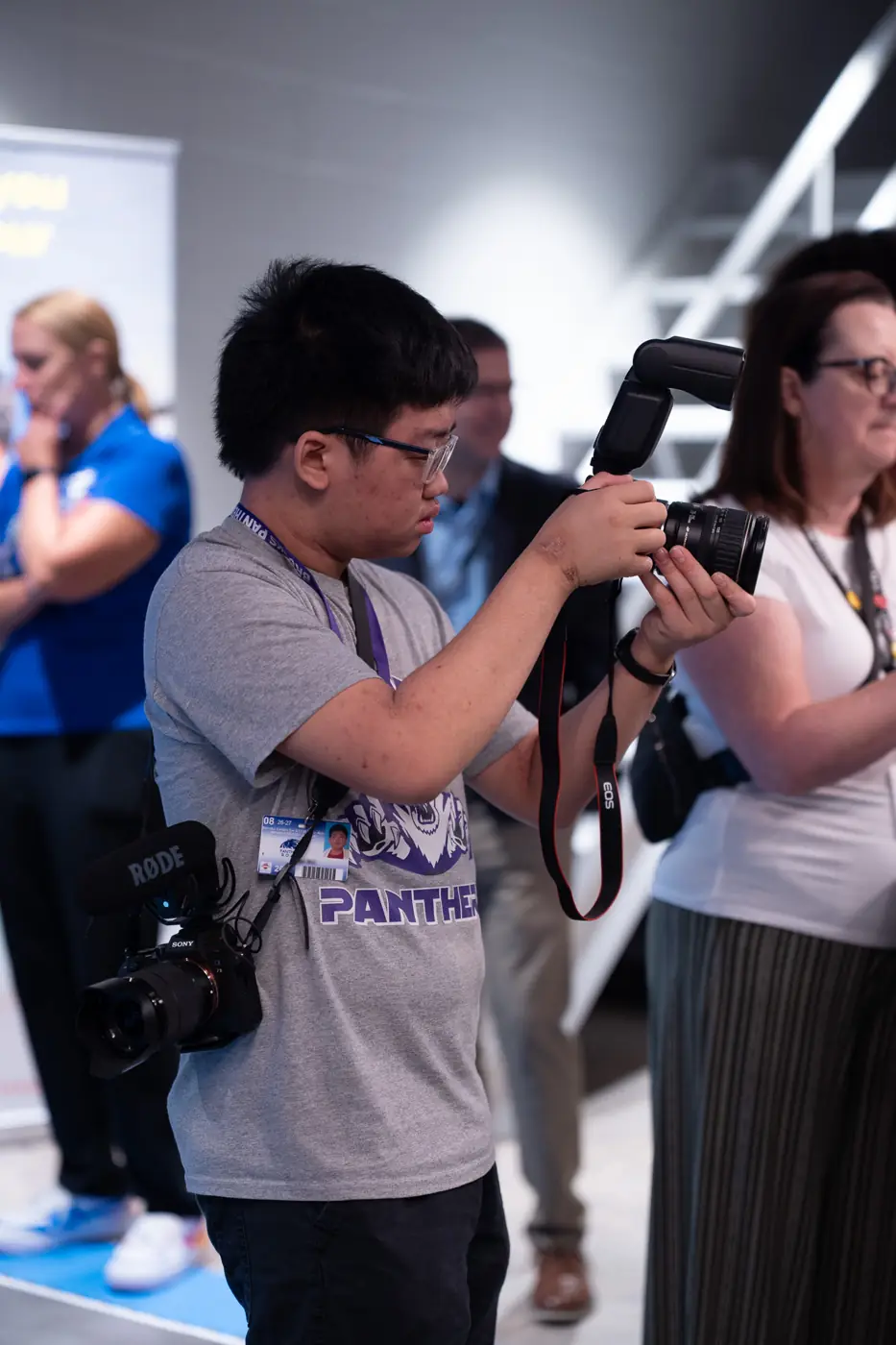
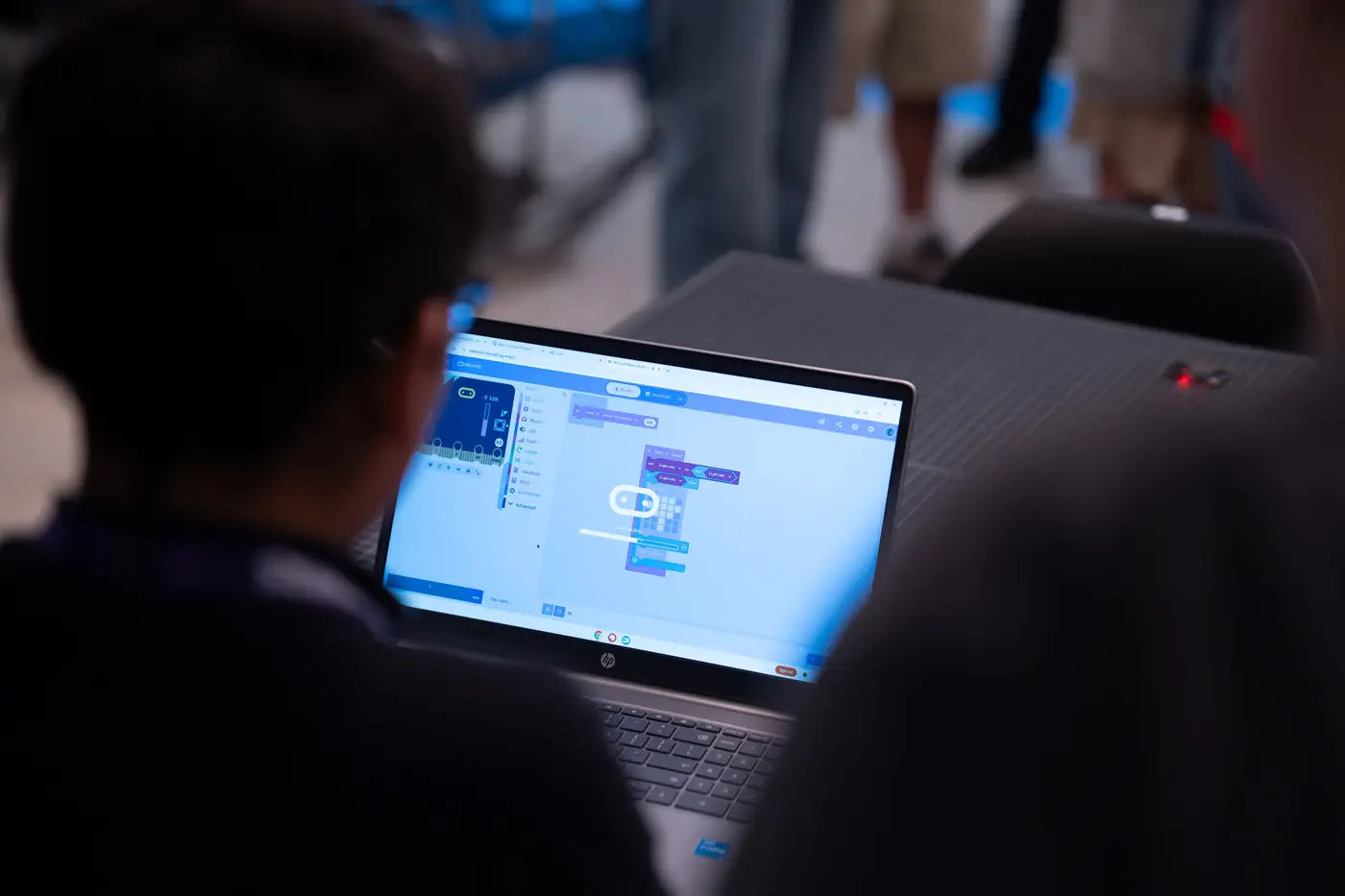
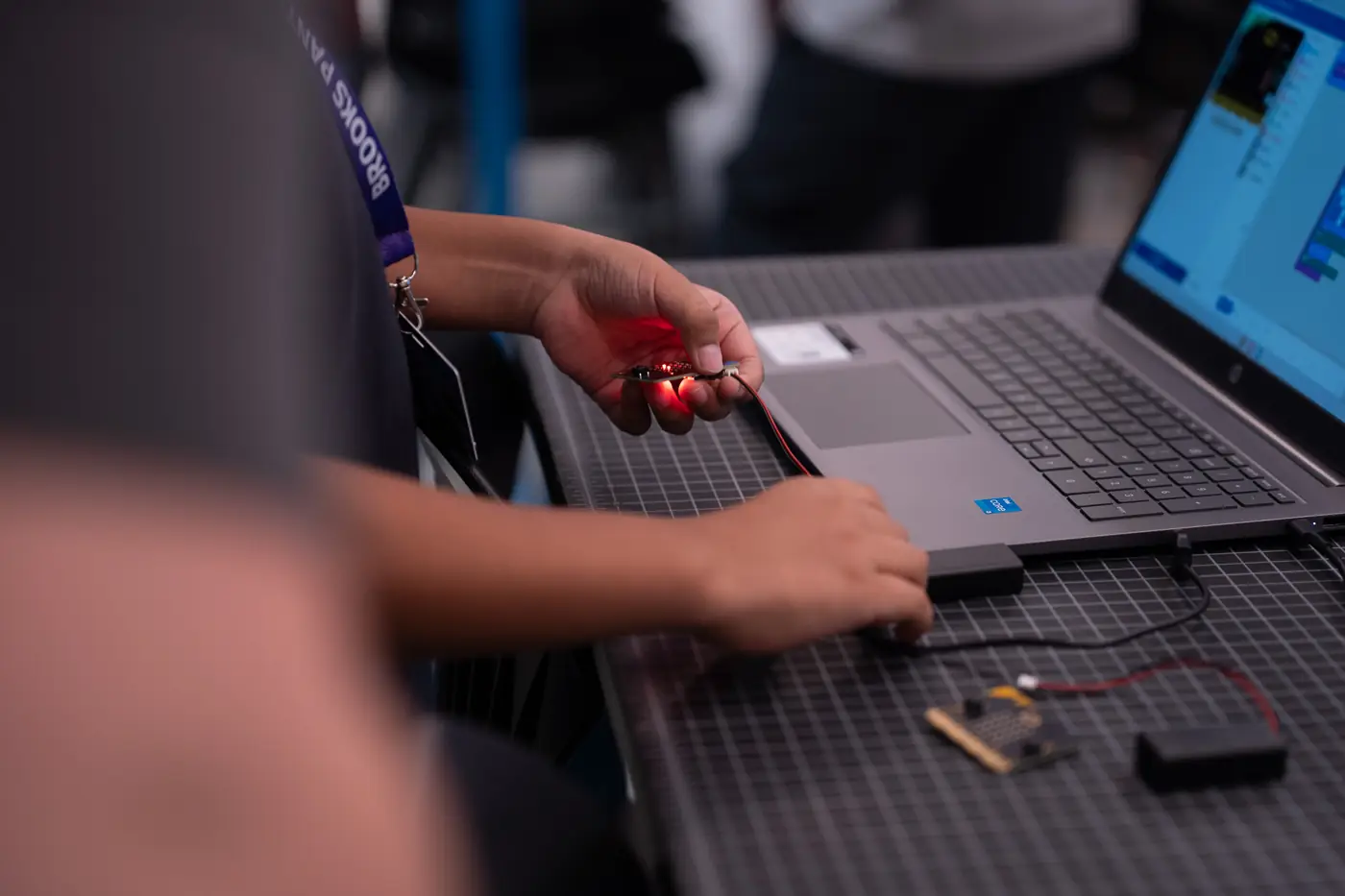
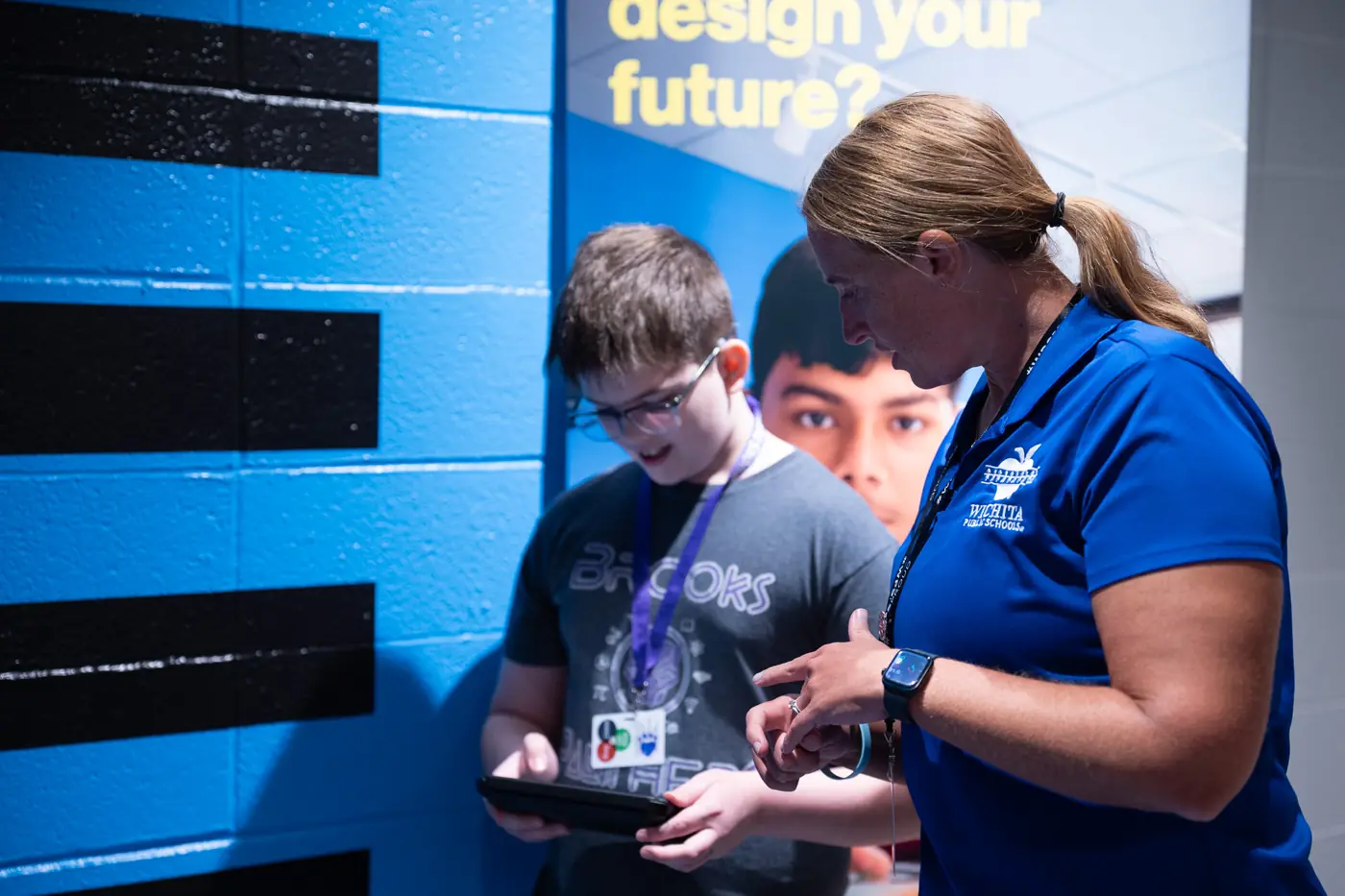
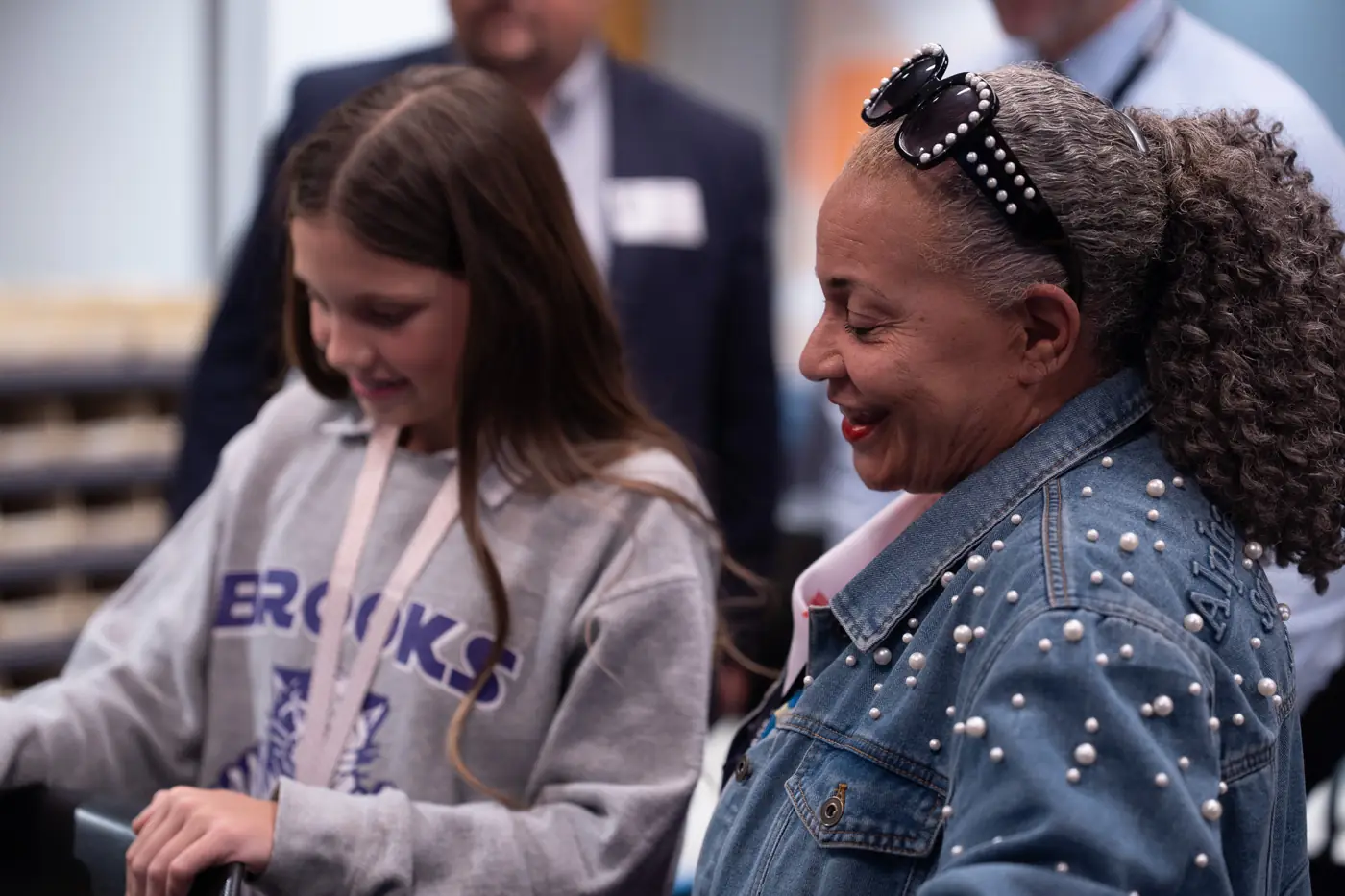
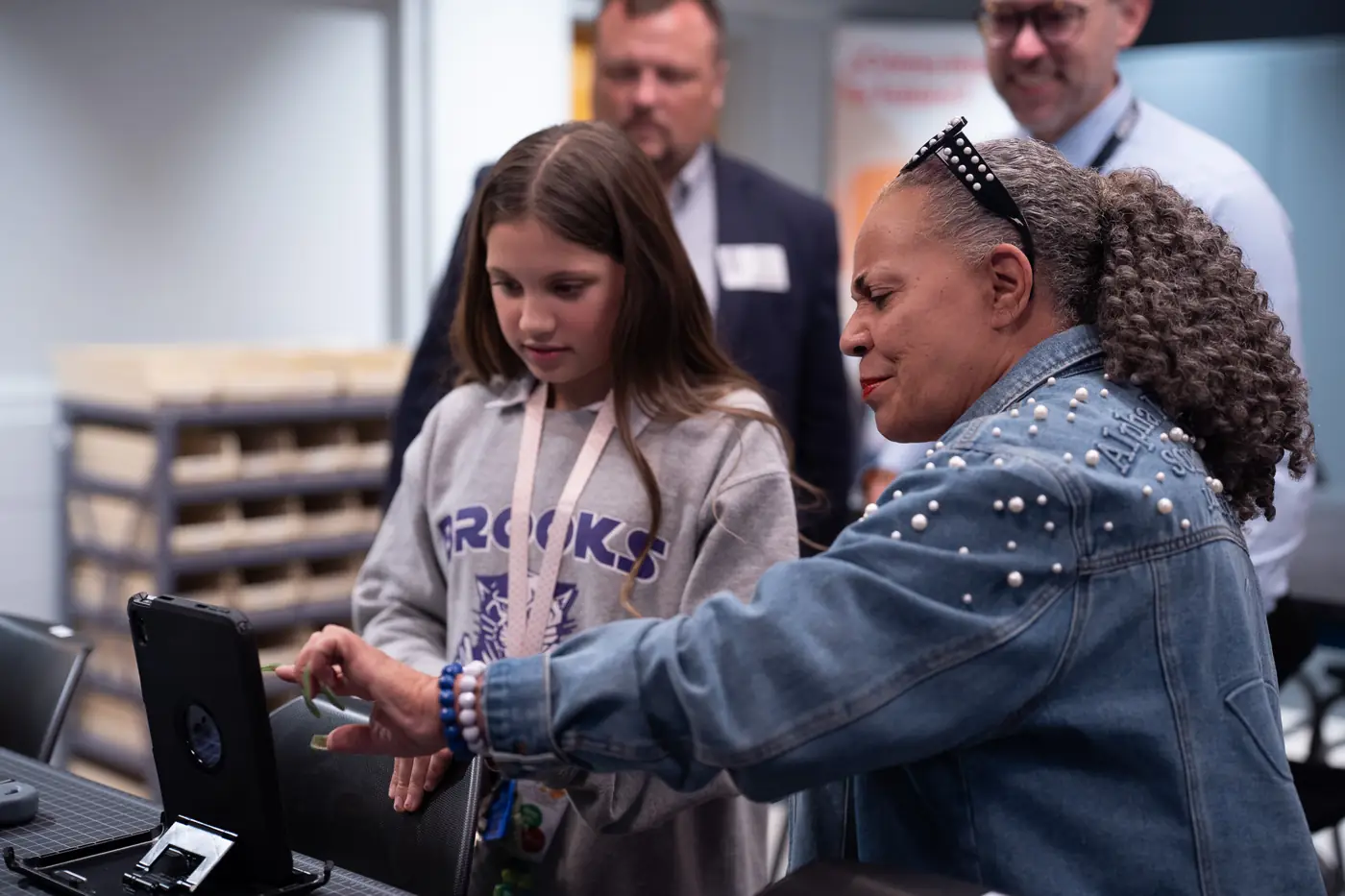
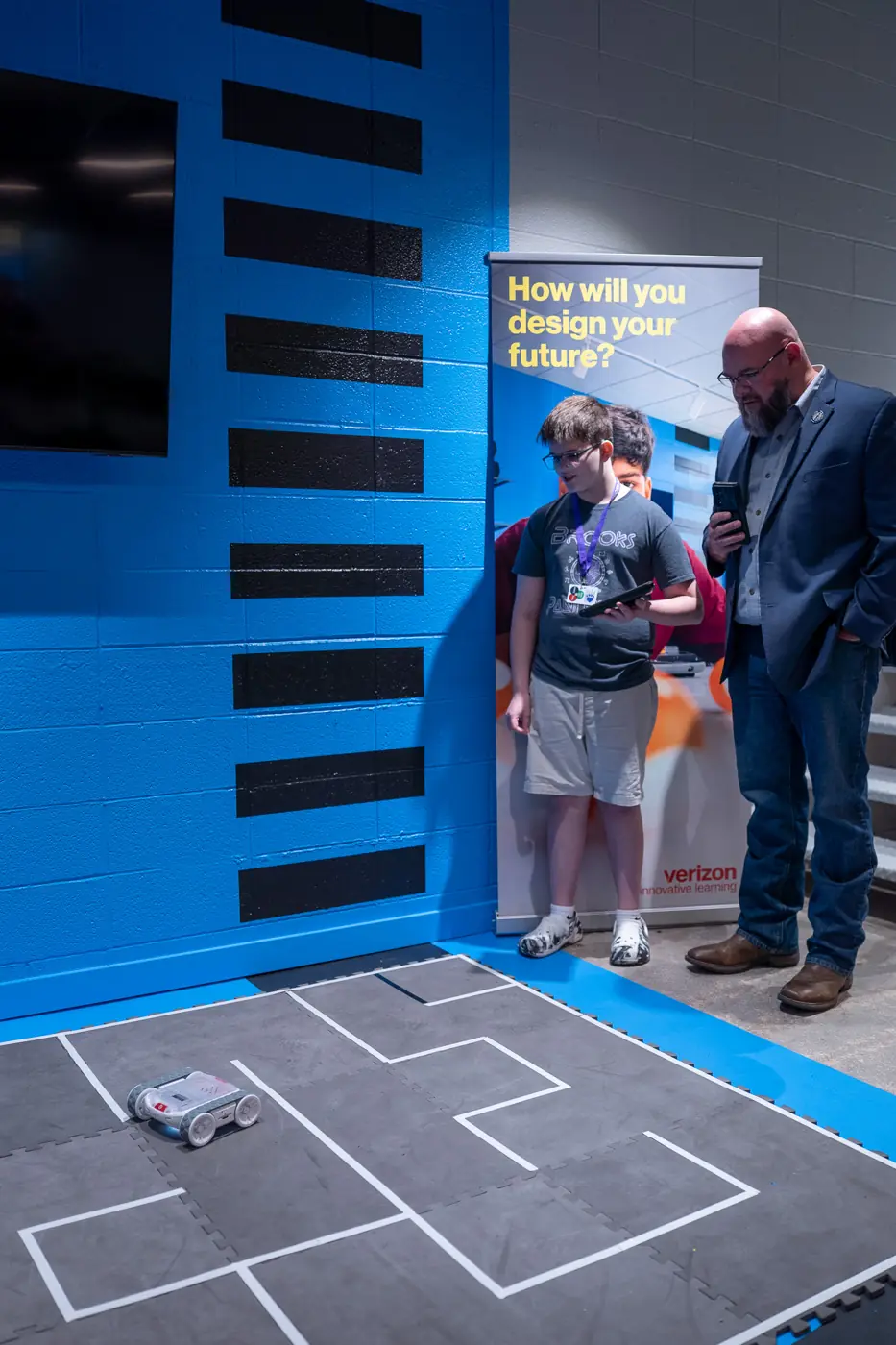
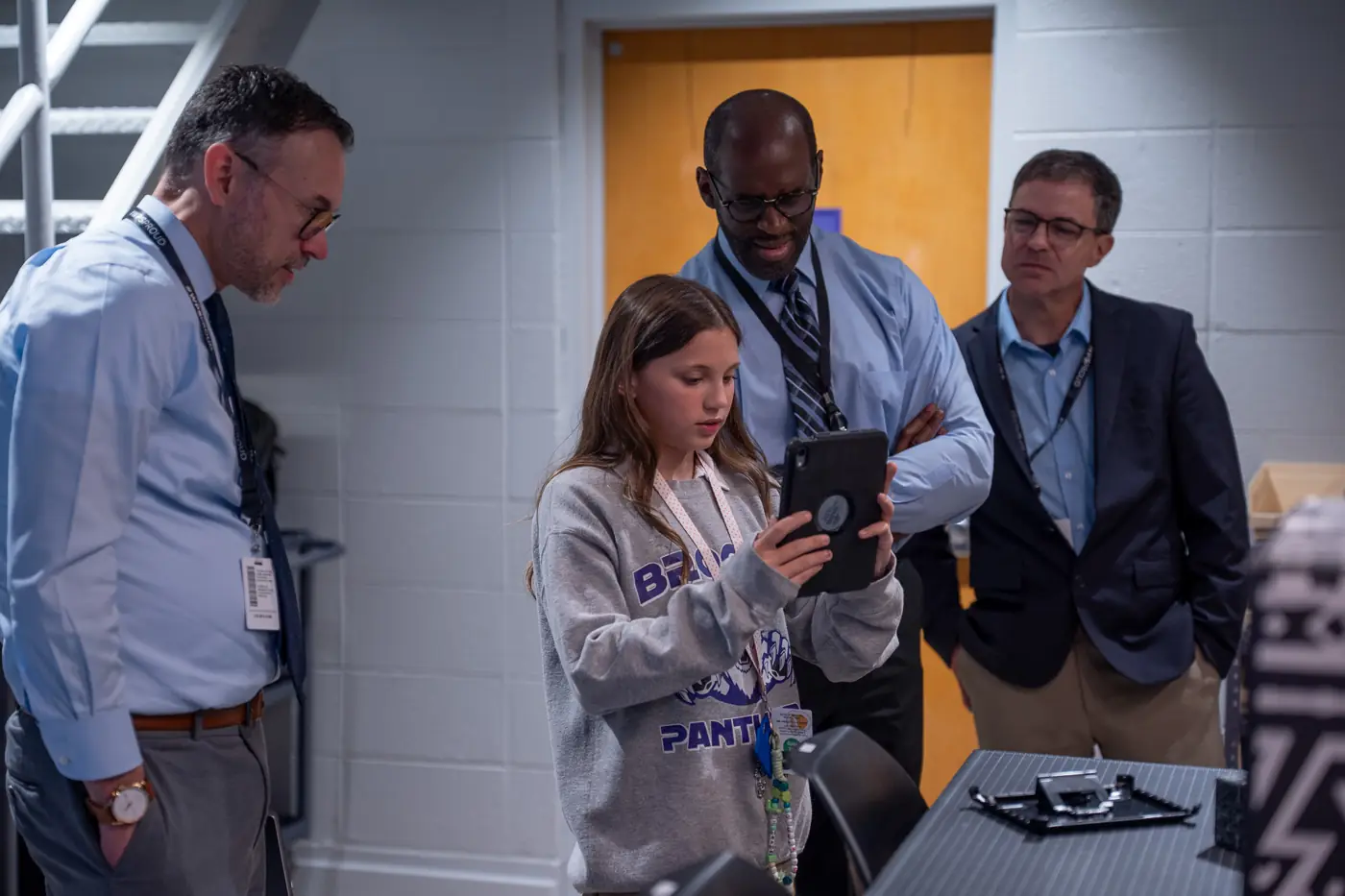
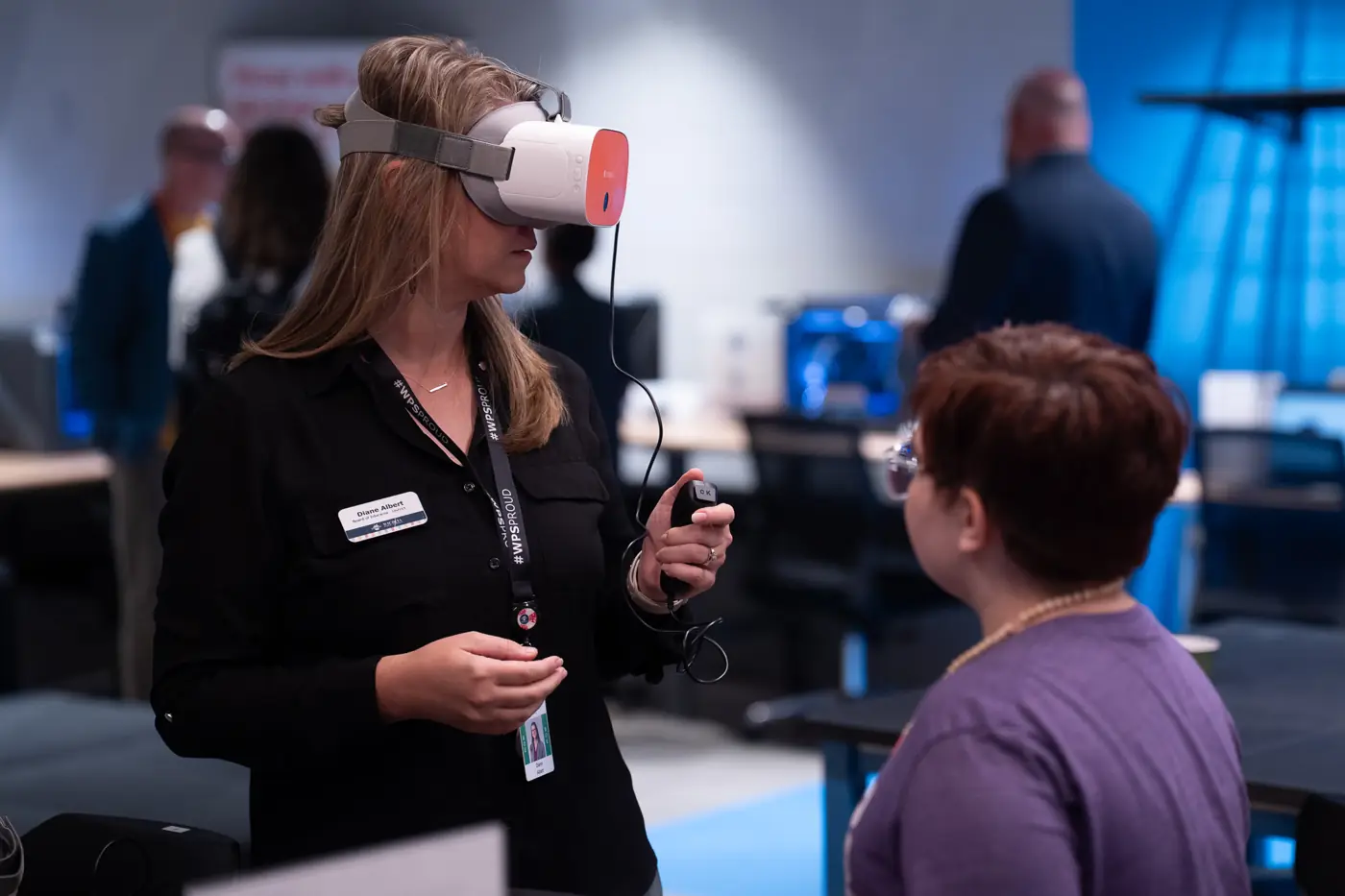
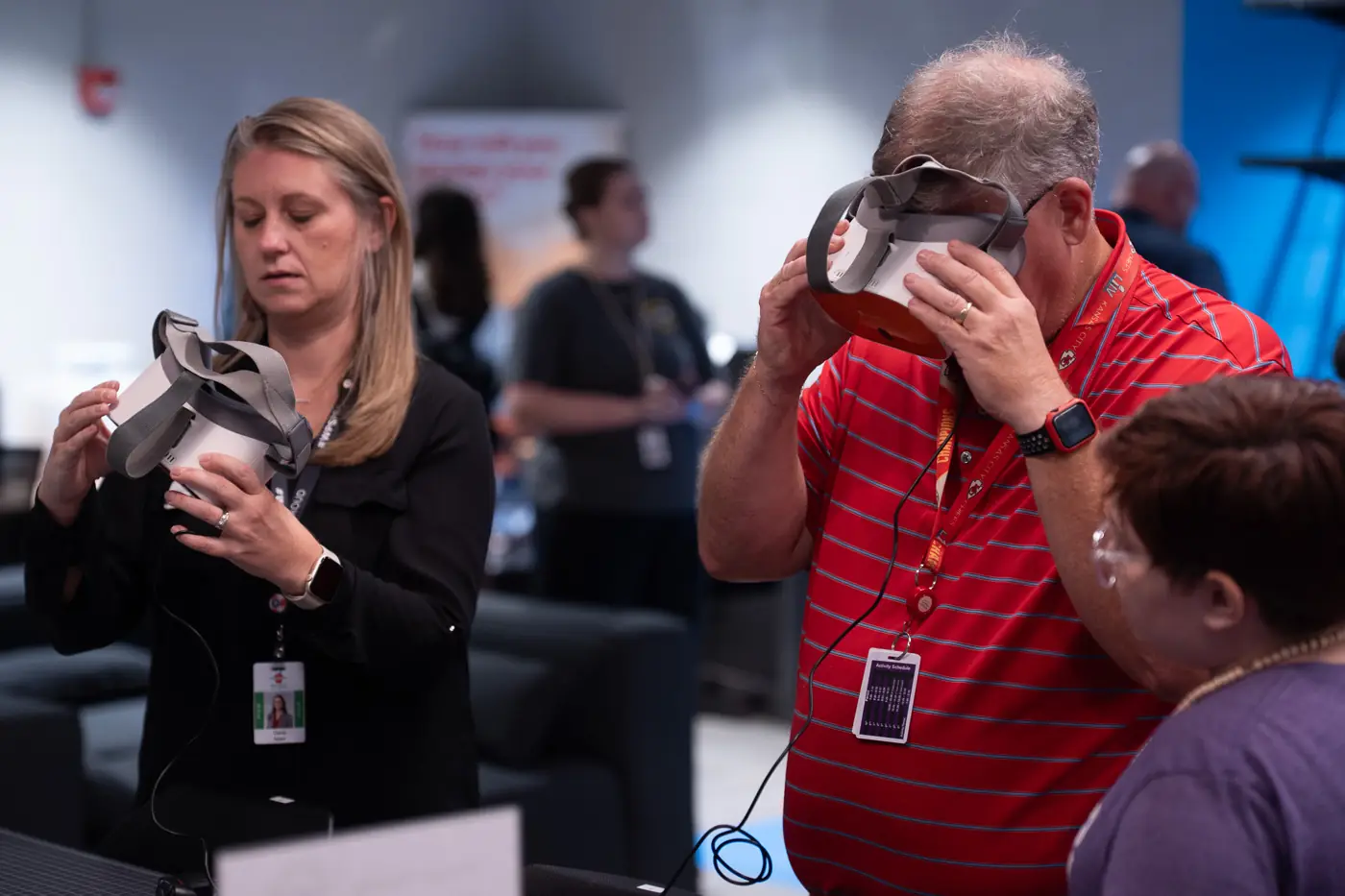
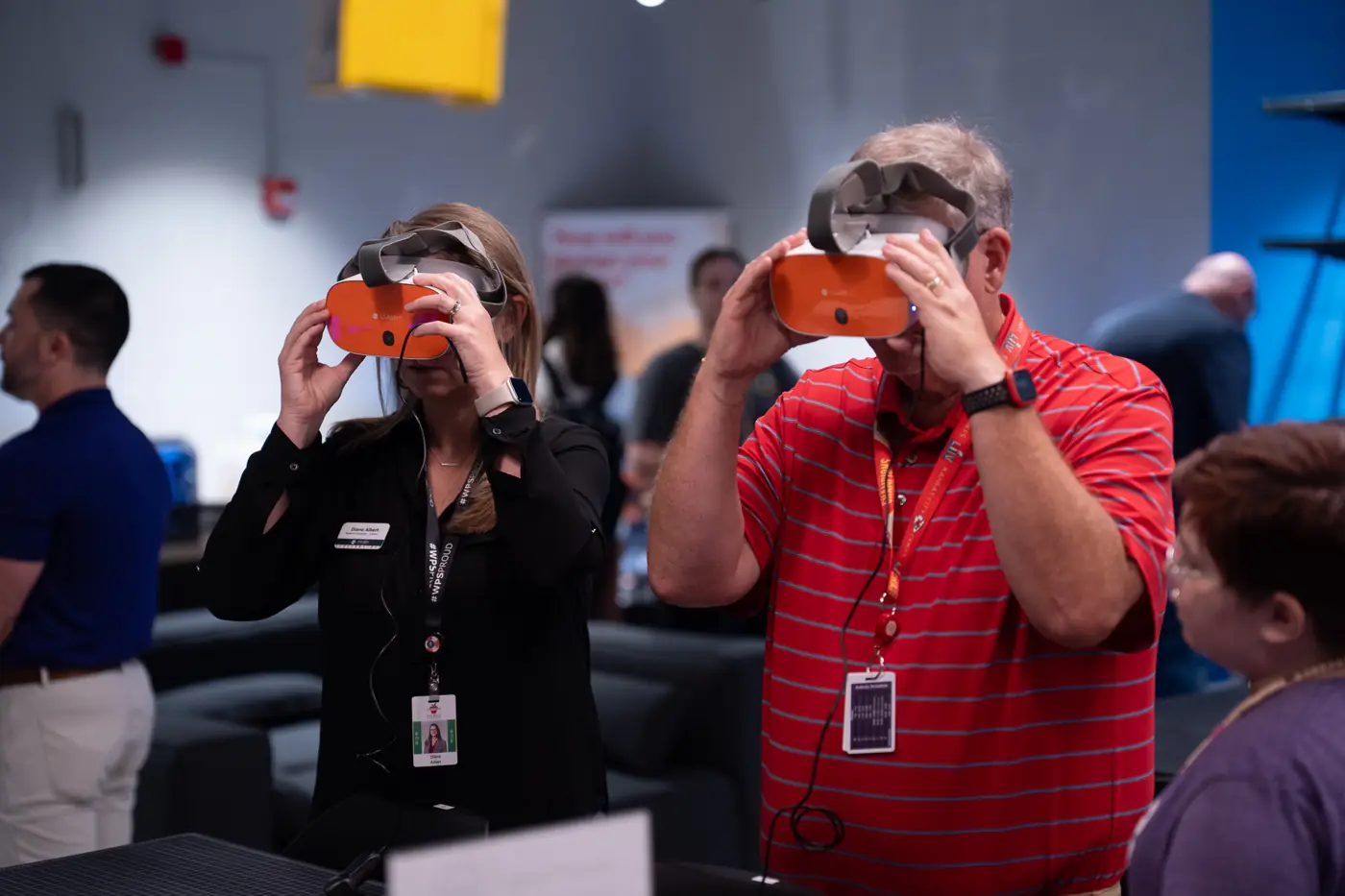
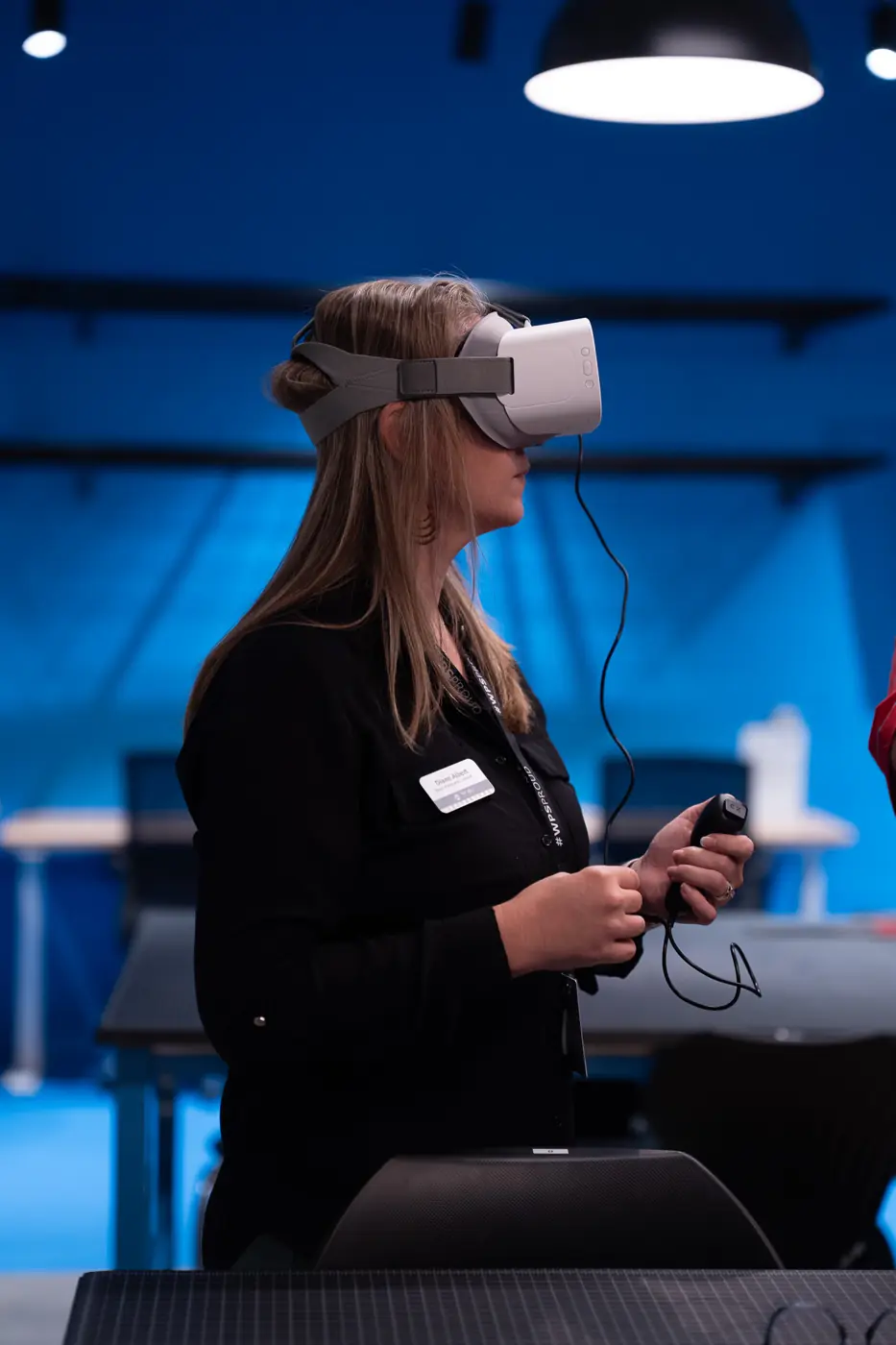
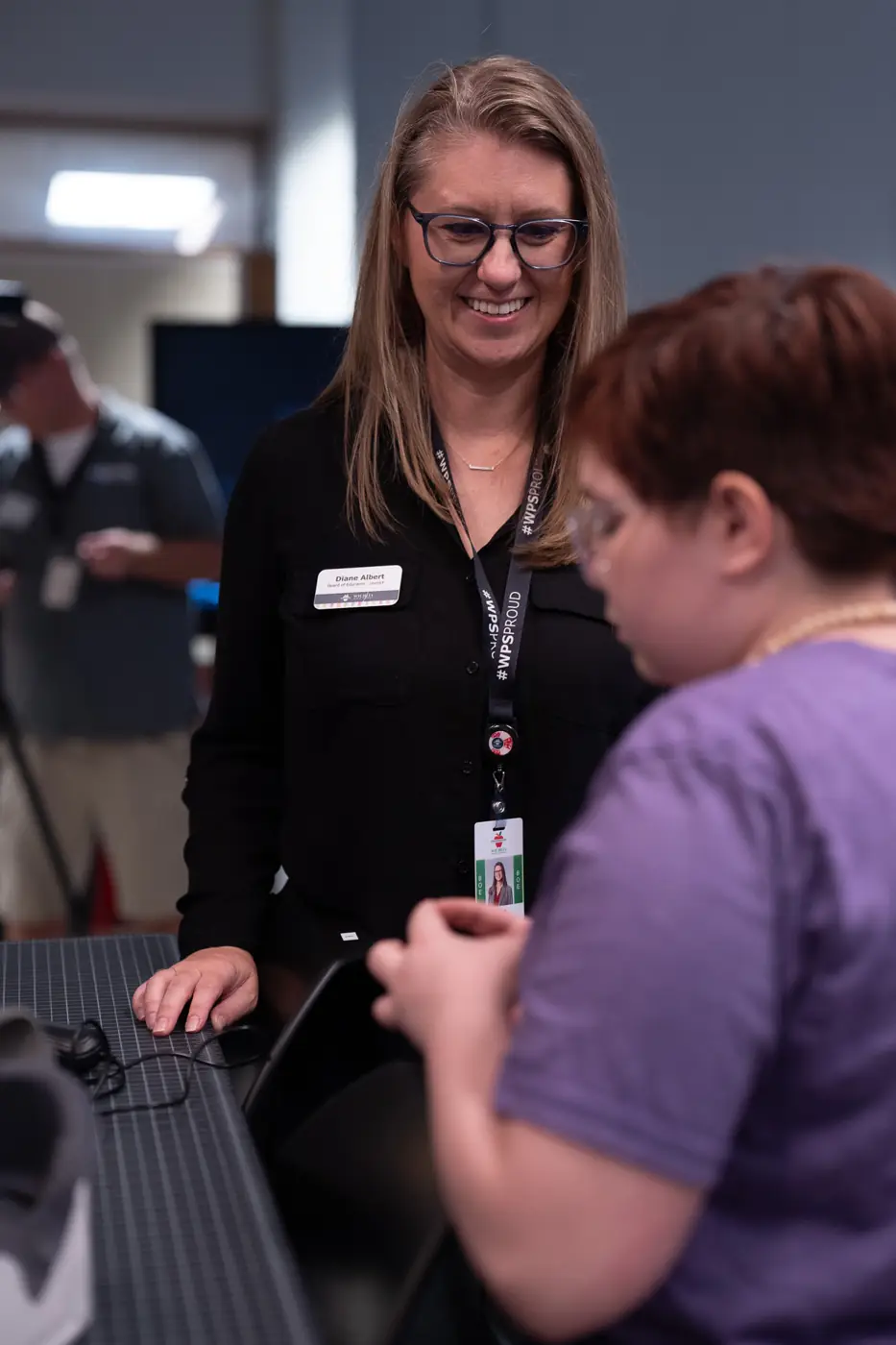
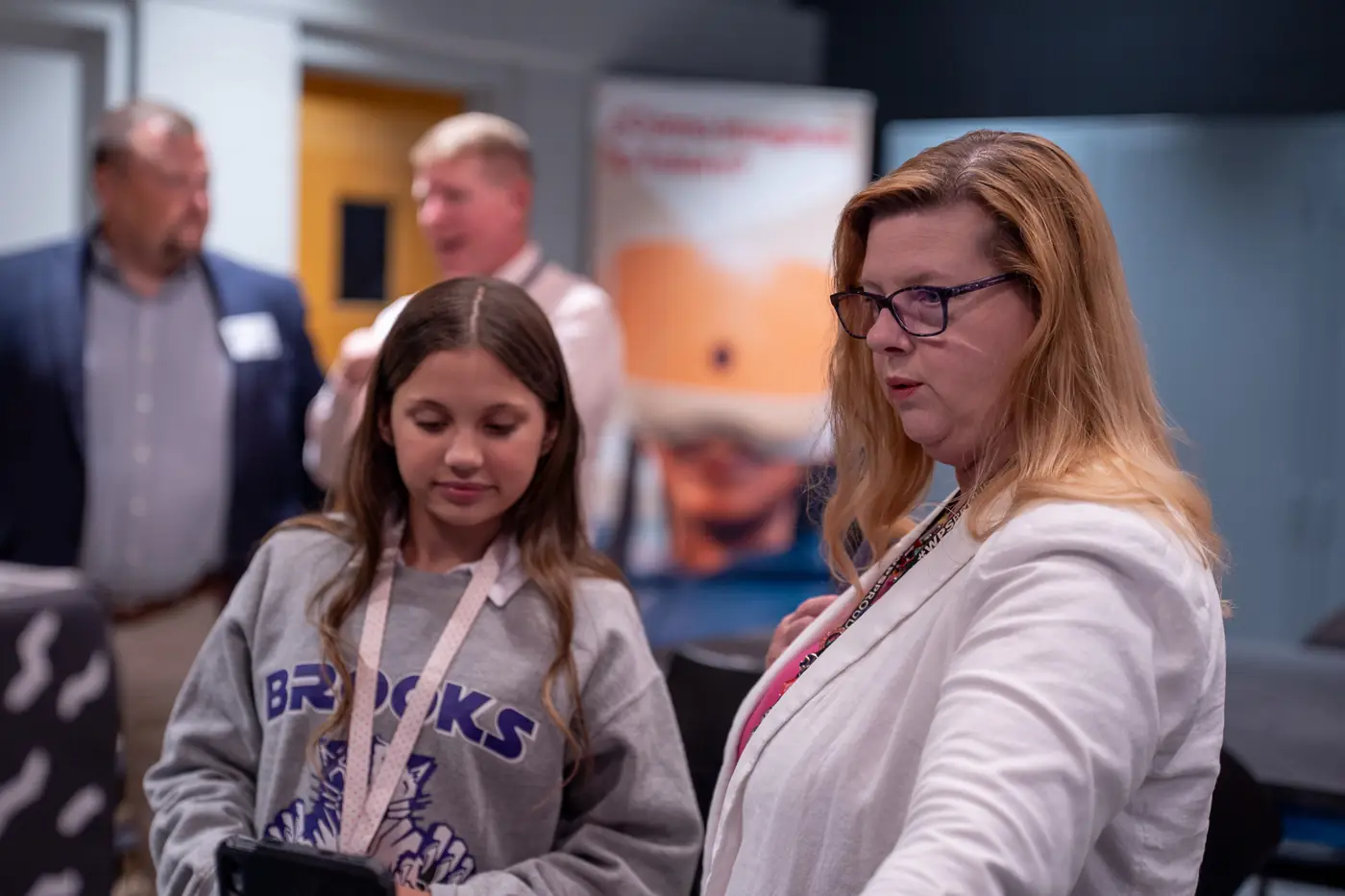
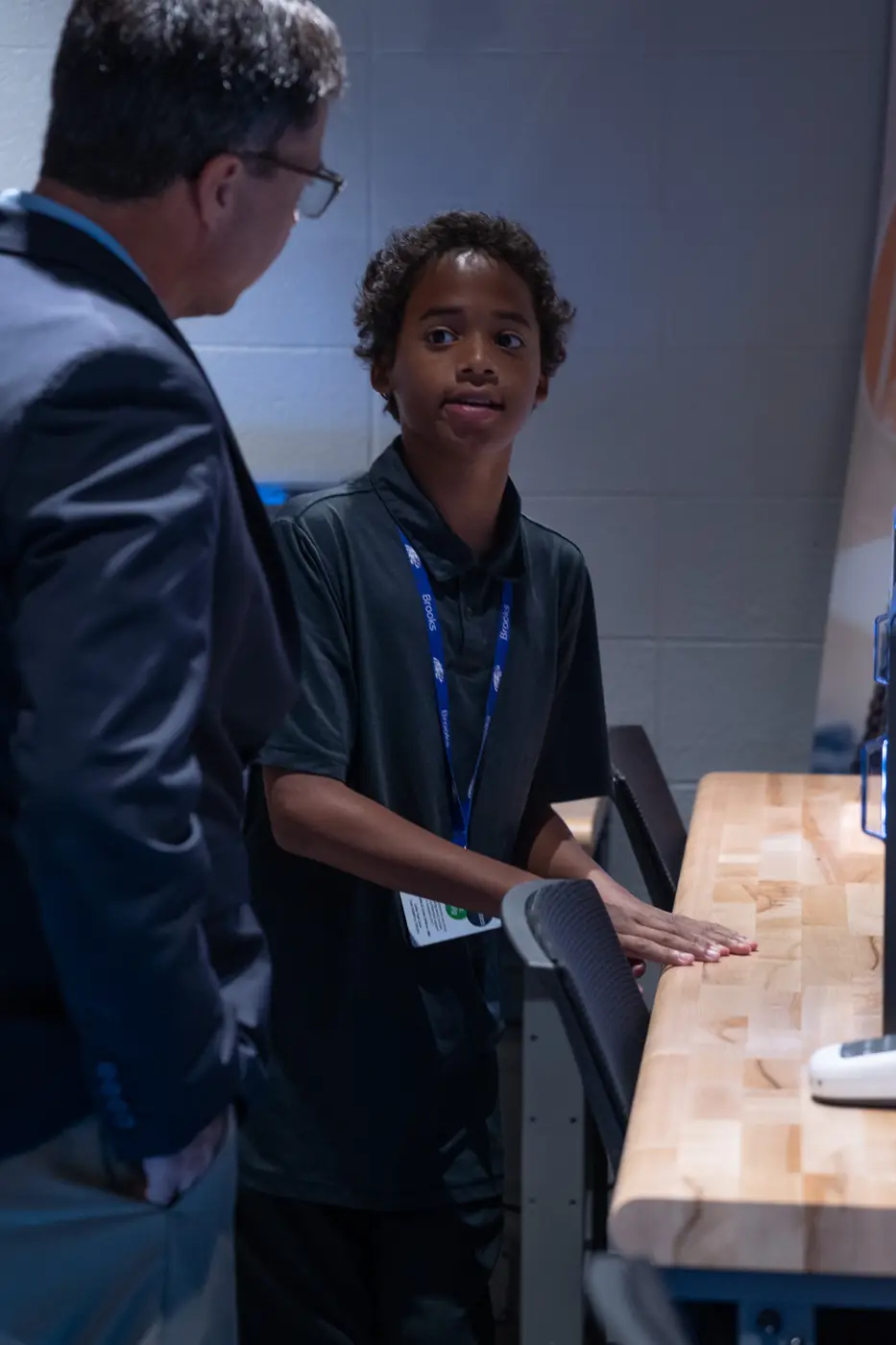
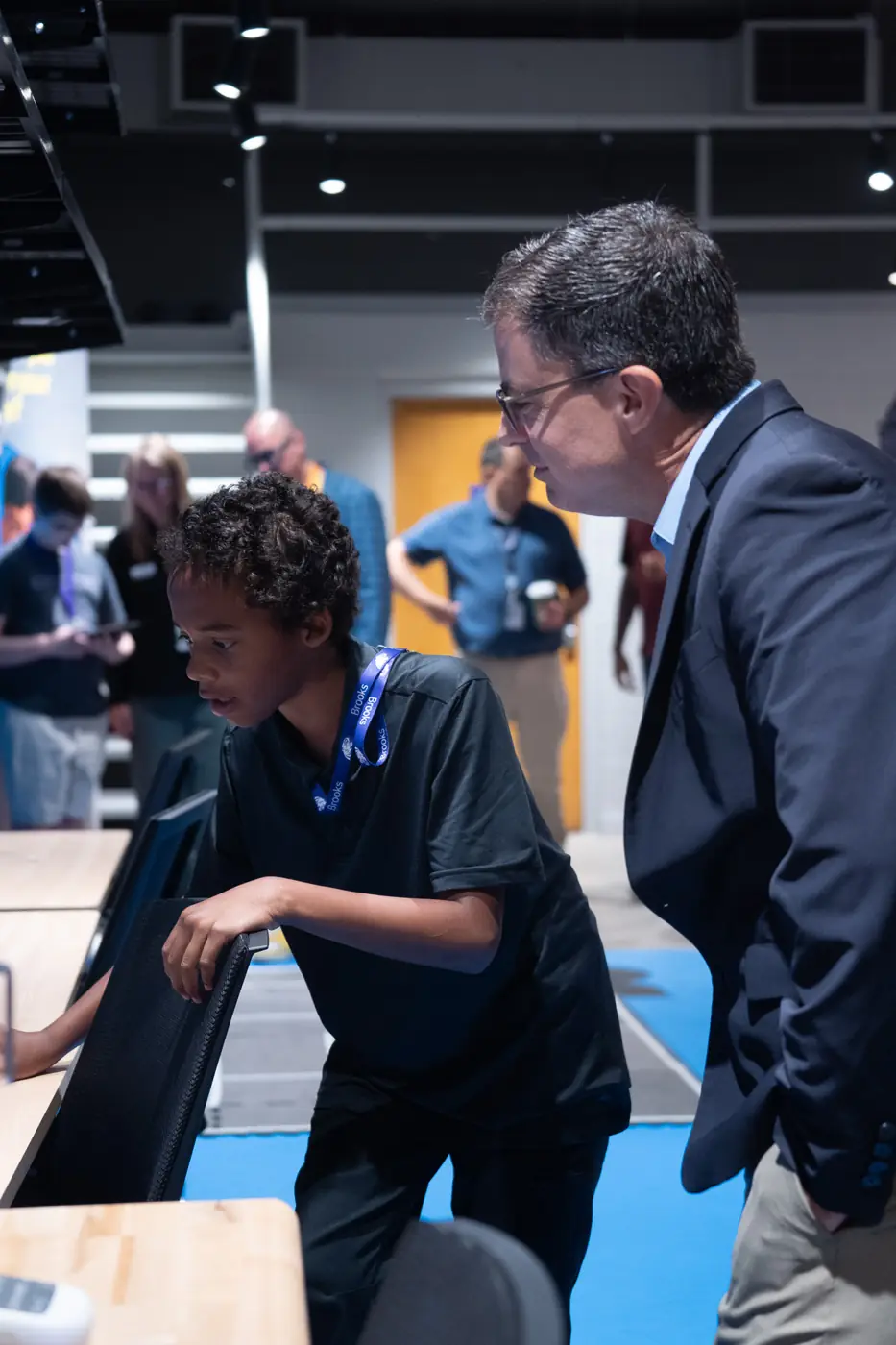
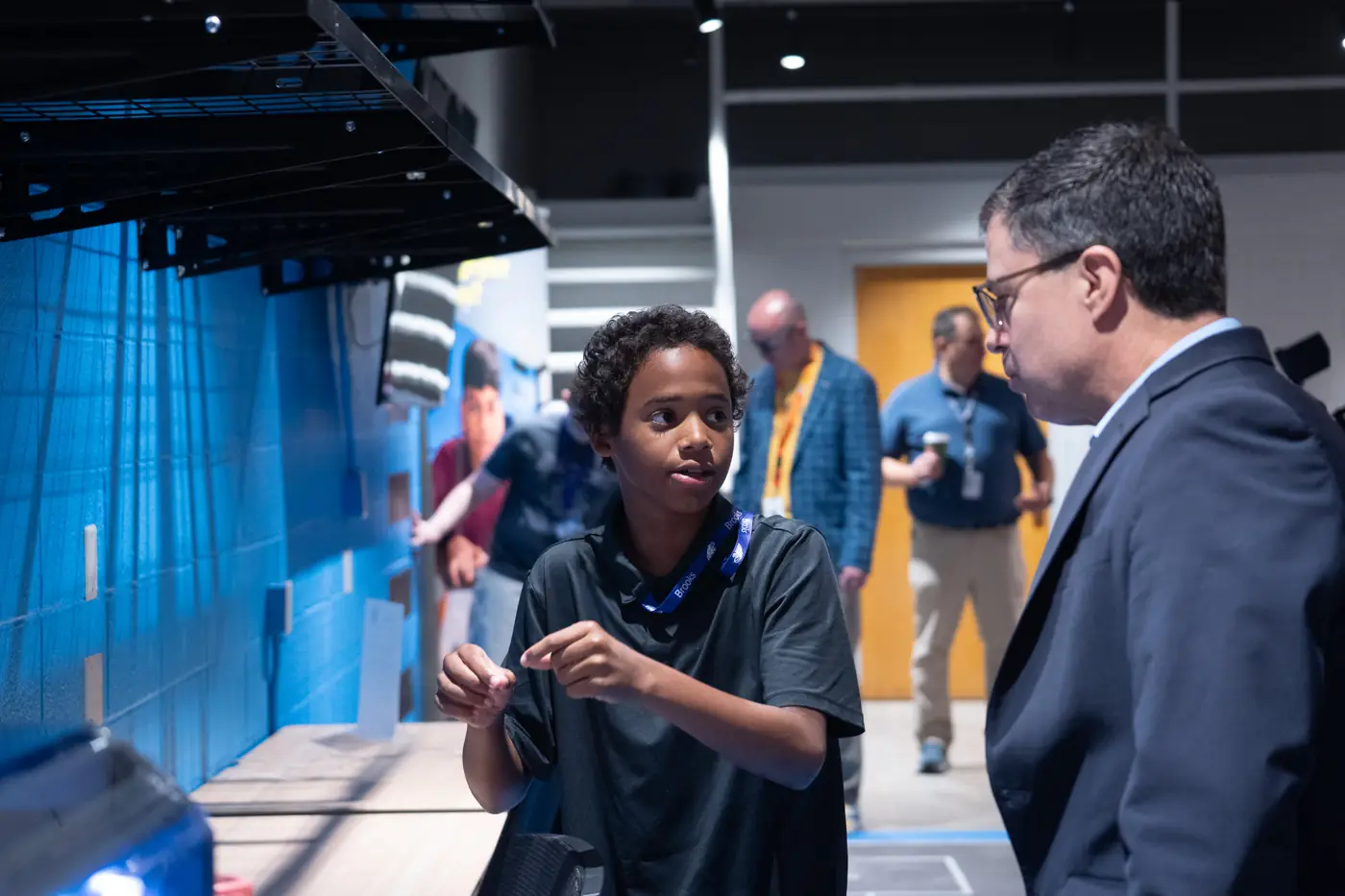
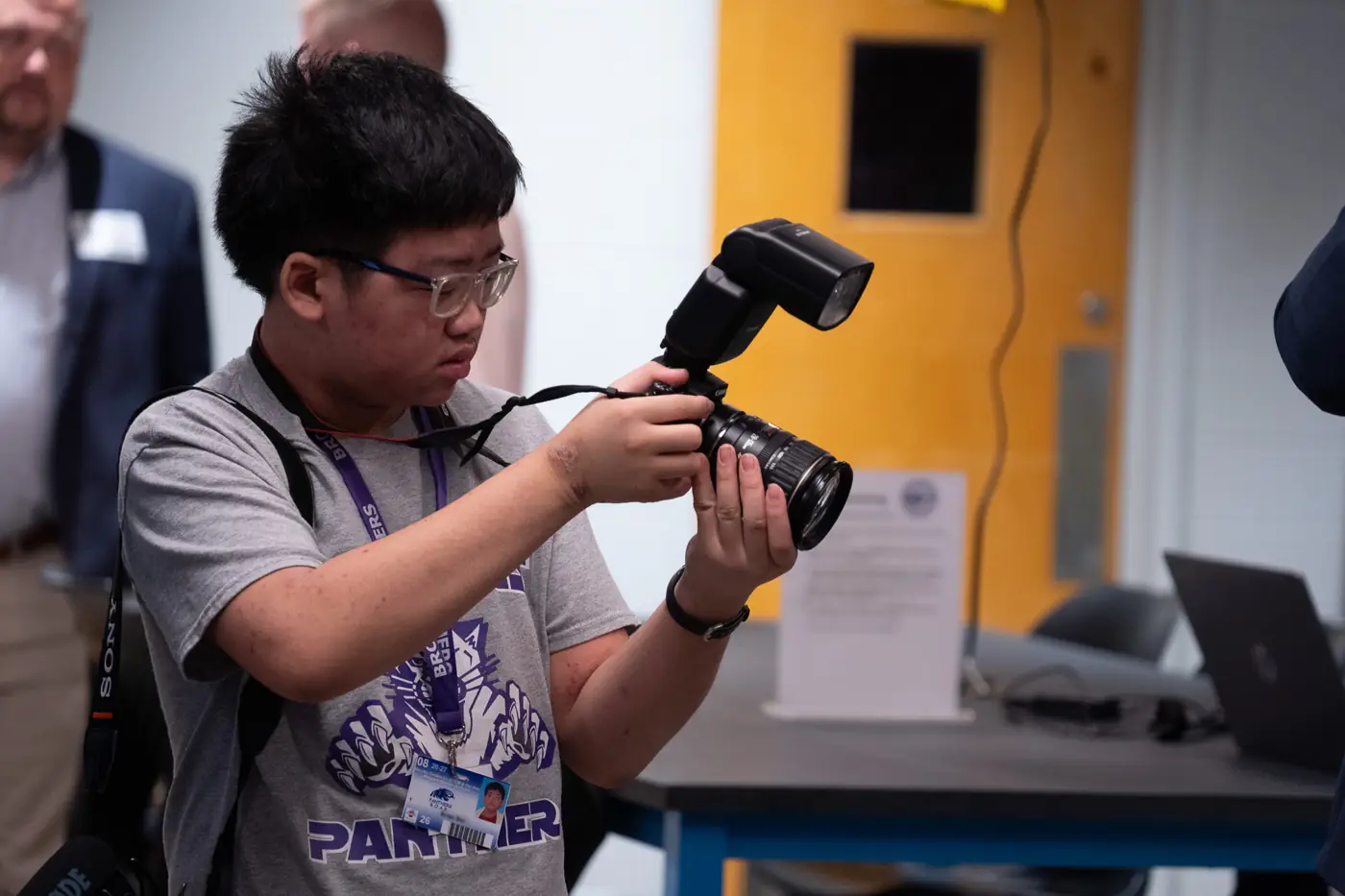
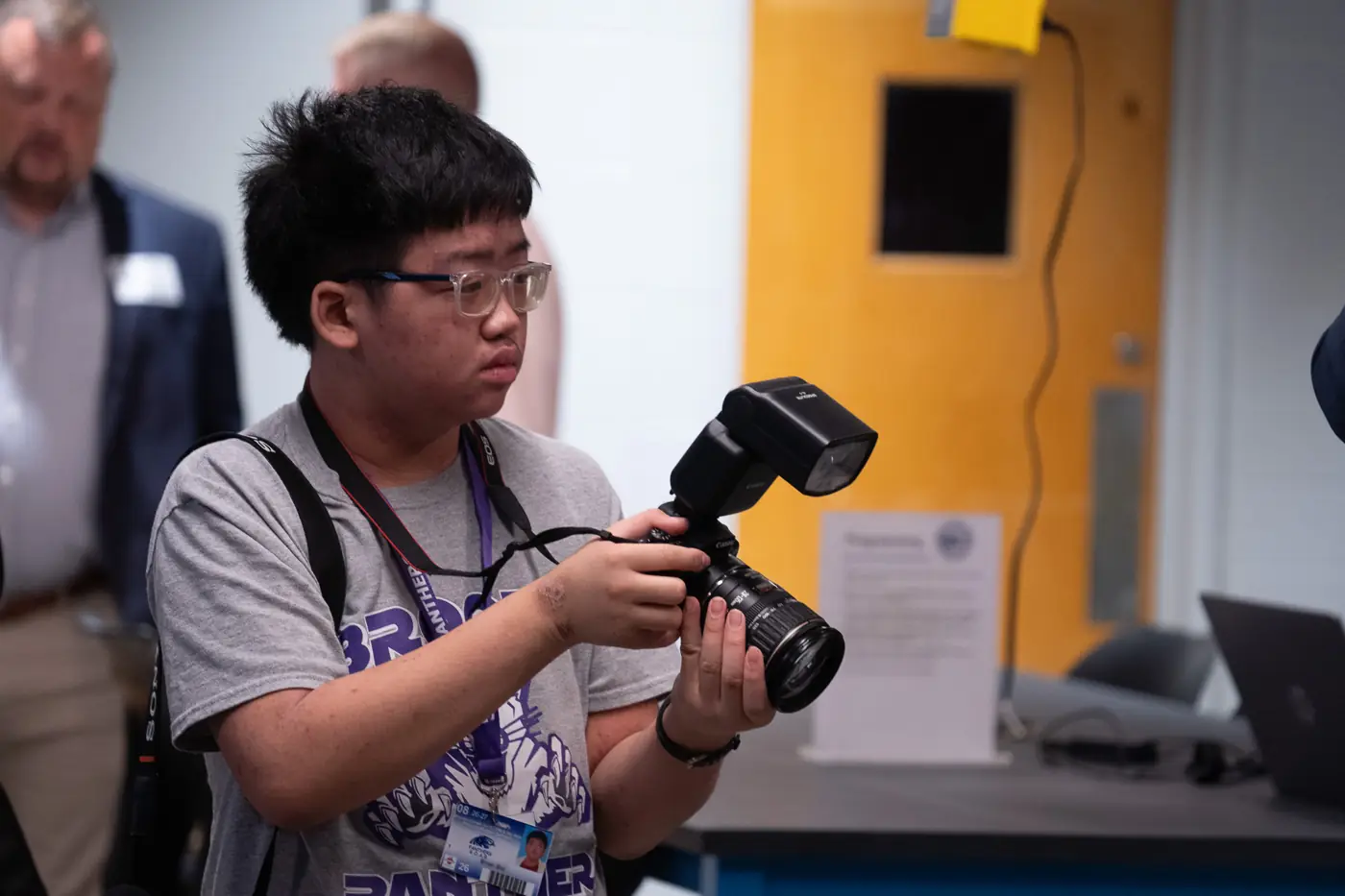
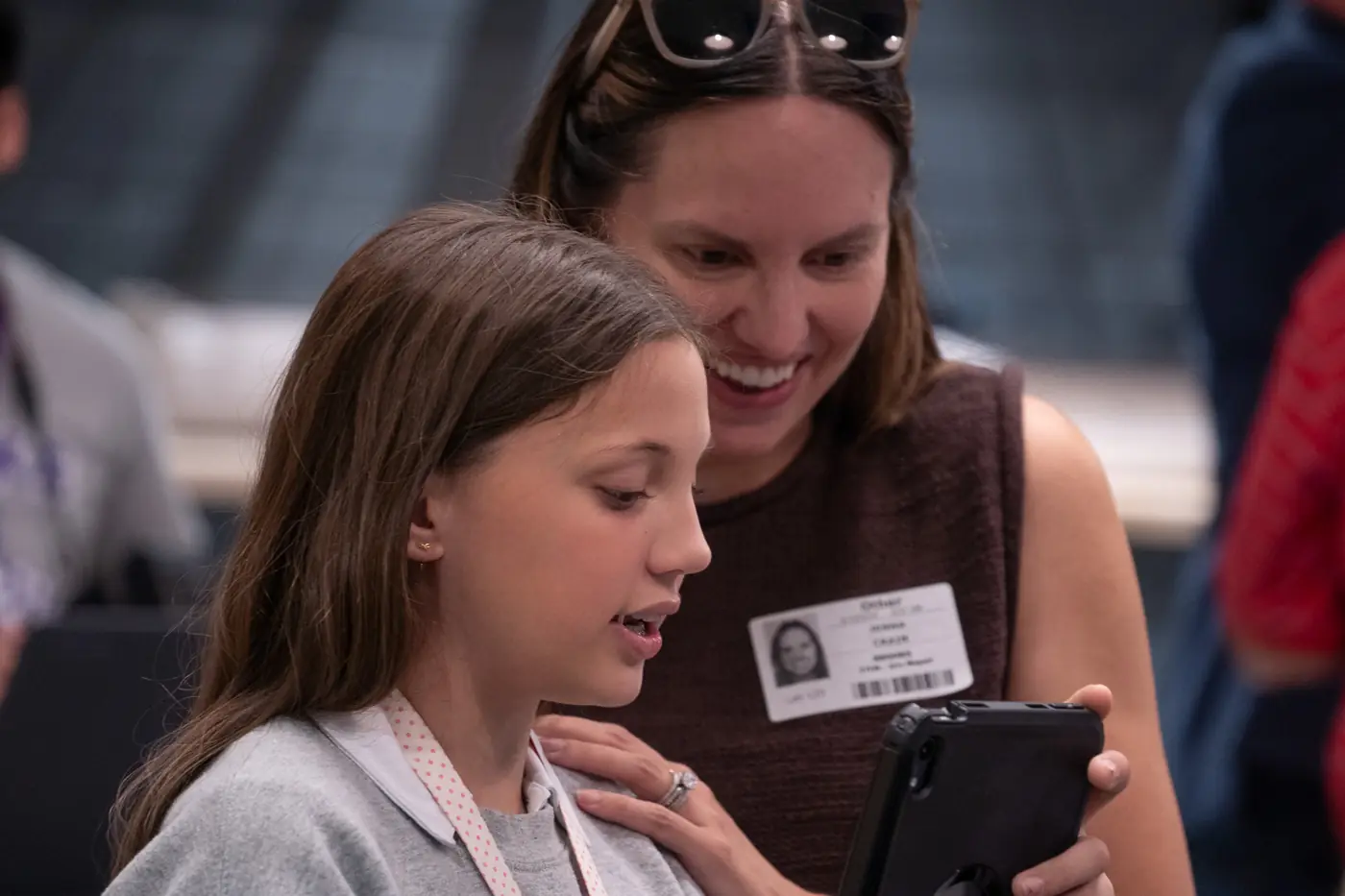
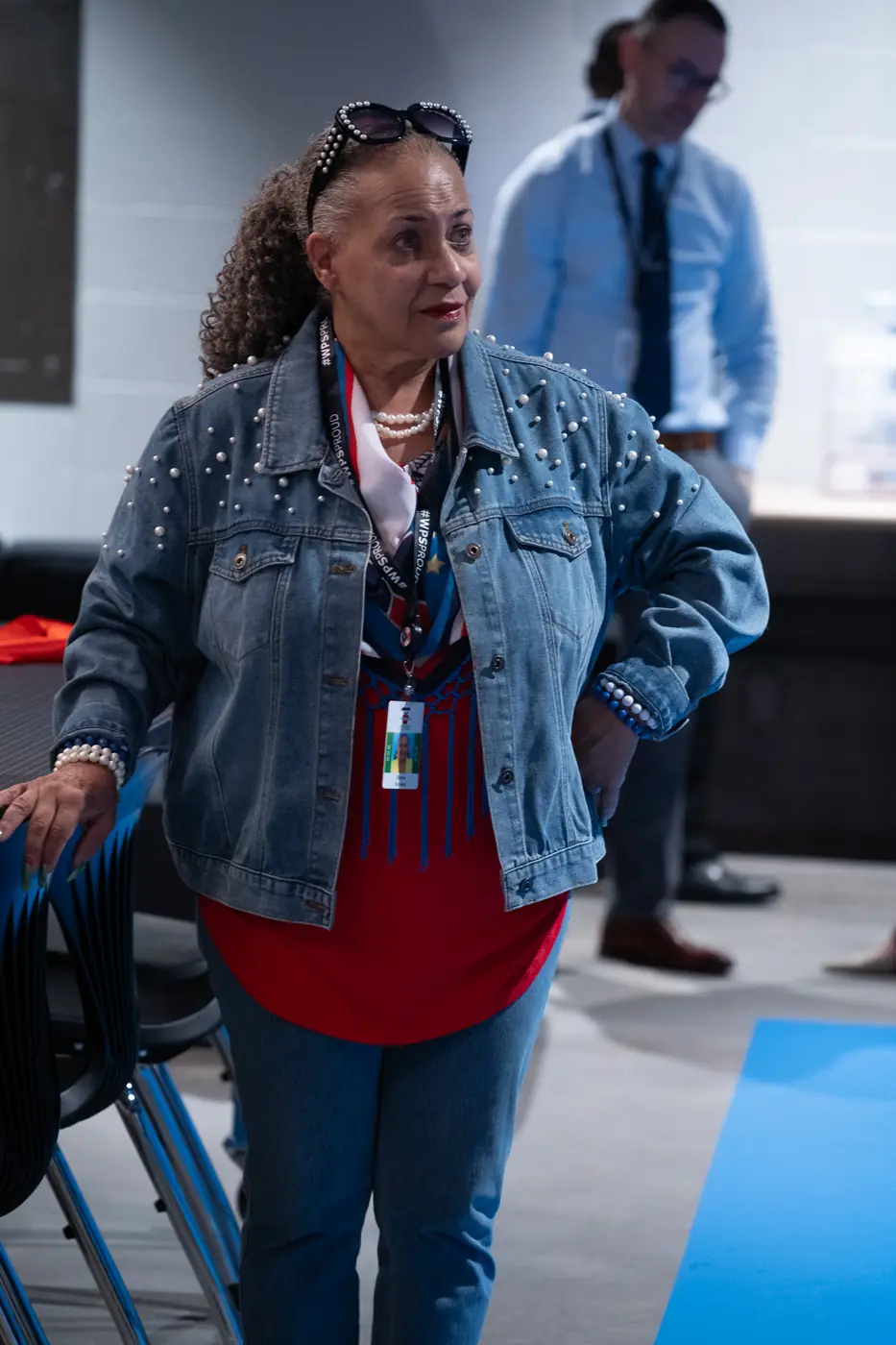
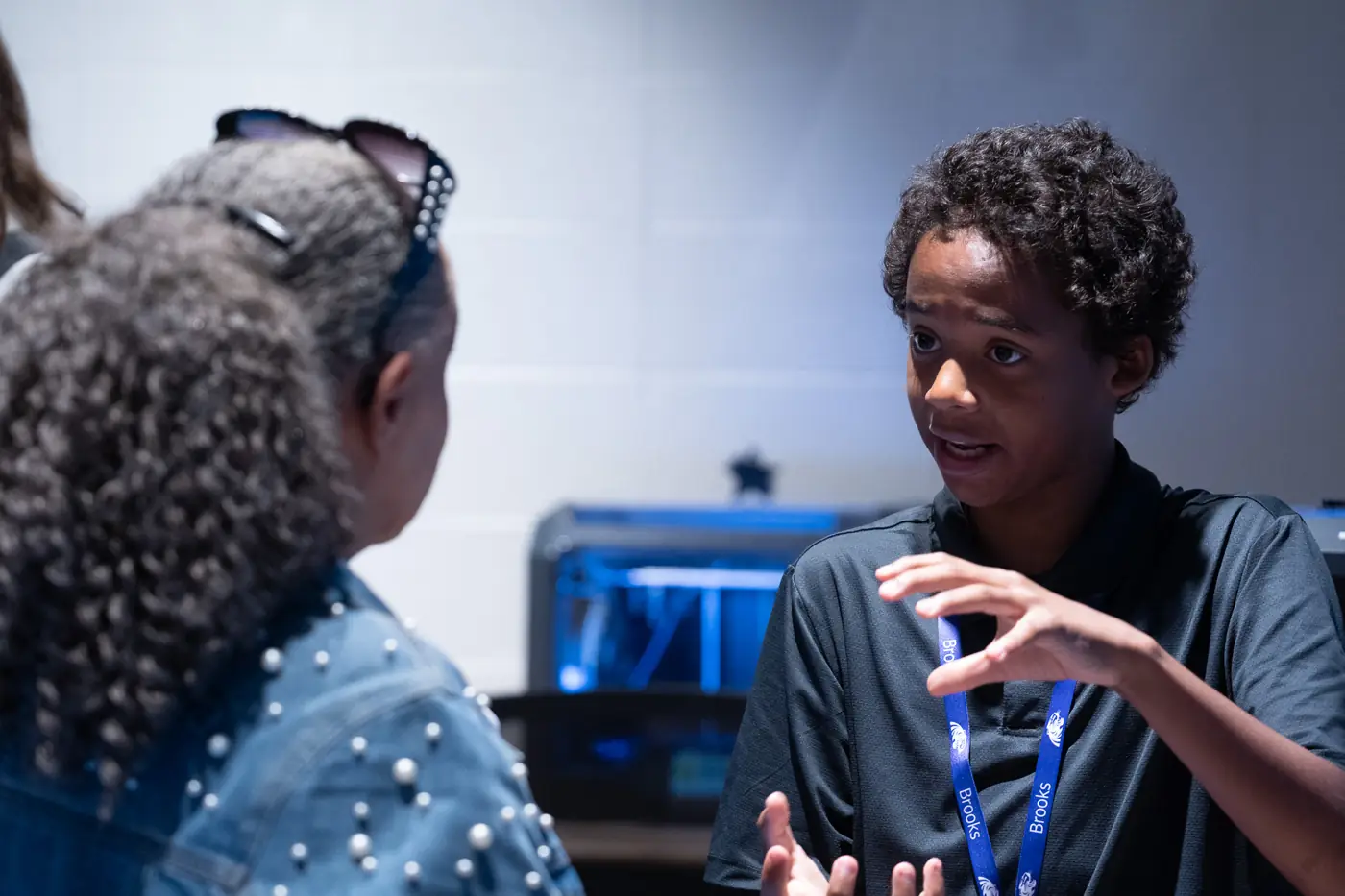
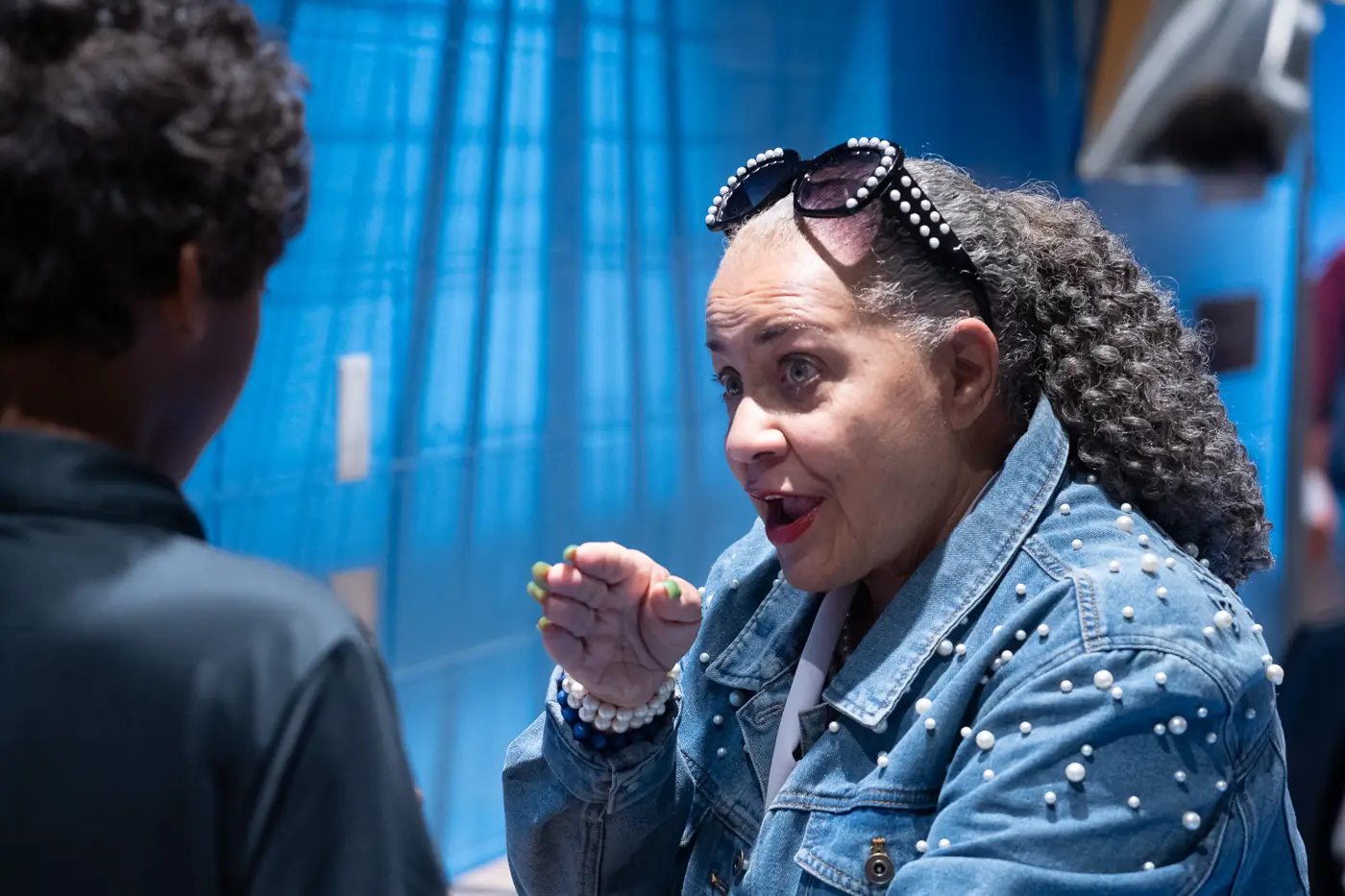
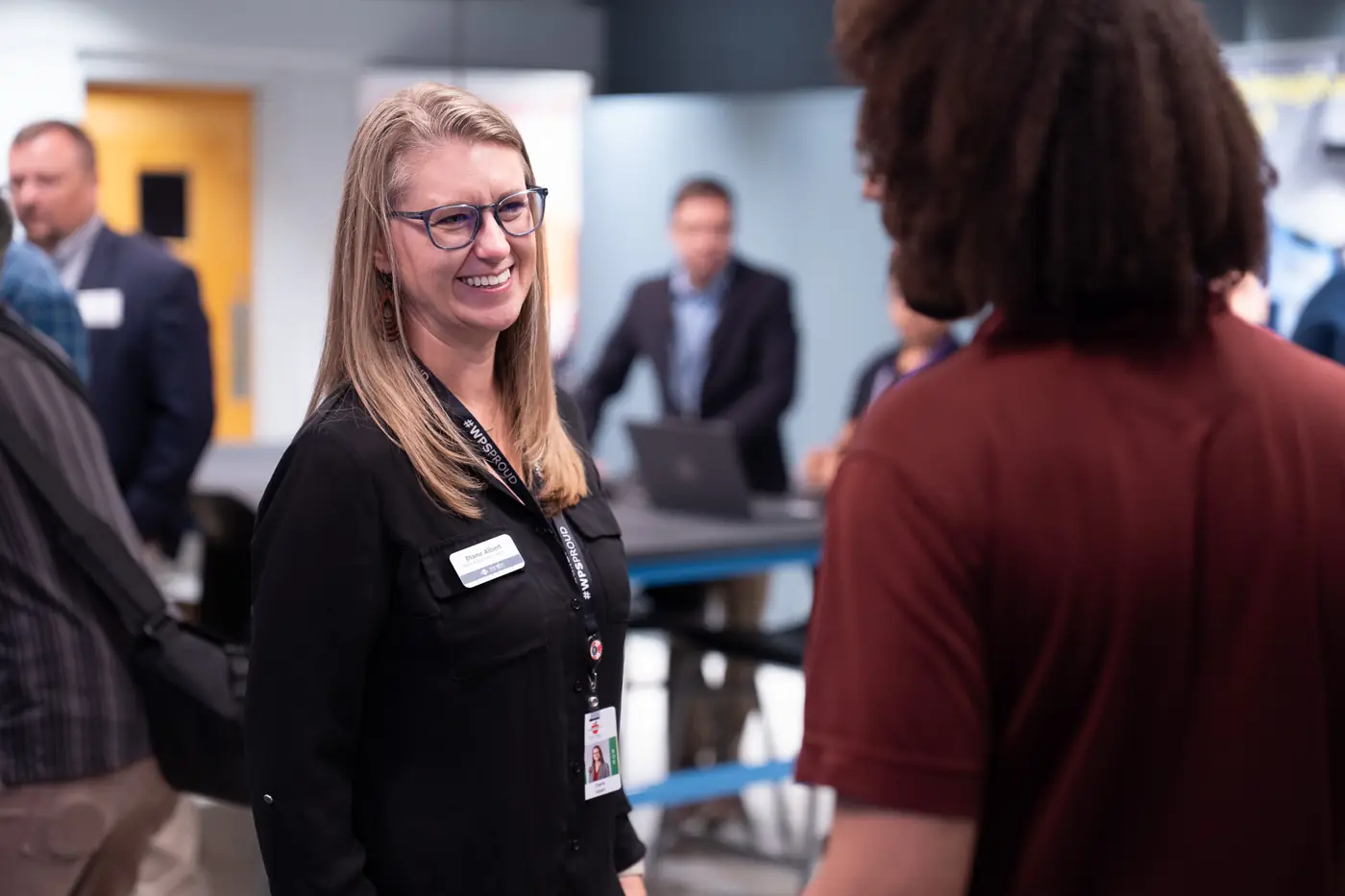
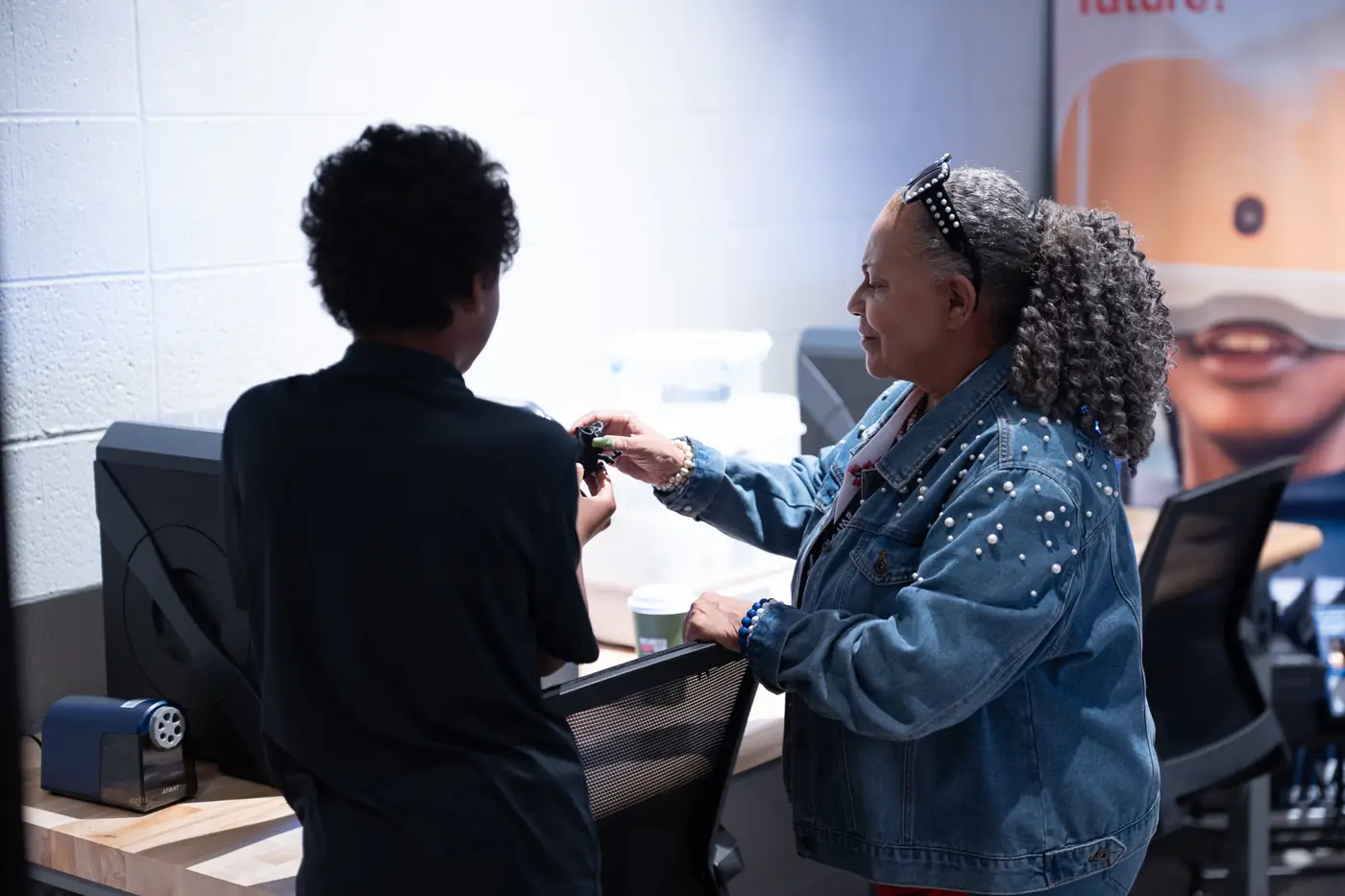
On Tuesday, we cut the ribbon on a Verizon Innovative Learning Lab at Brooks Center for STEM and Arts Magnet Middle School. It is Wichita's fifth lab, and I am genuinely grateful for the people and organizations that made it possible.
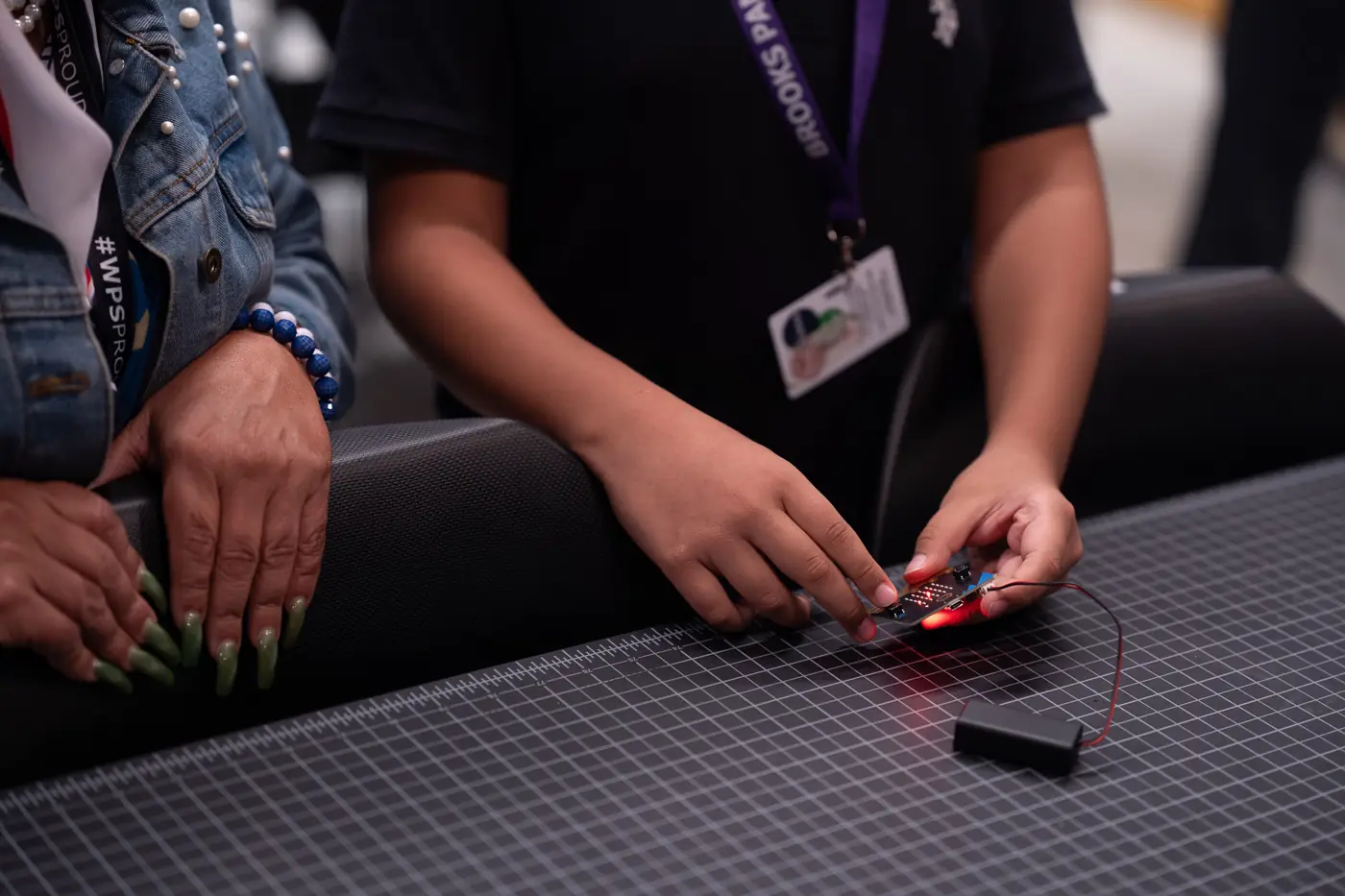
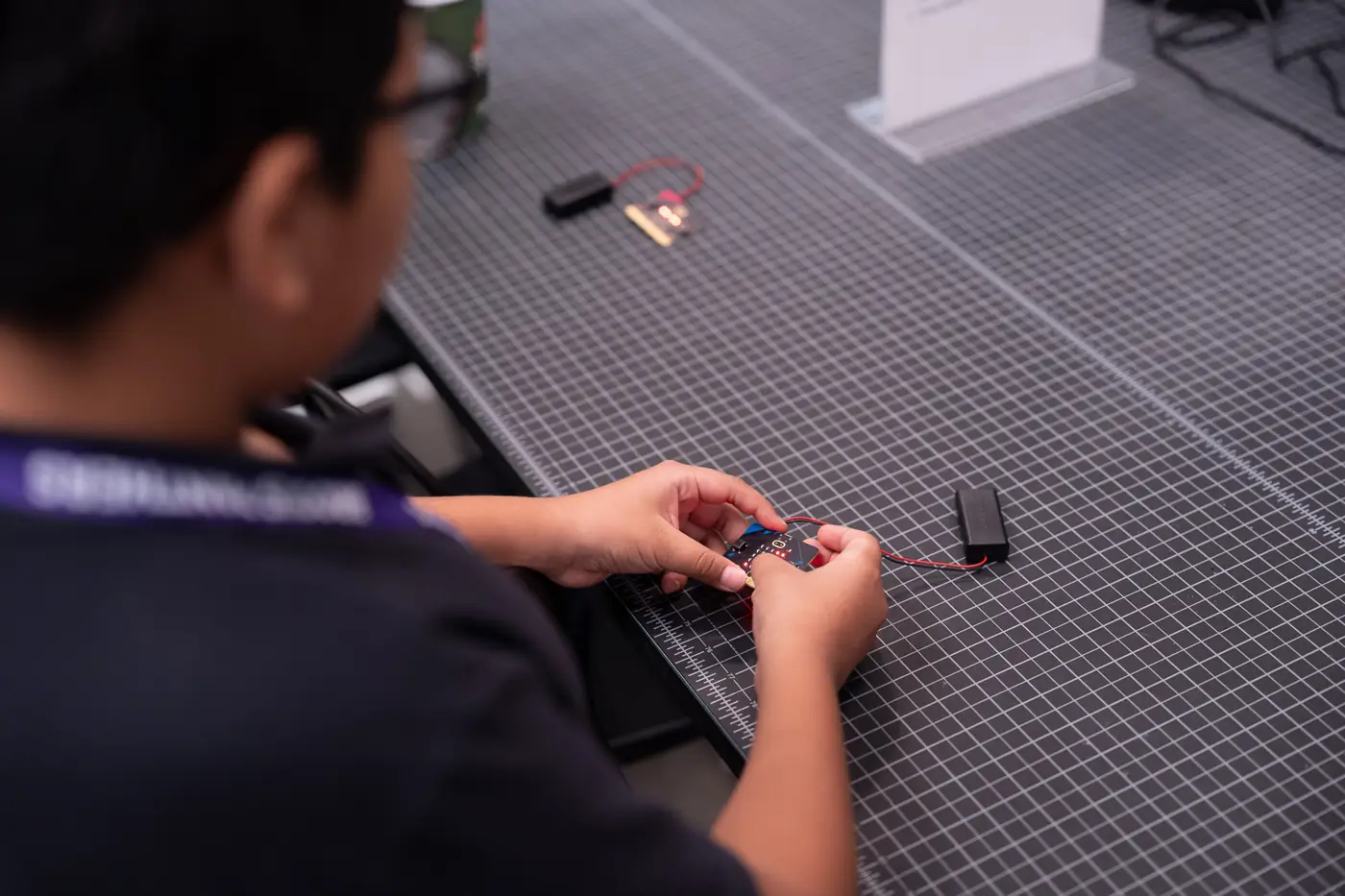
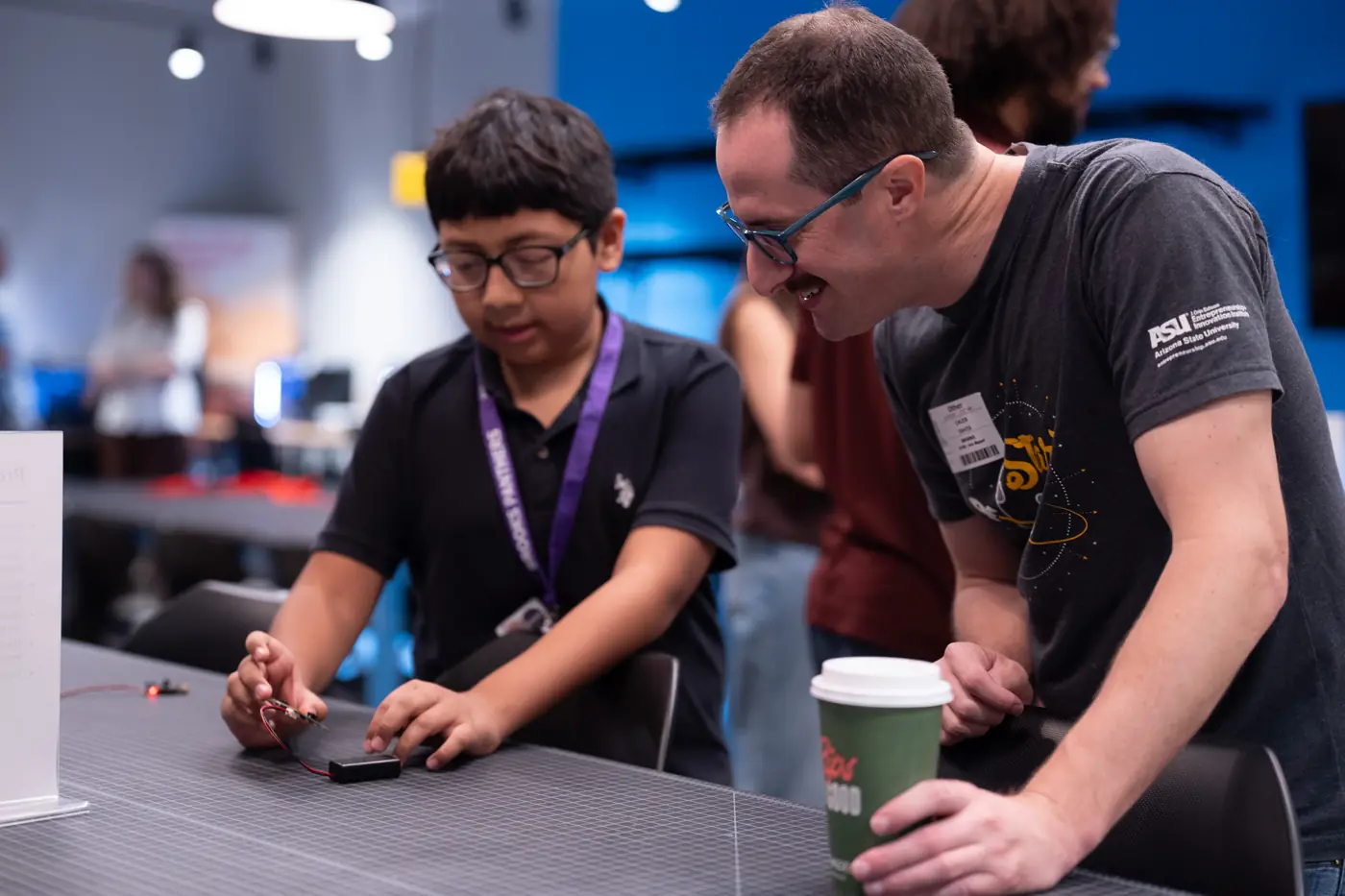
A room full of augmented and virtual reality, 3D printing, and AI does not appear because one group had a good idea. It takes partners who bring different strengths, stay connected to the work, and keep students at the center.
1 / 59
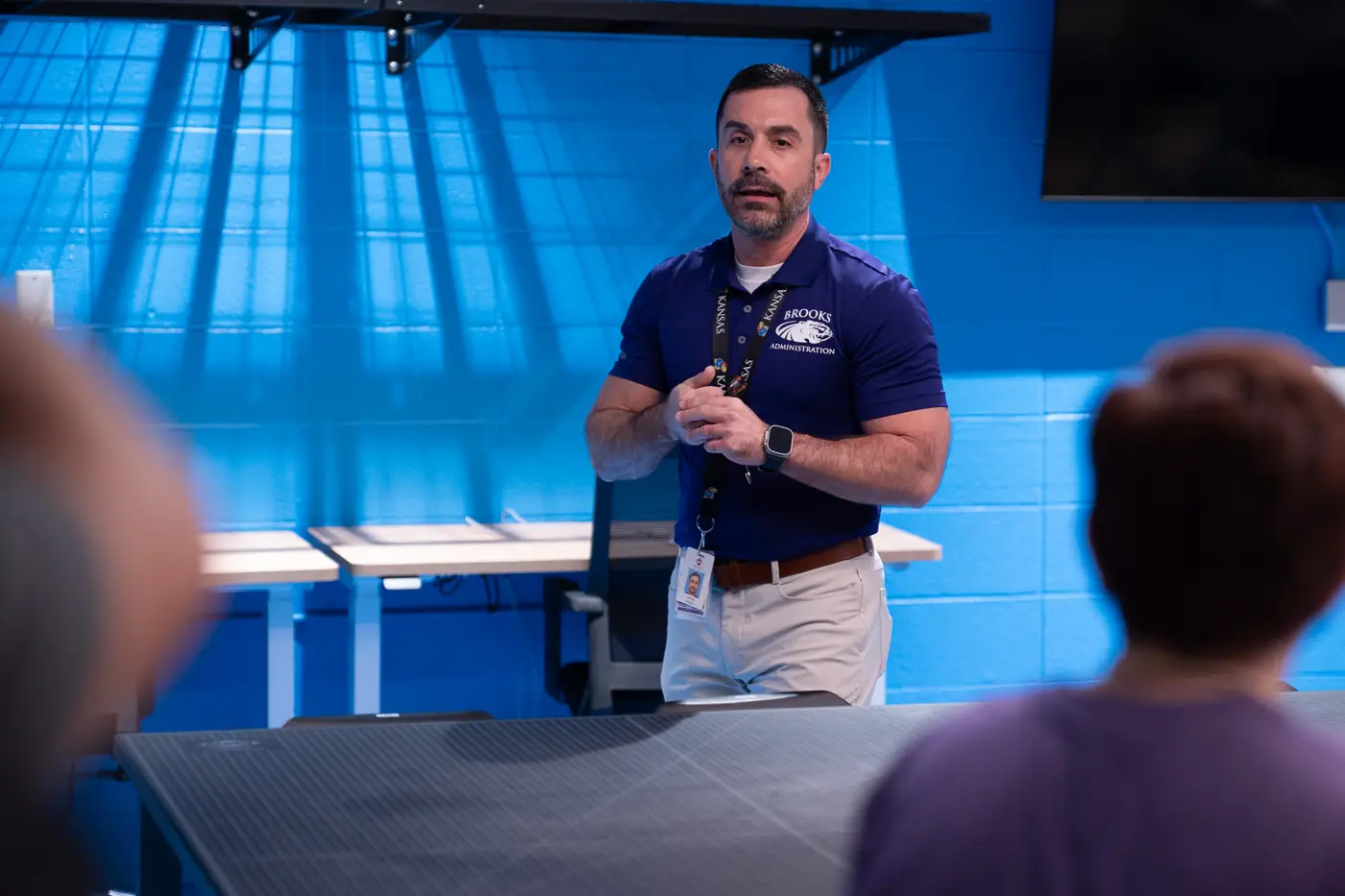
Principal Josh Wilbert shared that the lab gives Brooks students ways to extend their learning and build skills they will carry into high school. That is exactly the hope. Middle school is a time for skills exploration, when students should be able to try things, make things, and start seeing new possibilities for themselves.
Brooks is already a STEM and Performing Arts magnet, weaving science, technology, engineering, math, and the performing arts across grades. Its students already have drones, computer science, electronics, design and modeling, VEX robotics, and Student Technology Leadership courses in graphic design, video, interactive media, photography, and 3D design. I see the new lab as more room for that work to stretch, from a design idea to something students can build, test, and share.
KWCH reported that Brooks is one of about 200 labs nationwide. Verizon Innovative Learning has been at this work since 2012. I appreciate that this partnership has stayed focused on the people who make a lab matter: students and the educators beside them.
Verizon provides the technology and educator support. Heart of America helps build the space. Arizona State University developed the project-based curriculum and trained teachers, including two from Brooks at ASU and others here with district partners. Wichita Public Schools brings the day-to-day work of school, the relationships with students, and the teachers who turn a room into learning. Each partner brought a different strength. Together, they gave Brooks something its students can use.
Verizon has partnered with Wichita in more than one way. In 2021, Wichita joined Verizon Innovative Learning Schools, which brought devices, data, and coaches to twelve Title I middle schools. The labs are a related part of that broader commitment, with dedicated spaces at Coleman, Curtis, Marshall, Hamilton, and now Brooks.
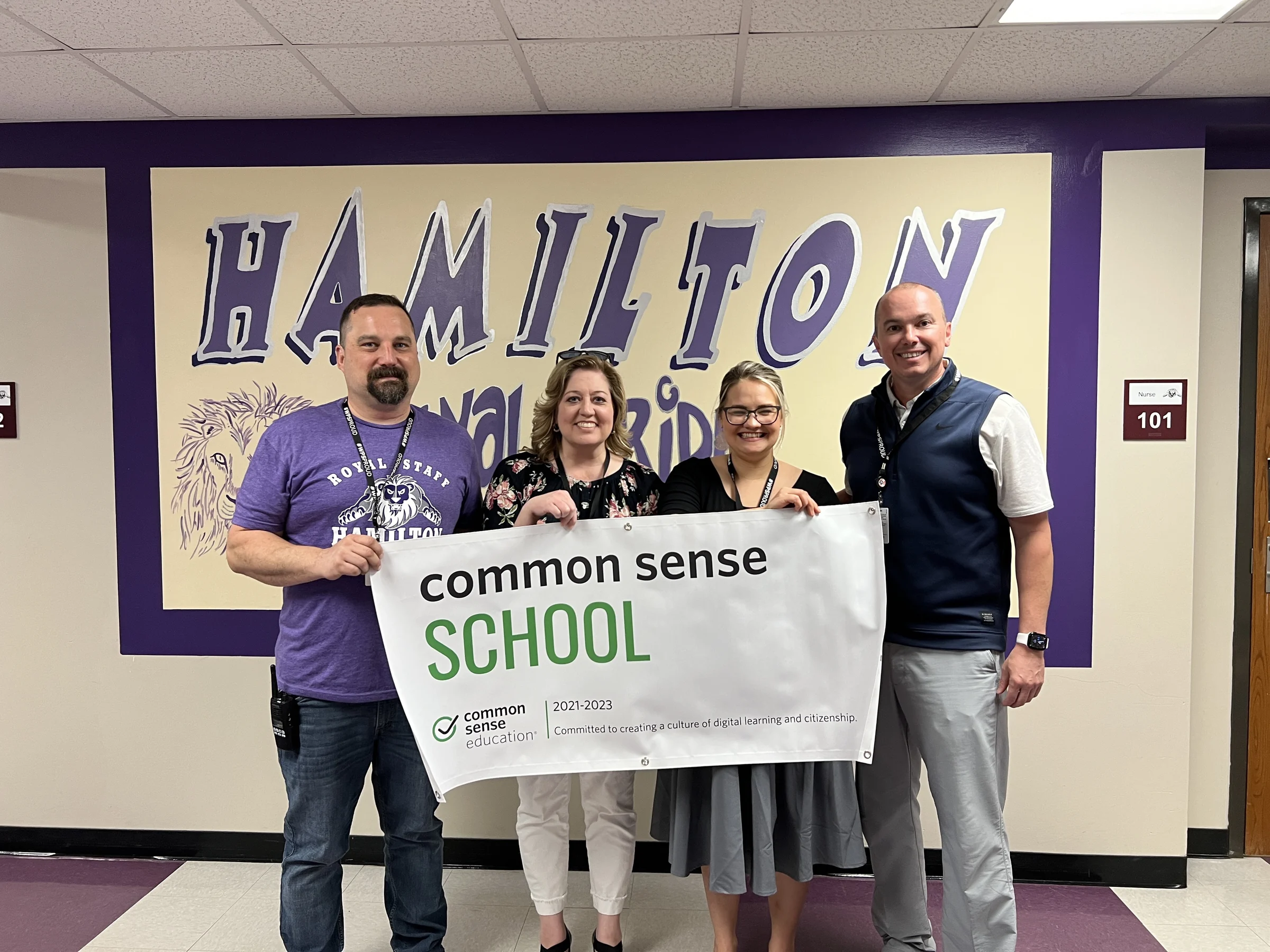
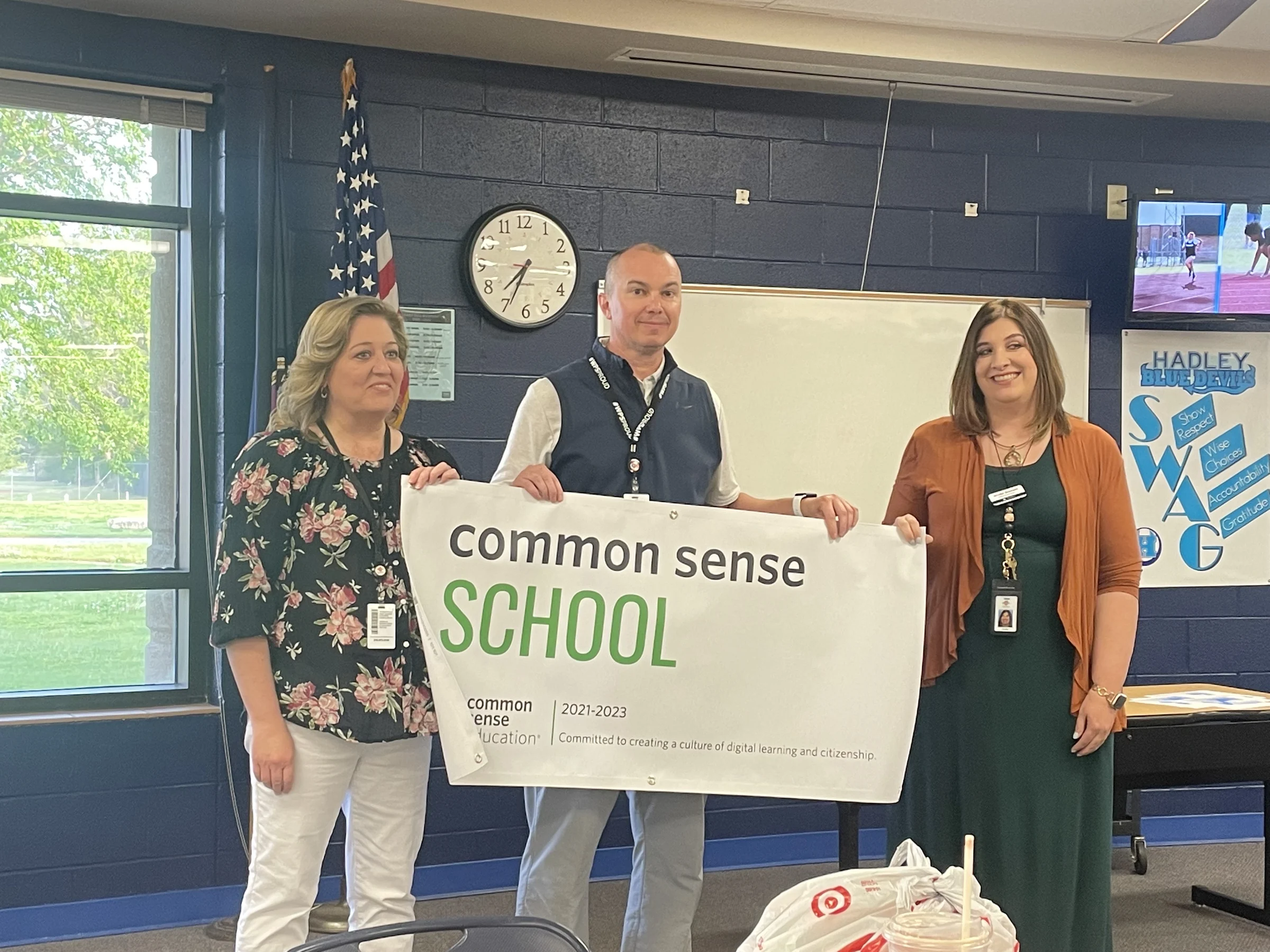
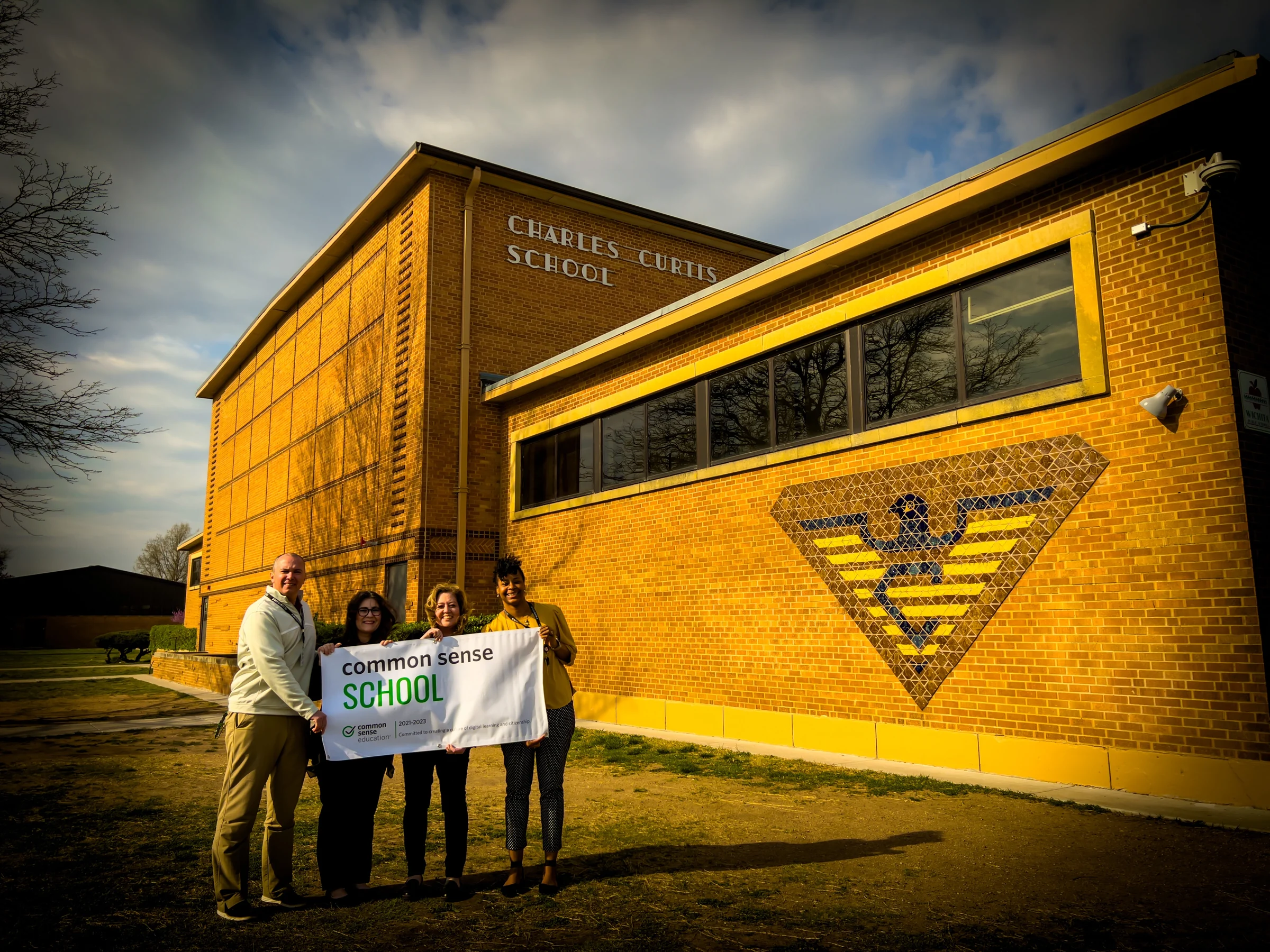
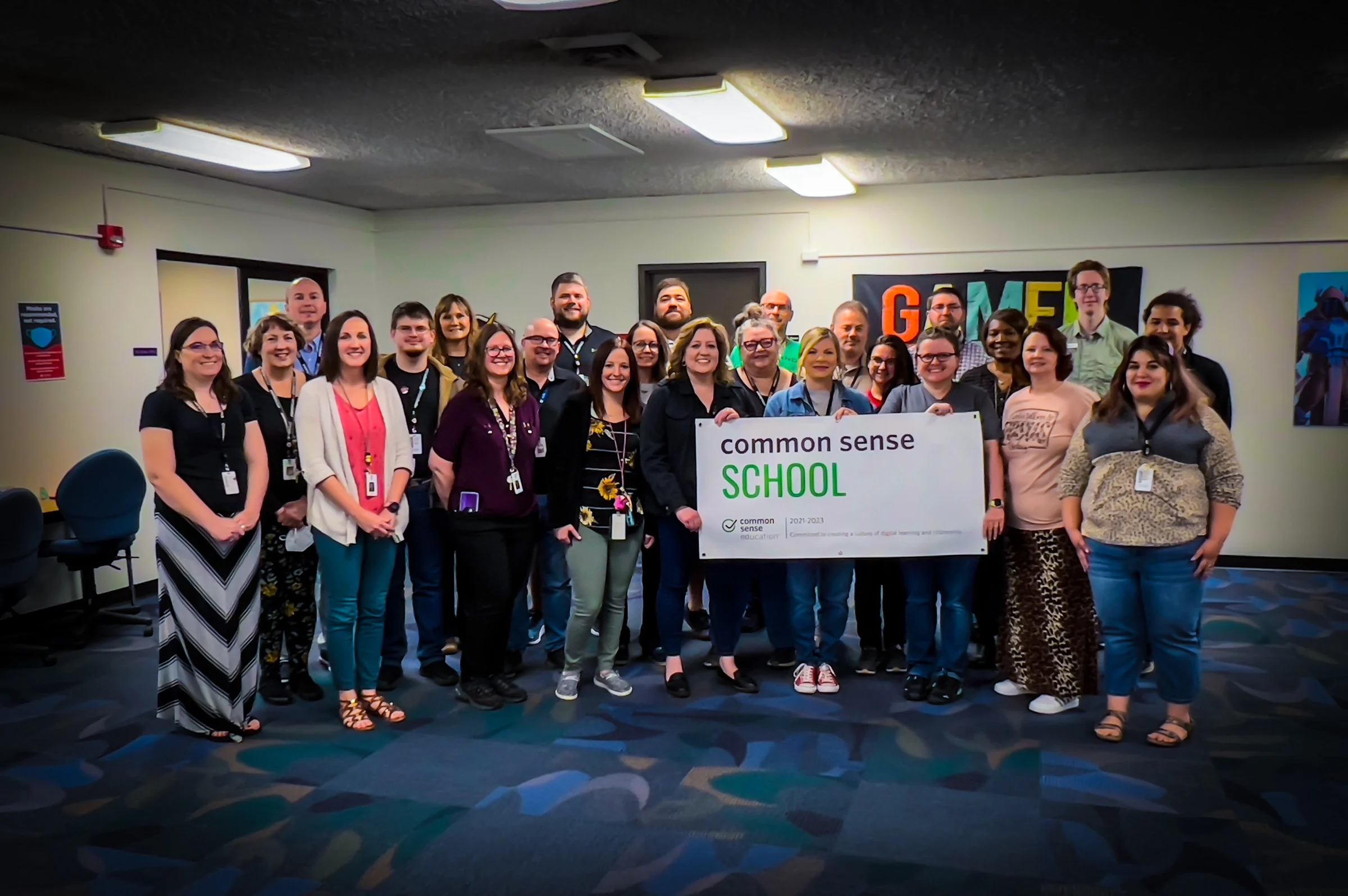
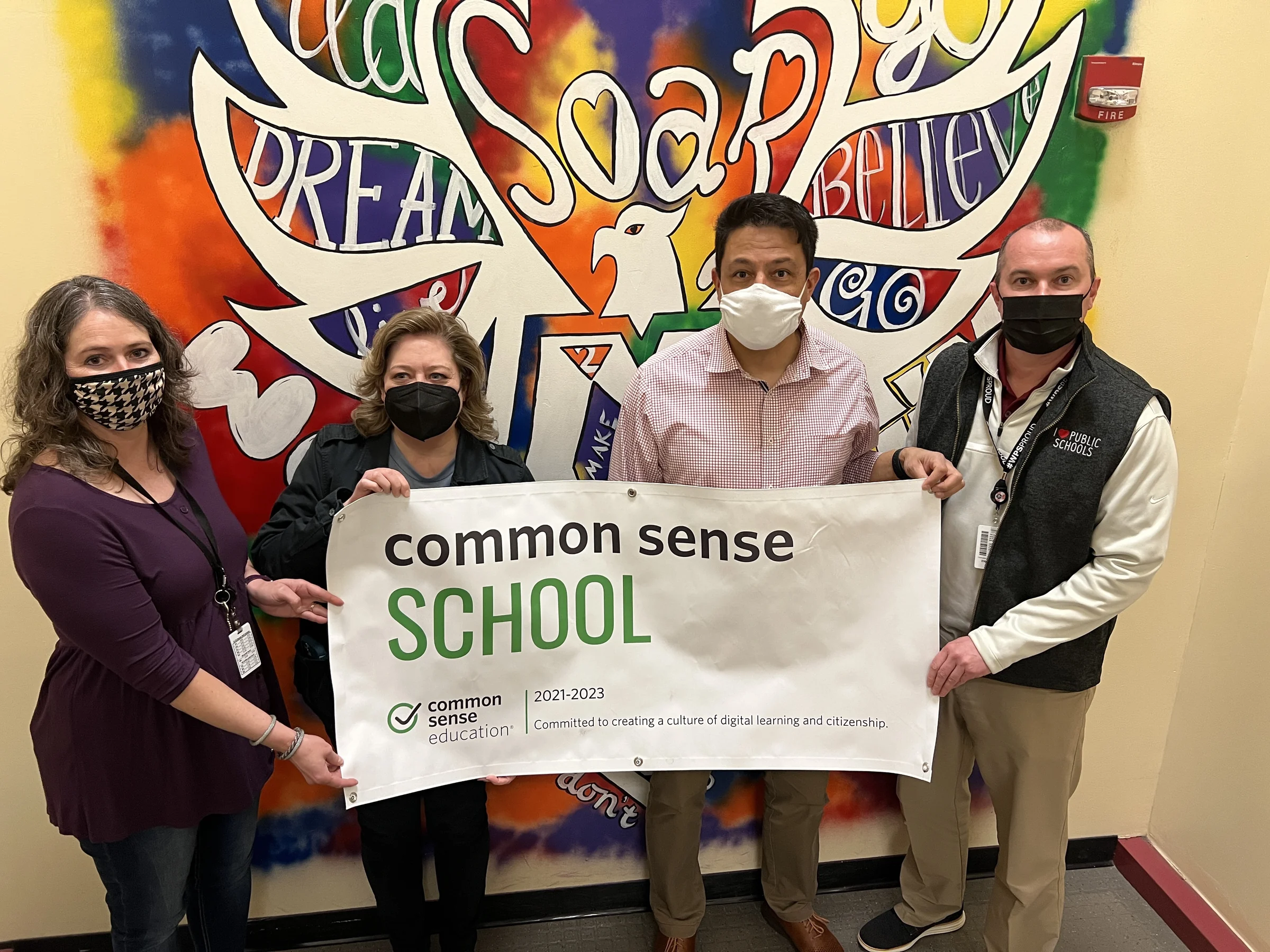
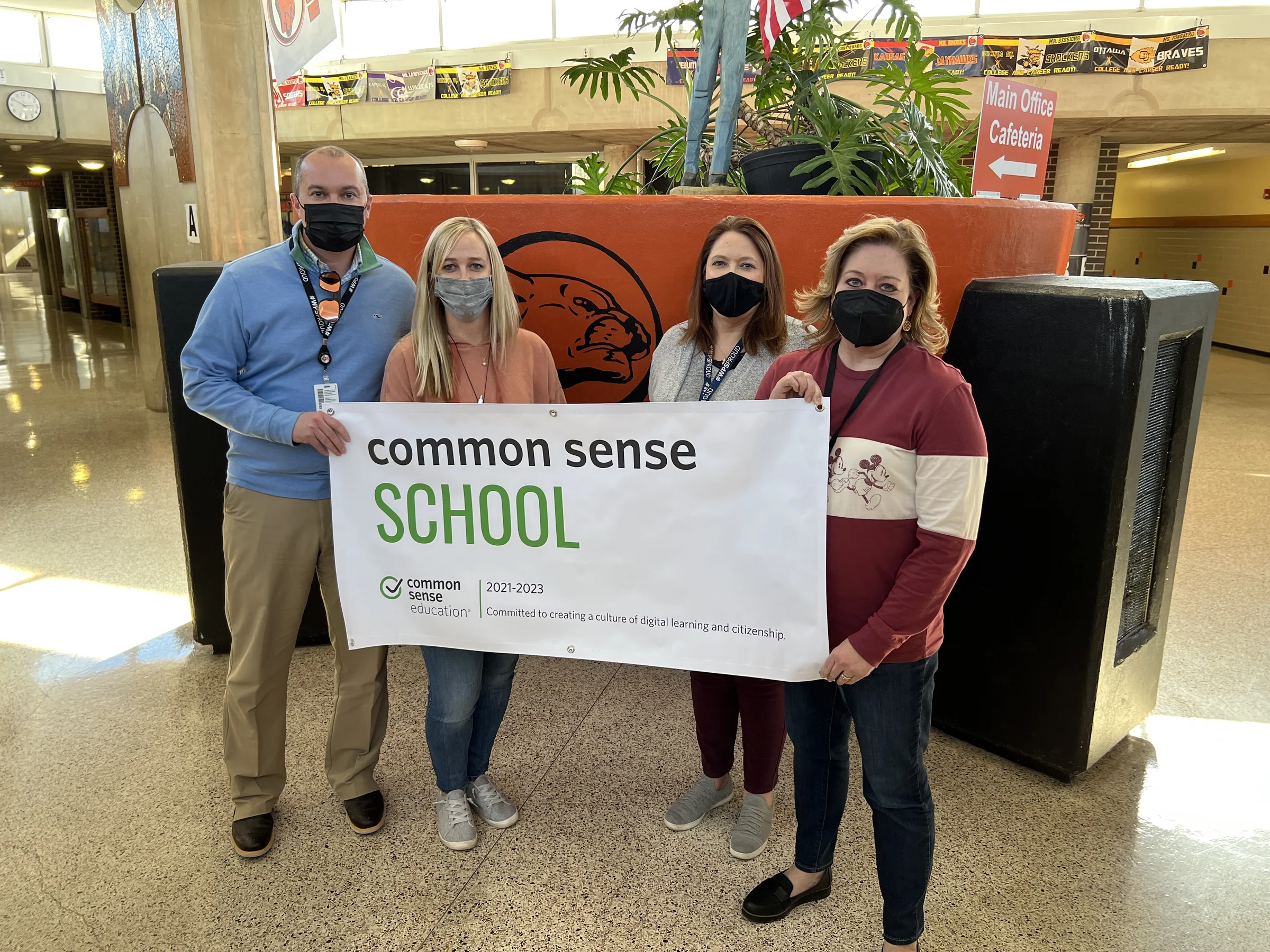
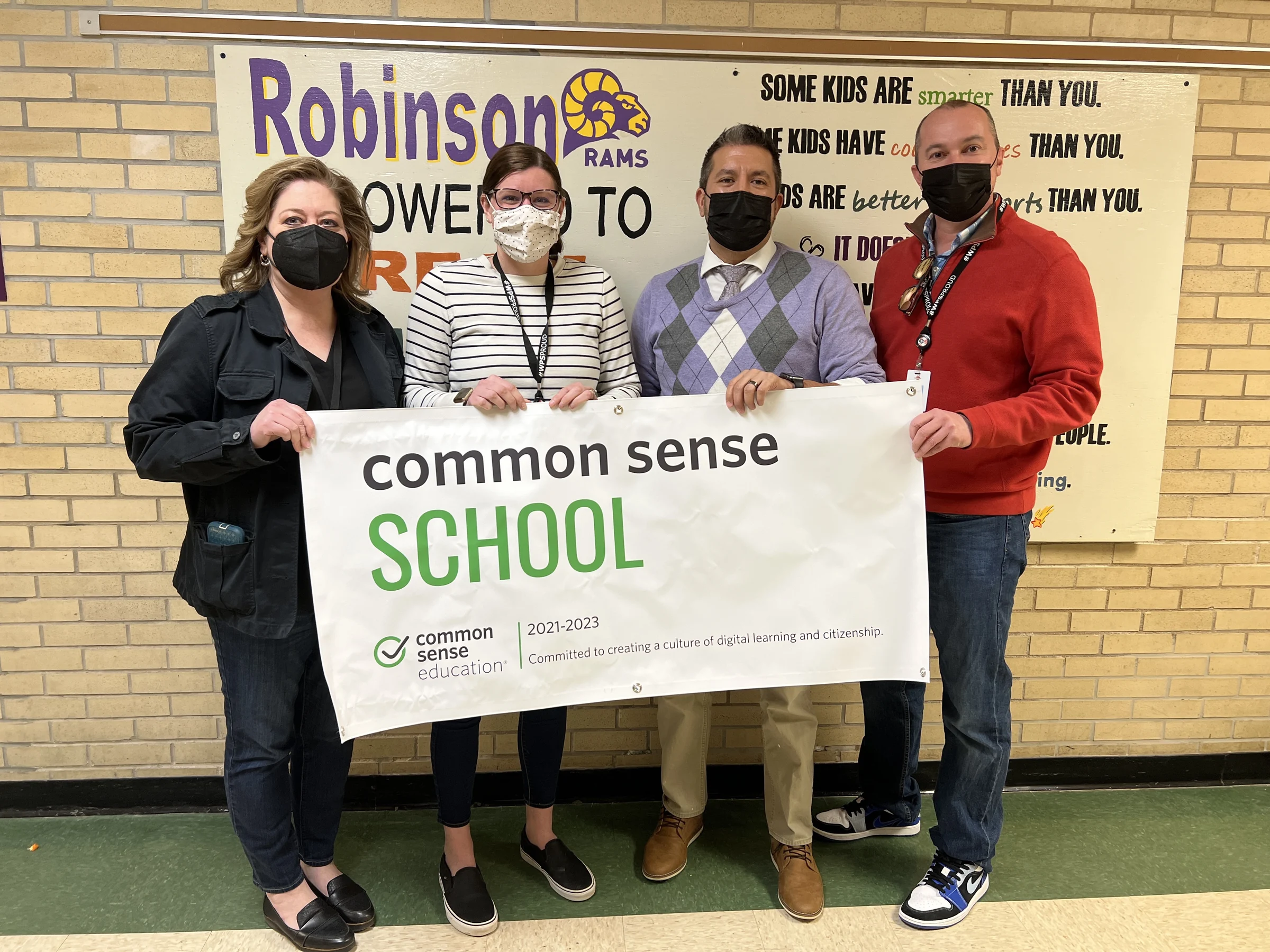
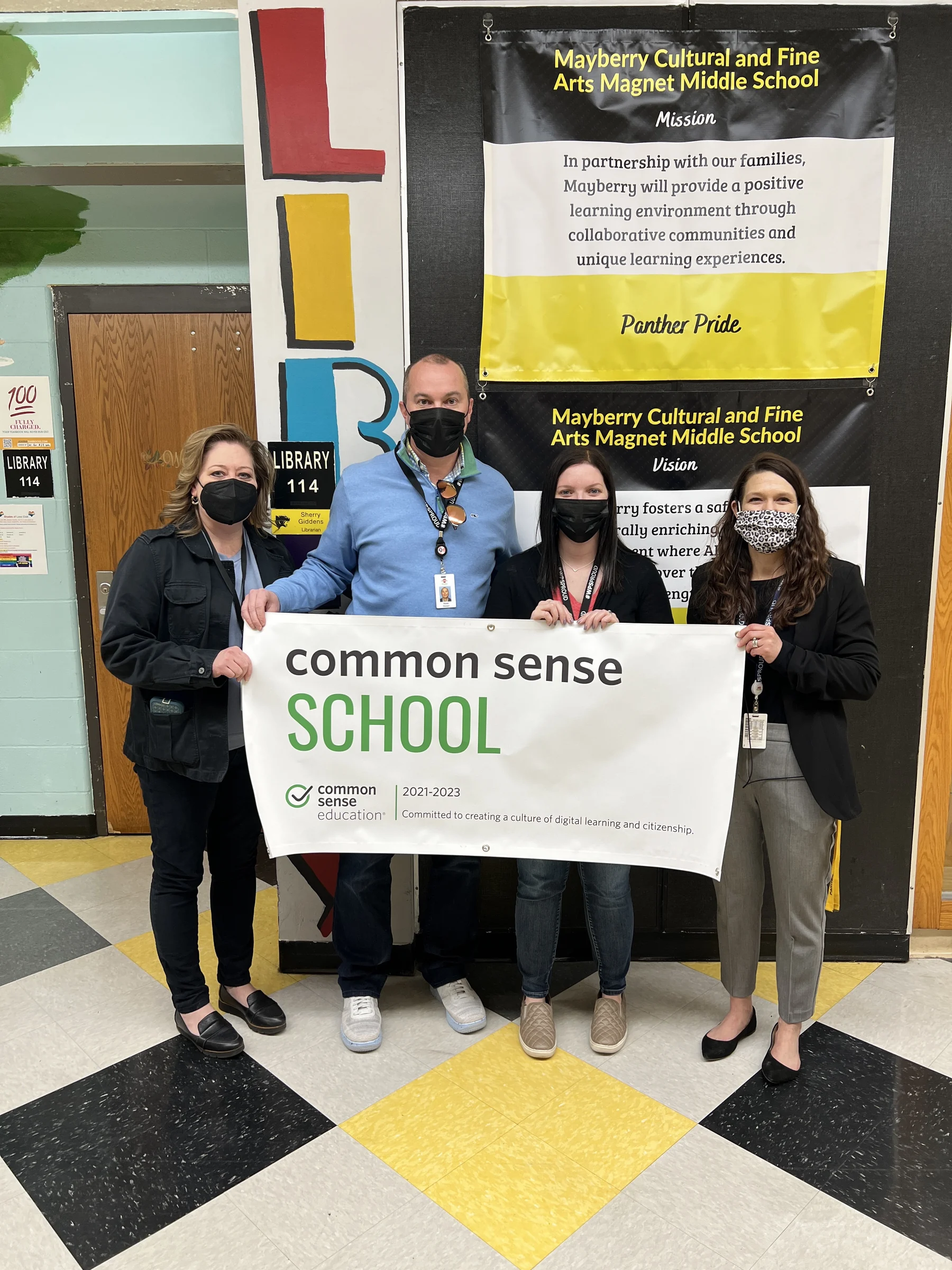
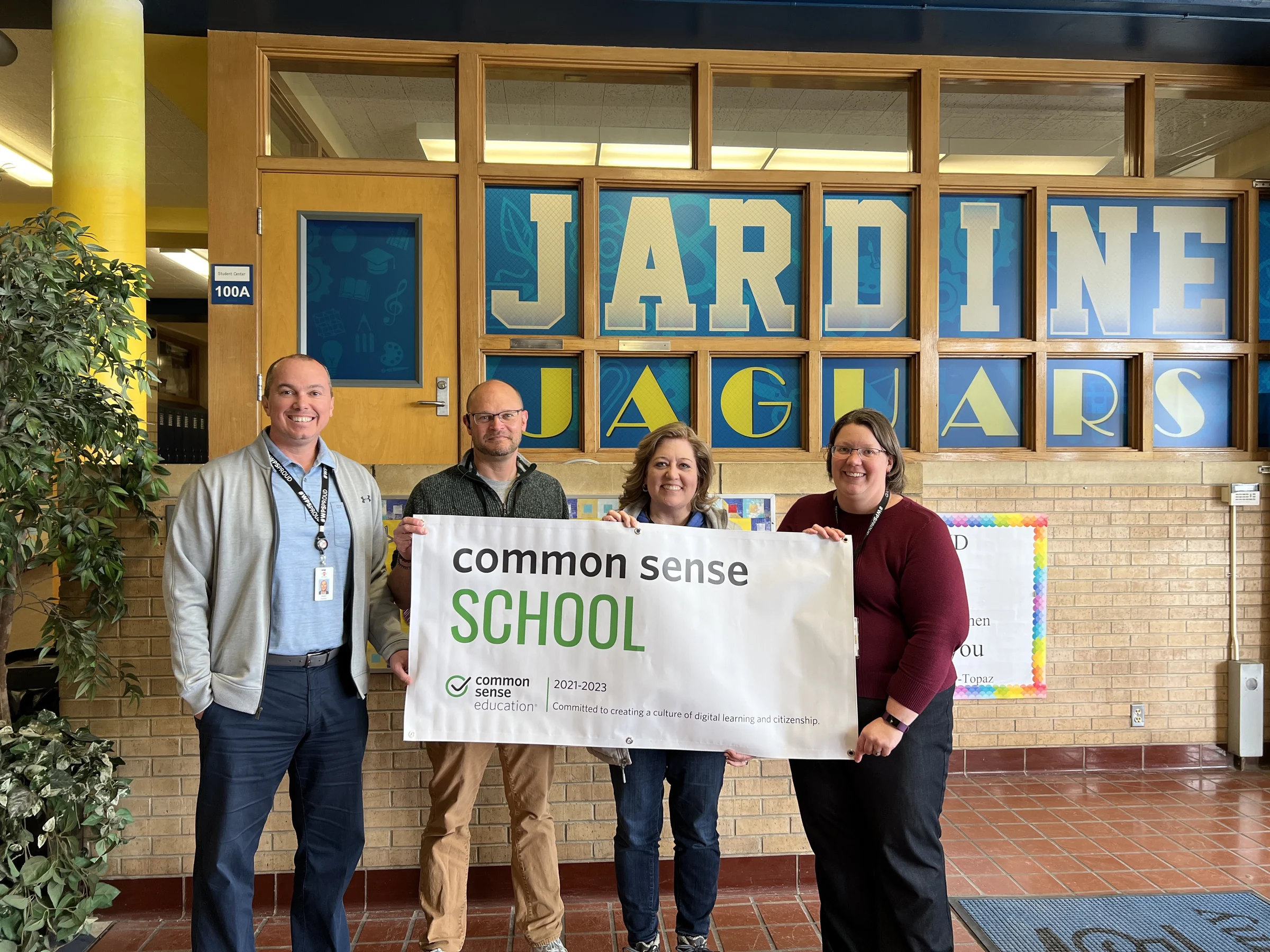
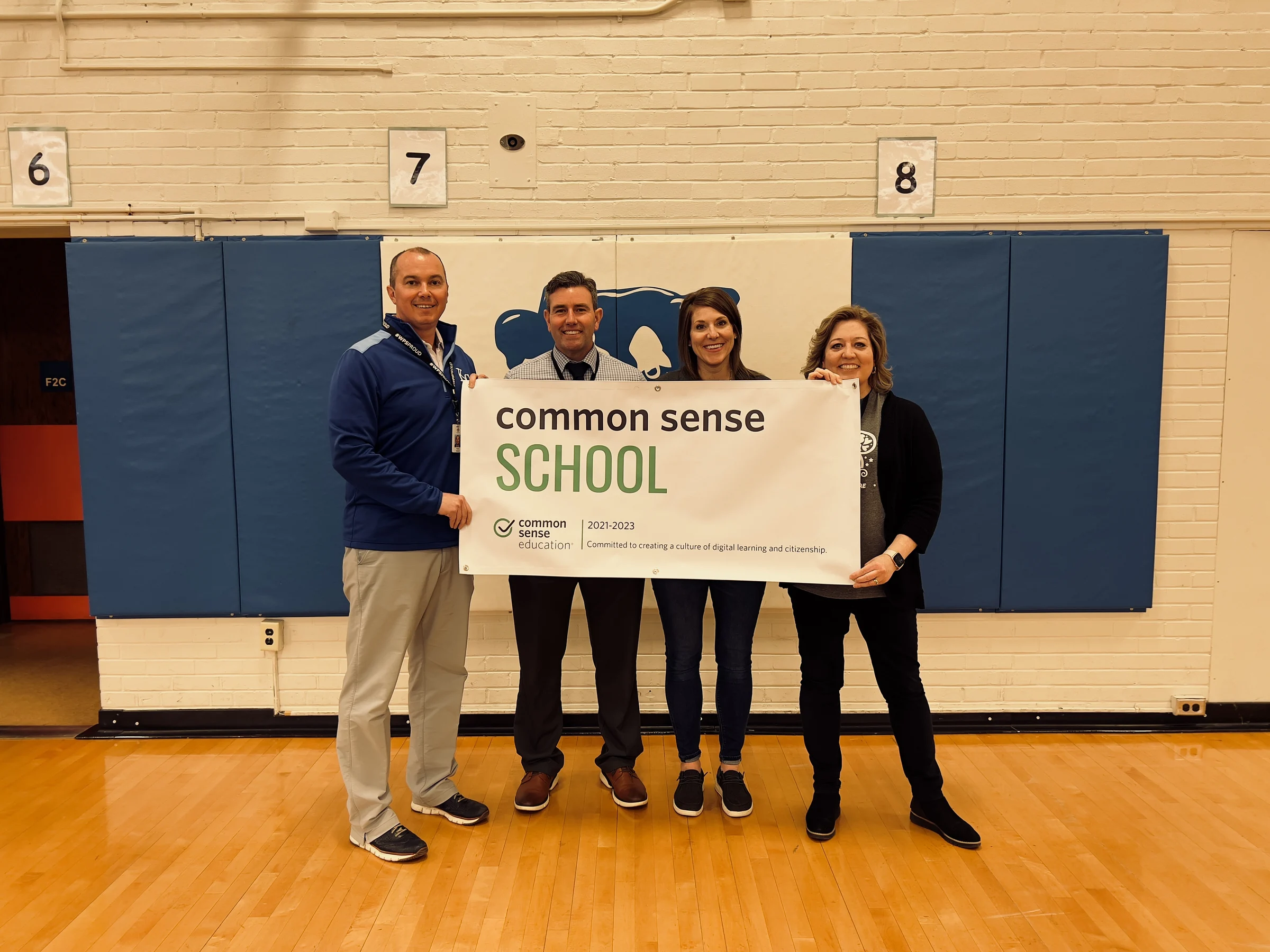
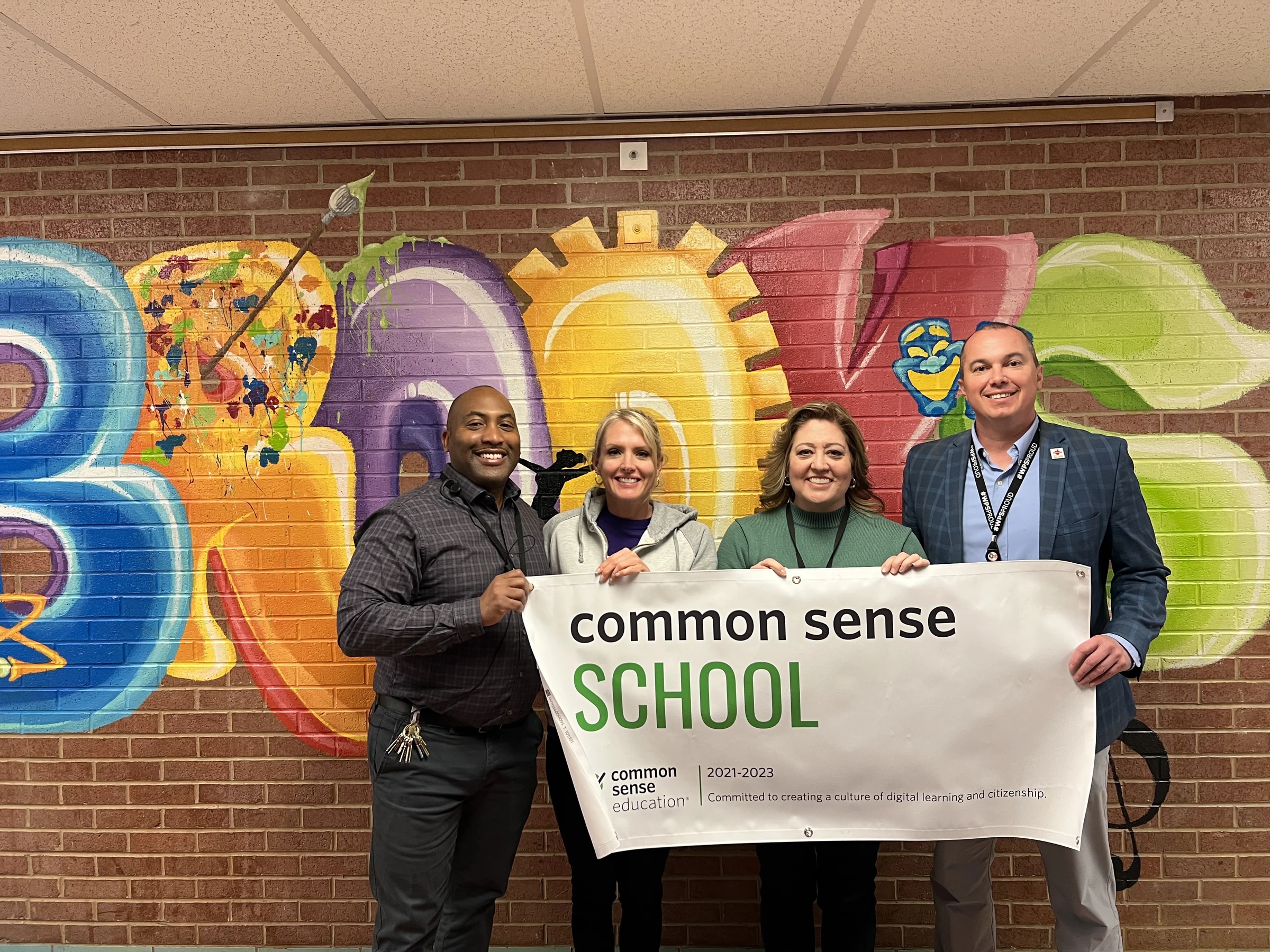
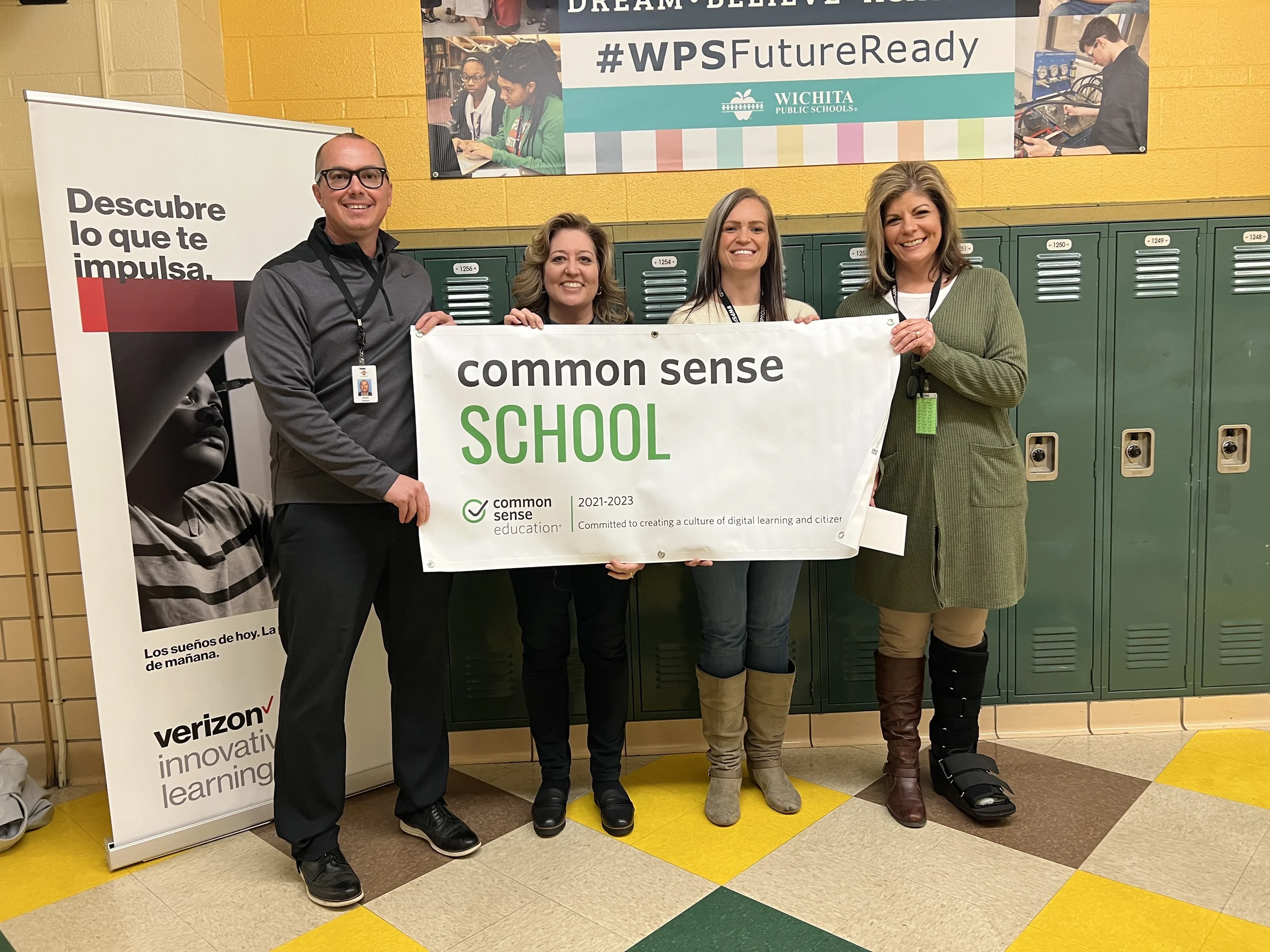
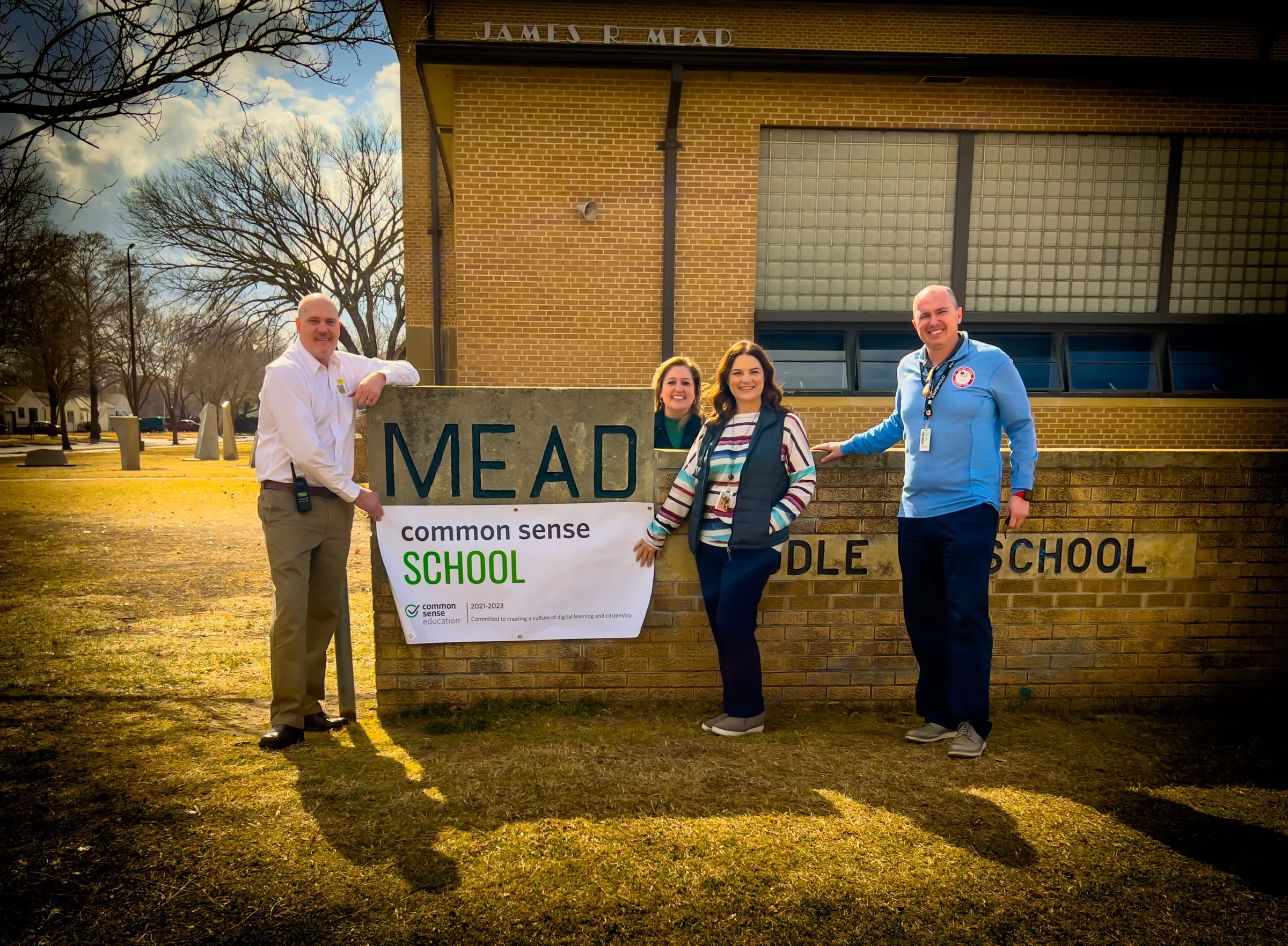
In 2021, all of Wichita's Verizon Innovative Learning Schools reached Common Sense Media Digital Citizenship Certification. That work came through a meaningful partnership with Common Sense Media and reflected an intentional commitment to help students navigate technology with judgment, safety, and responsibility. The people in these photos made that work visible across the schools.
1 / 13
One of the best outcomes of Verizon Innovative Learning Schools has been what happened to the coaching capacity it built. Dyane Smokorowski, Tia Jones, and Katelyn Schoenhofer helped move our Verizon Innovative Learning Schools coaches into instructional technology specialist roles at each middle school.
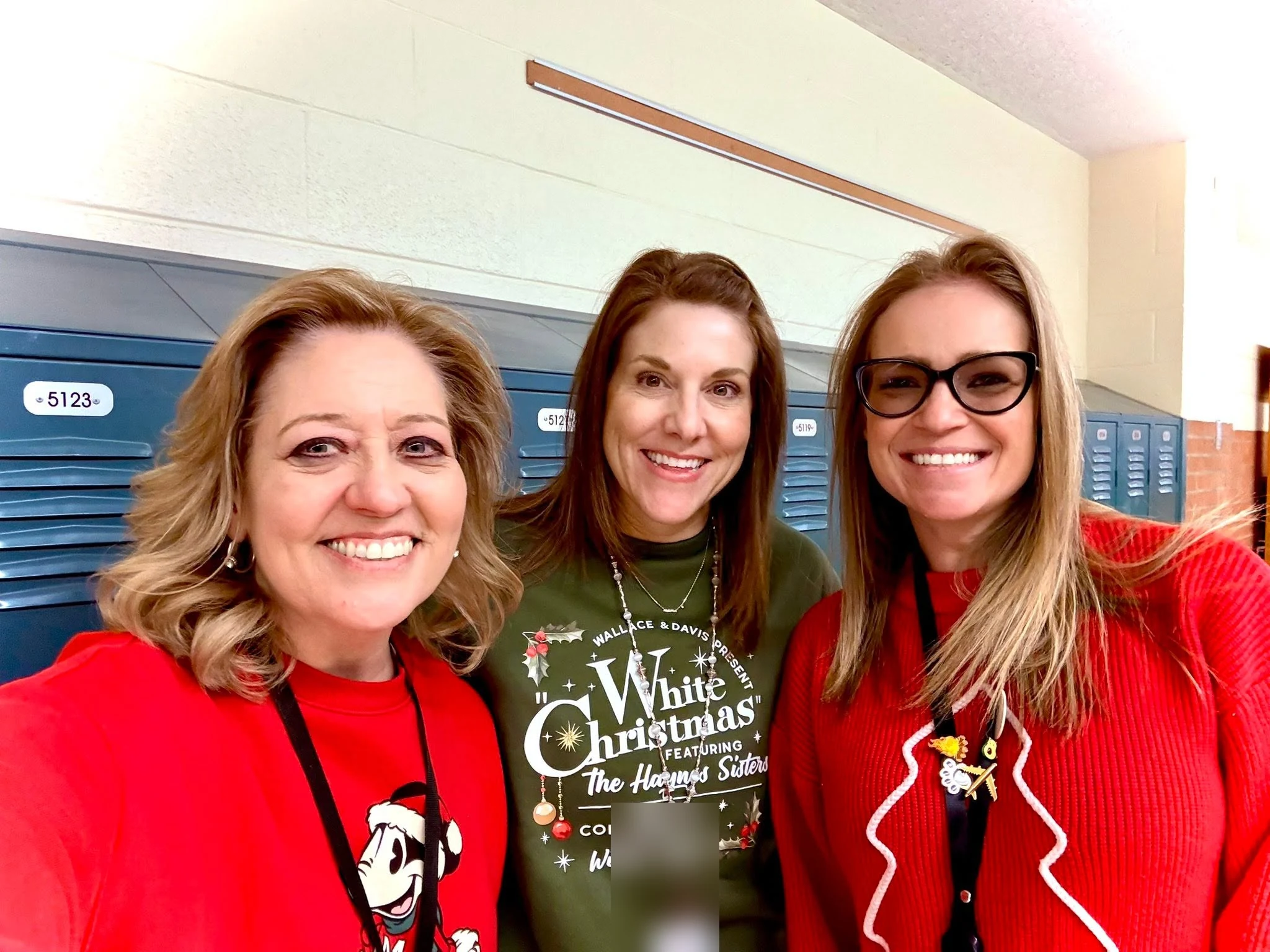
Today, that role combines instructional technology coaching with building-level data leadership. These specialists help their schools make intentional decisions about AI and data while supporting teachers with the practical work of using technology well.
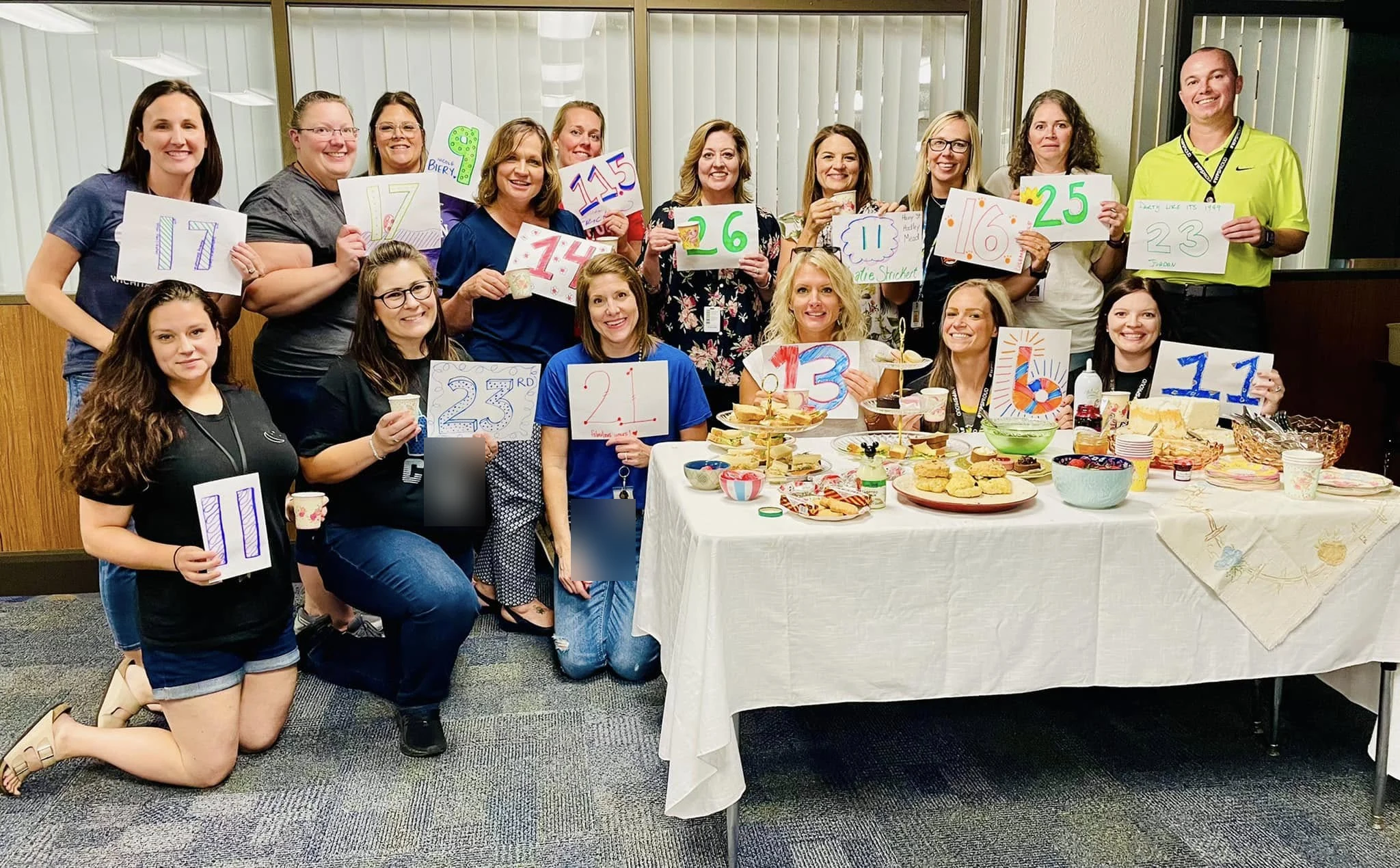
The work now reaches every middle school. It began with Verizon Innovative Learning Schools and grew into districtwide capacity that can help each building strengthen teaching and learning. That is a positive outcome of the initiative.
Omaha
Before Wichita opened its labs, I first learned about Verizon Innovative Learning Schools while I was in Omaha Public Schools, through my friend and mentor, Jim Kirchner. Digital Promise named Omaha in Cohort 5 of Verizon Innovative Learning Schools in August 2018. R.M. Marrs Magnet Center and Norris Middle School received tablets with Verizon connectivity, along with coaching and professional learning for staff.
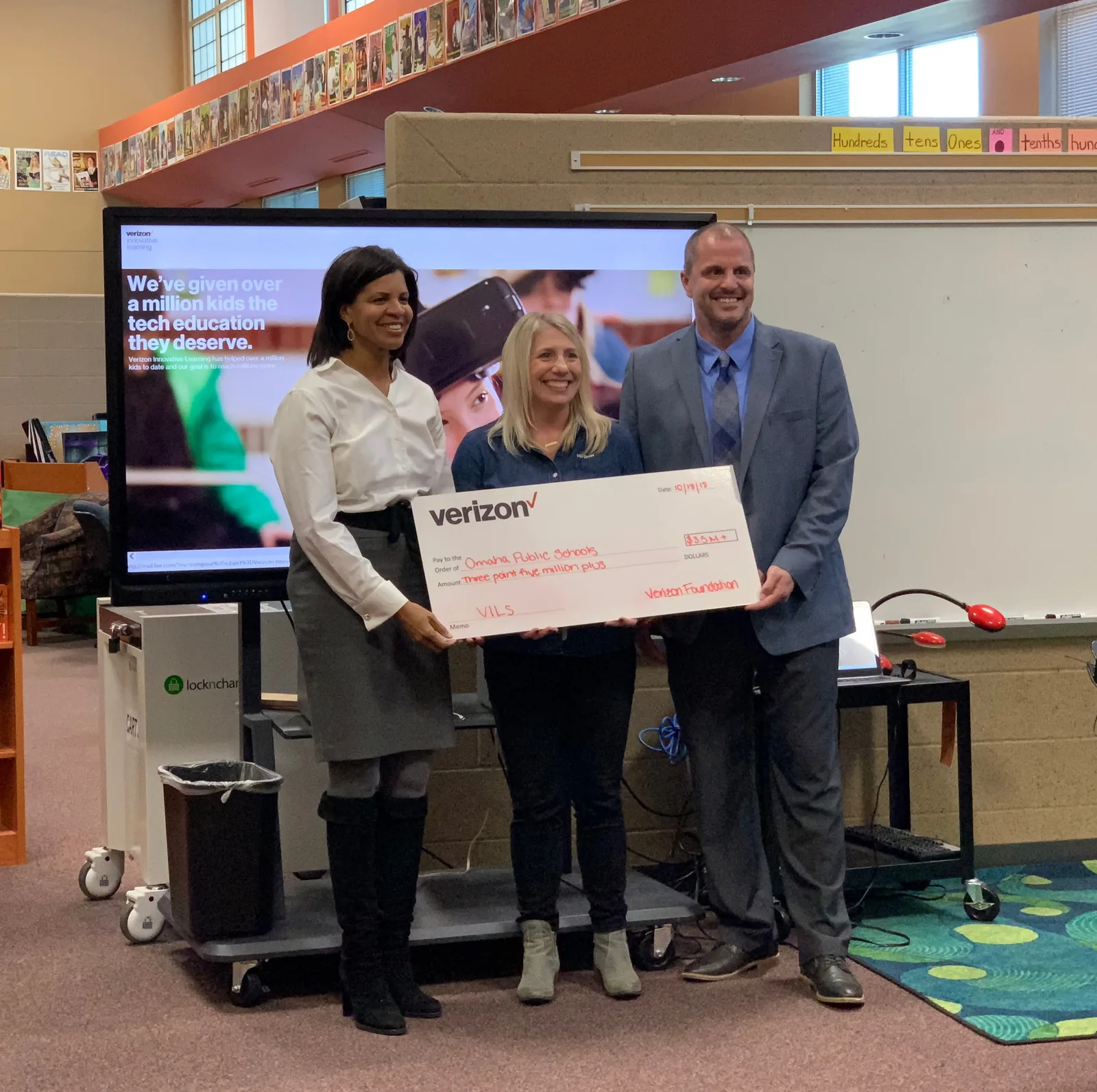
Bryan Dunn is holding the check in that photo. He was principal at Marrs and later stepped into the Omaha Public Schools role I left. I have always appreciated how partnerships create those kinds of connections, people carrying the work forward for students long after the ribbon-cutting photo.
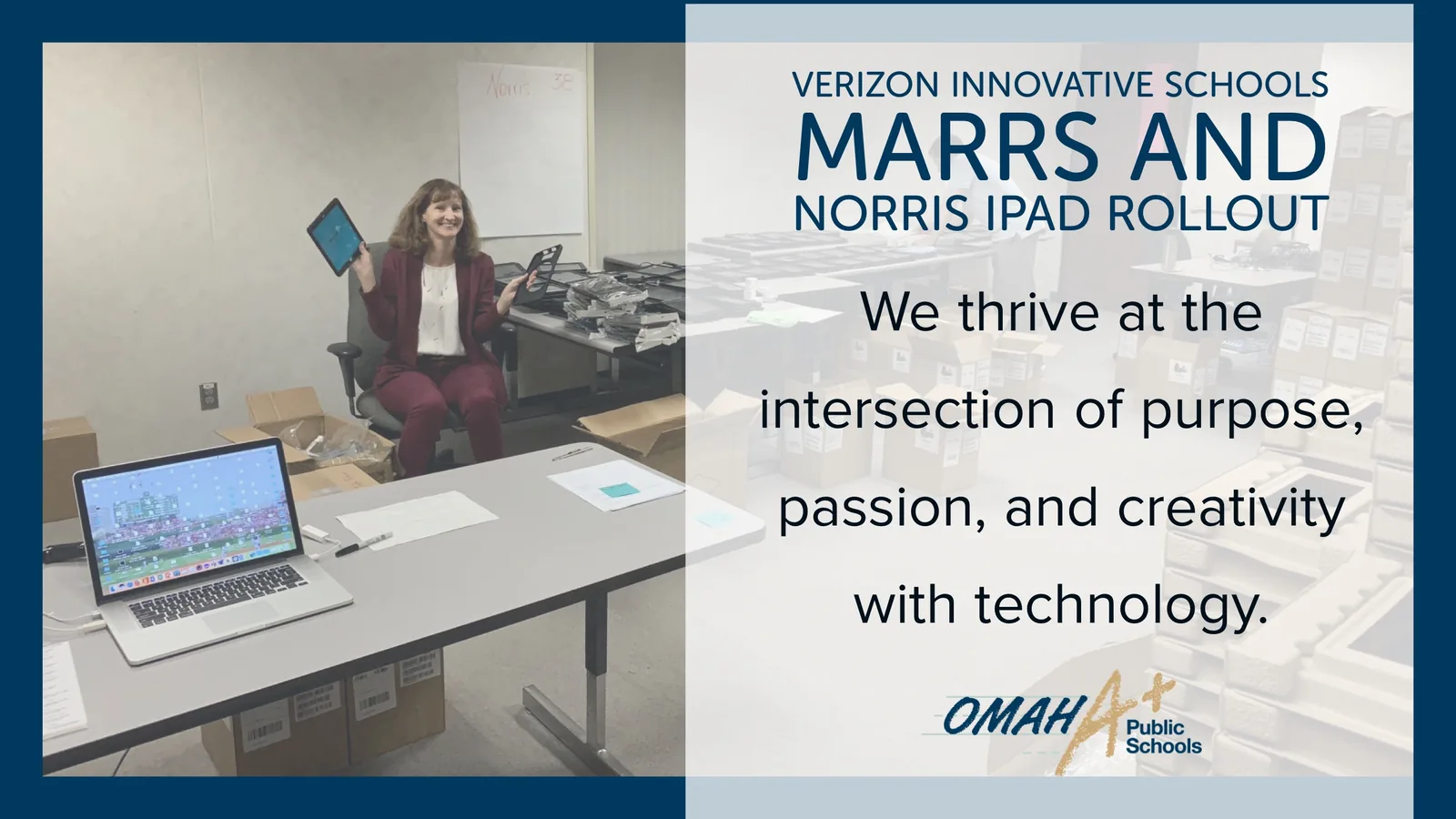
Wendy Taccetta wrote that Marrs and Norris helped bring the national network to 100 schools. Verizon later wrote that the coaching relationships supported the wider district when hybrid learning arrived. That earlier experience showed me the value of a partner that invests in people as seriously as it invests in technology.
Wichita has built on that idea with spaces where students can create, explain, and solve real problems.
Marshall
Marshall went first. I saw that opening as an invitation for students to stop treating technology as something they consume and start using it to create, build, and explain. At Marshall, that connection already appears in the course catalog: its VILS / STEM Lab takes students into circuits, robots, virtual worlds, and 3D printing alongside a broader menu of arts, technology, leadership, and life-skills electives. I like that the lab gives students a concrete chance to follow an interest far enough to make something with it. Wichita Public Schools captured that work with augmented and virtual reality, 3D printing, and AI. It also shows the same partners who later gathered at Brooks: Verizon, Heart of America, and the J. Orin Edson Entrepreneurship + Innovation Institute at Arizona State University.
Curtis
I liked that Curtis entered the story through a board tour and a real district commitment. Board members toured the lab with secondary leaders, then the March 4, 2024 agenda brought the agreements for Coleman, Curtis, and Hamilton before the board after those schools applied through Arizona State University. Marshall was already open. That is how an idea becomes something a school can count on. Curtis frames its work around college, career, and life readiness through an innovative and rigorous educational experience. Robotics, design thinking, coding, and virtual reality give teachers more ways to make that work hands-on and let students test an interest before they leave middle school.
Coleman
At Coleman, I wanted the lab to feel like a working studio. Coleman is an environmental magnet where the garden, bees, rainwater collection, native prairie, and outdoor learning are part of the school day across subjects. The lab can add design thinking, coding, and virtual reality as ways for students to investigate, plan, and communicate about the environmental questions already in front of them.
Hamilton
Hamilton's October 2025 ribbon gave Wichita its fourth lab. By then, I could see the partnership had become a pattern I trusted: Verizon, Heart of America, and ASU's Edson Institute kept showing up with schools, and the work kept moving. Hamilton's mission centers on helping each student reach beyond their circumstances and build a love of learning through high expectations and respect. The lab adds more ways for that curiosity to turn into work students can build, test, and explain. The archived short captures that moment. Brooks made five this week.
The rooms land where they do for a reason. I keep a simple map of how learning should land by age. Elementary is learning by doing. Middle school is skills exploration. High school is skills development. Spaght puts coding in the elementary core. HACK is the high school applied layer in cybersecurity, computer science, and manufacturing. The labs sit in the middle on purpose.
This matters right now. Much of the conversation about educational technology and screen time is negative, and some of that scrutiny is overdue. We cannot lose sight of the technologies that help students and teachers do better work. These labs are a good example: tools that invite students to make, test, and solve instead of sitting back and consuming.
The future of learning calls for more of this. Students learn by doing, and middle school is a powerful time for skills exploration. A lab gives them room to build, test, design, revise, and discover an interest they may not have encountered otherwise. The space lends itself to students creating, explaining, and solving alongside teachers who can ask good questions and keep them going. I am grateful to Verizon, Heart of America, Arizona State University, our educators, and the Wichita community for making that kind of learning more possible.
Sources
Wichita
- KWCH: New technology learning lab opens at Brooks Magnet Middle School
- KSN: Brooks ribbon, Josh Wilbert
- Wichita Public Schools: Marshall lab ribbon
- Hamilton school news: four labs after the October 2025 ribbon
- WPS Hamilton ribbon short, archived
- Wichita Board of Education agenda, March 4, 2024
- Wichita Eagle: 2021 Verizon Innovative Learning Schools launch
- Brooks Center for STEM and Arts Magnet: magnet theme
- Marshall Middle School: academics and activities
- Curtis Middle School: mission and vision
- Coleman Environmental Magnet: magnet theme
- Hamilton Middle School: mission
- Digital Promise: Cohort 5, including Omaha Public Schools
- Wendy Taccetta: Marrs and Norris join Verizon Innovative Learning Schools
- Verizon: Omaha Public Schools coaches and hybrid learning